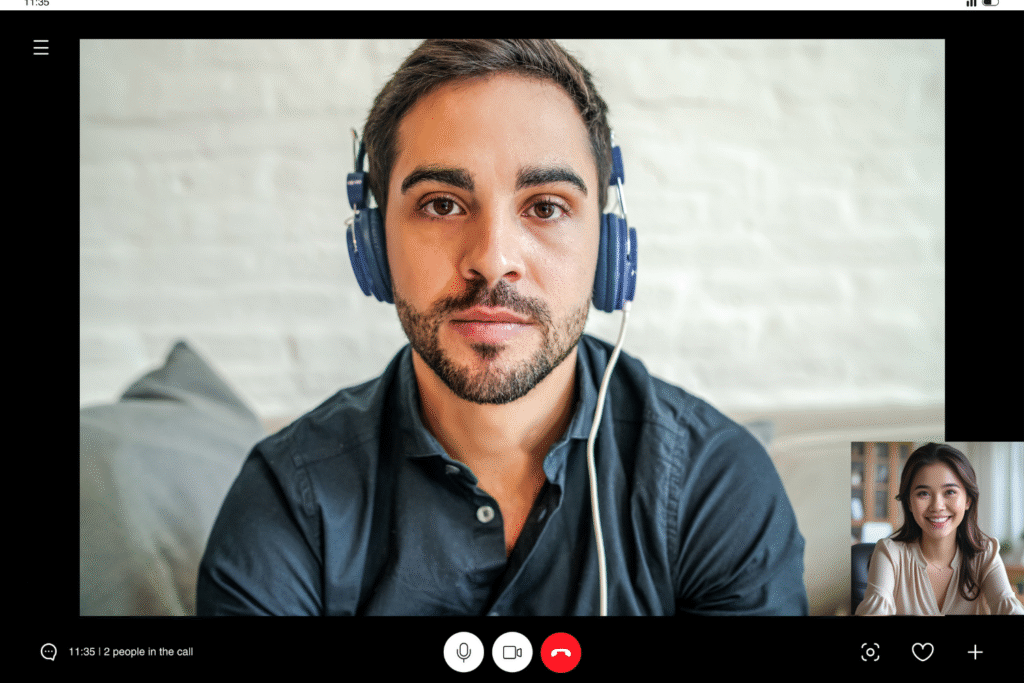

Time expectations alignment is essential when managing Filipino remote teams. Cultural differences around time, like flexible interpretations of deadlines or indirect ways of communicating delays, can lead to misunderstandings that affect trust, project scope, and business objectives. If expectations aren’t communicated properly, tasks may not be completed when expected, leaving both you and other team members confused about progress.
These gaps create stress, slow down projects, and damage relationships. To avoid this, teams need a straightforward process to align expectations, share examples of scheduling preferences, and stay consistent across tasks. Getting everyone on the same page from the start is key to long-term success.

Why Time Expectations Often Get Misaligned
Even with good intentions, expectation alignment can break down when working across cultures. Time-related misunderstandings are common in Filipino teams, especially when communication styles or project goals aren’t clearly defined.
What causes deadline confusion in cross-cultural teams?
Deadline confusion often happens when assumptions replace clear communication. Some team members may believe a task is due “soon,” while others think it’s expected by a specific day. Without a shared idea of what “urgent” means, time expectations quickly drift apart.
This leads to issues where the project scope expands, or the delivery date slips without warning. When expectations aren’t aligned, it affects not just the task but also your ability to lead and meet business objectives.
How Filipino cultural values shape time perception
Many Filipino professionals place strong importance on relationships and teamwork, which may influence how time is perceived in workplace settings. This often means time is seen as adjustable, especially if someone important to the team needs help. A person may delay a task to support another team member without seeing it as a failure.
What’s equally important to understand is that commitment to the group can sometimes take priority over sticking to a tight schedule. This cultural approach can cause gaps in how time is viewed and how deadlines are managed.

Understanding indirect cues about workload and stress
Filipino team members may avoid saying “no” directly, even if a task will stretch their limits. Instead, they might say, “I’ll do my best” or “I’ll try,” which can signal hidden challenges. These indirect cues reflect a desire to keep harmony and avoid disappointing others.
When those signs are missed, it creates gaps in understanding and affects your ability to manage expectations effectively. Not recognizing these signals early on may delay progress and create frustration for both you and other team members.

How to Clearly Communicate Deadlines Across Cultures
To avoid misunderstandings, deadlines must be explained in a way that everyone can follow. This means more than just assigning a date, it’s about ensuring the timeline is understood and agreed upon.
What is the best way to explain time-sensitive tasks?
Time-sensitive tasks should always be explained with clear language, shared timelines, and the reason behind the deadline. It’s not enough to say, “Complete this soon.” Communicate the task, its purpose, and what depends on its completion.
This keeps the project plan on track and helps team members see how their work connects to business objectives. Using exact time zones, priority levels, and expected outputs supports better alignment and builds transparency.
Multi-format deadline templates that actually work
Using multi-format templates helps make expectations clear across languages and time zones. A structured format supports consistency and helps avoid false assumptions, especially in new project discussions.
| Field | Details to Include |
|---|---|
| Project | Project name or task title |
| Deliverable | What needs to be completed |
| Due Date | Day, Date, and Month in both your and the team’s local time |
| Due Time | Specific hour in both time zones |
| Priority Level | Critical, High, Medium, or Low |
| Dependencies | Tasks that must happen first or other team members who rely on this task |
| Buffer Days | Indicate if a cushion is included before the final delivery to the customer |
Why restating deadlines boosts clarity and confidence
Asking team members to restate deadlines in their own words ensures they understand what’s expected. This approach reveals hidden gaps in understanding that might otherwise go unnoticed.
It also gives them a chance to raise questions, which is especially helpful for those who may be too shy to speak up. When expectations are clearly restated, both you and your team build confidence in the process and avoid confusion in the long run.

Creating Systems That Reinforce Time Clarity
Time expectations alignment should not rely only on one conversation. Instead, systems must support ongoing clarity so all the work stays on track across time zones.
Tools for time zone conversions and scheduling
Time zone mismatches often create problems when meetings and task deadlines aren’t communicated properly. A few smart tools can make scheduling across regions simple and efficient.
Helpful tools for scheduling across time zones:
- World Time Buddy: See team availability at a glance.
- Google Calendar (with time zone view): Schedule meetings that show both local and remote times.
- Timezone.io: Easily view overlapping working hours for global teams.
- Time.is: Quickly check current times and daylight saving shifts.
- Outlook Time Zone Feature: Great for aligning calendars across large teams.
Using visual trackers for shared deadlines
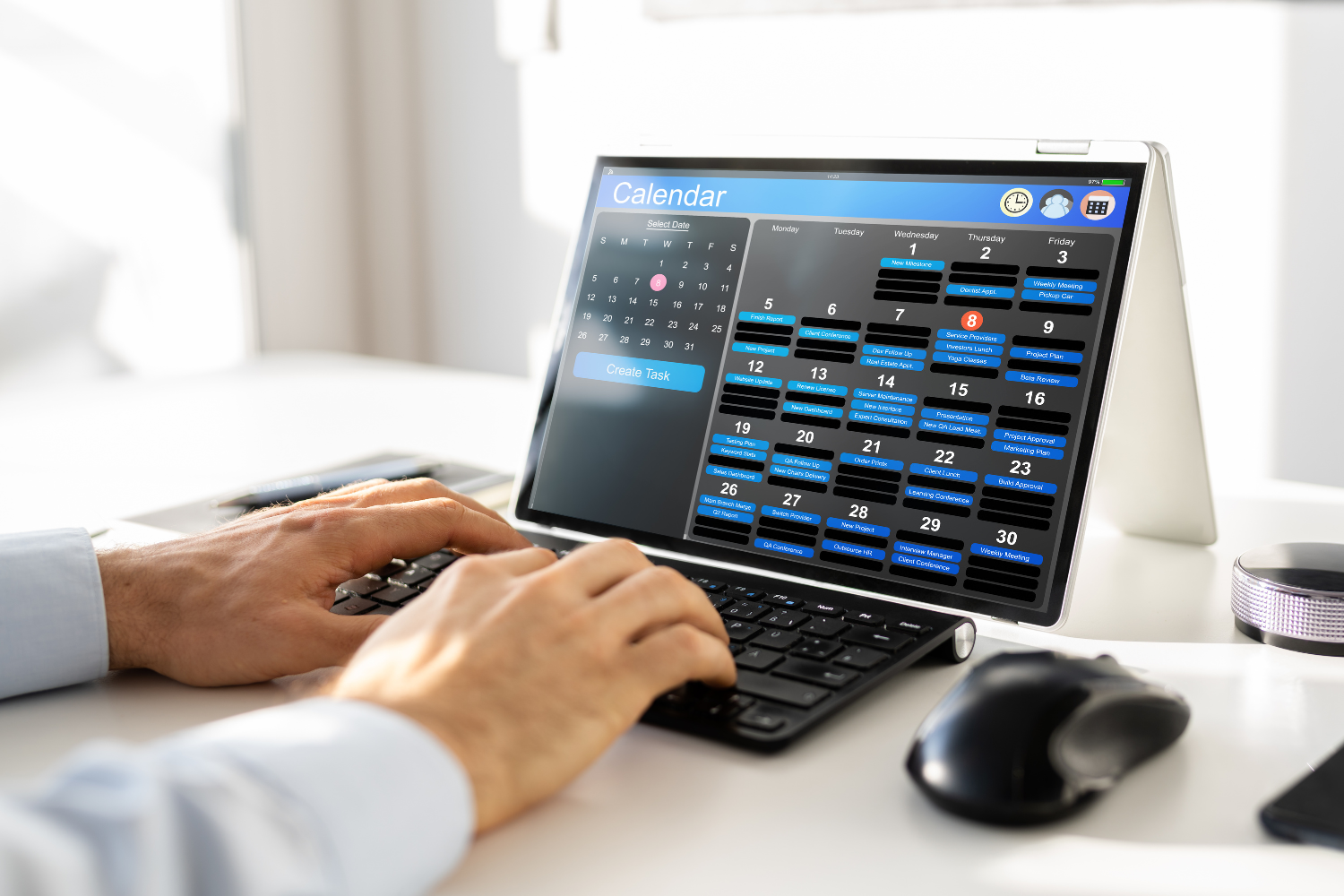
Visual trackers help everyone stay aligned on what’s due and when. Unlike long message threads, a shared visual board makes it easy to see task status and deadlines at a glance.
This promotes accountability and allows stakeholders to check progress without repeated reminders. Tools like Trello, ClickUp, or Asana let you color-code priorities and tag team members, keeping the whole team focused on what’s expected.
Should you build in buffer days for Filipino teams?
Yes. Buffer days can support smoother delivery in distributed teams where time flexibility is valued. They give room for unexpected delays, questions, or tech issues without disrupting the customer timeline.
Adding a one- or two-day cushion helps both you and the team stay calm under pressure. It also supports change management if the scope shifts or additional work is involved. In the long run, this flexibility protects both project quality and relationships.
Building Accountability Without Micromanaging
Teams work better when expectations are clear, and accountability feels fair. You don’t need to watch every move. Instead, strong systems and consistent communication help team members stay focused while feeling trusted.
How to check progress without causing friction
Progress checks should feel like support, not pressure. Asking for updates in a neutral, consistent way helps avoid misunderstandings without disrupting the team’s flow. Keep questions centered on tasks, not people.
This keeps the focus on what’s happening rather than who’s at fault. Progress conversations should connect to the project scope and business objectives, making sure the team knows how their work fits into the bigger picture.
Sample check-in systems that respect autonomy
Respectful check-ins build trust while helping the team stay on the same page. Choose methods that don’t feel like surveillance but still give access to what’s going on.
Effective systems for expectation alignment:
- Weekly Asynchronous Updates: Team members post status updates on Slack or Trello every Friday.
- Midweek Progress Boards: Use a shared board in ClickUp to track task progress without direct messages.
- Optional Daily Stand-Ups: Quick 5-minute calls for fast-moving projects that need tighter tracking.
- One-on-One Goal Reviews: Monthly check-ins to talk about alignment, progress, and upcoming projects.
- Project Handover Notes: Used when shifting between time zones to keep momentum steady.
How to confirm understanding without being overbearing
Clarity checks work best when framed as support. Instead of asking, “Do you understand?” ask the person to walk through how they’ll complete the task. This shifts the focus to the process, making it easier to spot gaps early.
It also shows that the task is vital without putting pressure on the person. With new project assignments, this step helps confirm that expectations have been communicated properly and keeps the whole team aligned.
Responding to Missed Deadlines the Right Way
Missed deadlines can happen, even with a solid project plan. The way you respond can either rebuild trust or cause long-term tension. A calm, clear approach leads to better outcomes.
What to say when expectations aren’t met
When a task falls behind, start the conversation with curiosity, not blame. Ask what happened and what support the person needs. This keeps the conversation grounded in the job and avoids turning it into a personal issue.
Focus on the original task, how the delay affects other team members, and what steps are needed to move forward. Reconfirm the new deadline and make sure everyone involved is on the same page.
Turning delays into learning moments
Instead of focusing only on what went wrong, shift the conversation toward what can improve in the future. Was the scope too wide? Did the person have access to everything needed? Was the time estimate realistic?
These questions open space for honest feedback and help manage expectations better in the next round. This also gives your team the ability to speak up early when something’s off.
How to use feedback without causing shame or blame
In Filipino culture, public correction often causes embarrassment. Use private channels and frame feedback around shared goals. A strong feedback process shows respect and builds relationships.
Keep the tone neutral, and connect feedback to how things can improve for the team, the customer, or the company. This shows commitment to the person’s growth without putting their dignity at risk.

Real-World Examples of Aligned Time Practices
Good systems for time expectations alignment aren’t just theories, they work in real teams. These examples show how structure, communication, and shared tools make a difference across cultures.
How a “three-touch” deadline system improved delivery
One consulting team added a three-touch system: initial deadline assignment, verbal confirmation, and a mid-point progress check. This process helped clarify deliverables and gave team members space to raise challenges early. According to internal feedback, teams reported fewer surprises and smoother handoffs.
Buffer planning from U.S. teams that actually worked
A U.S.-based marketing company working with Filipino designers added two extra days to each deliverable inside the project plan. Although the client deadlines stayed the same, this internal shift gave room for feedback and adjustments without stress. The buffer also helped smooth out timezone delays and improved the team’s ability to respond to last-minute customer changes.
Case studies of how clear time alignment built trust
In one software firm, clear time alignment led to faster project turnaround and stronger team relationships. The team created shared time tracking sheets, held regular one-on-ones, and allowed each person to express their preferences for working hours.
This process helped each team member feel heard, reduced assumptions, and improved transparency across all the work. The team reported stronger collaboration and fewer misunderstandings after aligning expectations around working hours and deliverables.
Aligning Time to Build Long-Term Trust
Time expectations alignment is more than a project management skill, it’s a foundation for long-term trust in remote teams. When expectations are aligned from the start, teams develop a shared rhythm, complete tasks with clarity, and avoid confusion that affects progress.
It’s not just about getting the work done; it’s about clear communication, mutual respect, and staying aligned with business objectives. As you create systems, adjust to cultural preferences, and improve transparency, your team builds a stronger sense of commitment and collaboration for the future.
Frequently Asked Questions
How do Filipinos perceive deadlines differently than Western teams?
Filipino teams may see deadlines as flexible when relationships or unforeseen events take priority.
What’s the best way to avoid missed deadlines with offshore teams?
Use multi-step confirmation and clear deadline templates to align expectations from the start.
Should I build extra time into project deadlines with Filipino workers?
In many cases, adding buffer days can improve delivery reliability and provide flexibility when scope changes.
How do I ask about progress without sounding too strict?
Ask process-based questions like “What step are you working on now?” to keep the tone supportive.
What tools help with time zone and scheduling issues in remote teams?
World Time Buddy, Google Calendar with time zones, and Slack scheduling features all help manage time clearly.
References
- Department of Science and Technology (DOST) Philippines. (2024). DOST moves for a culture of responsible time management through ‘Oras Pinas’. https://www.dost.gov.ph/knowledge-resources/news/84-2024-news/3869-dost-moves-for-a-culture-of-responsible-time-management-through-oras-pinas.html
- Harvard Business Review. (2022). What Great Remote Managers Do Differently. https://hbr.org/2022/10/what-great-remote-managers-do-differently
- International Labour Organization. (n.d.). Decent work in the Philippines. https://www.ilo.org/regions-and-countries/asia-and-pacific/philippines/decent-work-philippines
- Manila Recruitment. (2024). Filipino Business Culture: Etiquette and 5 Key Practices. https://manilarecruitment.com/manila-recruitment-articles-advice/filipino-business-culture/
- Philippine Statistics Authority. (2024). Integrated Survey on Labor and Employment. https://psa.gov.ph/statistics/isle