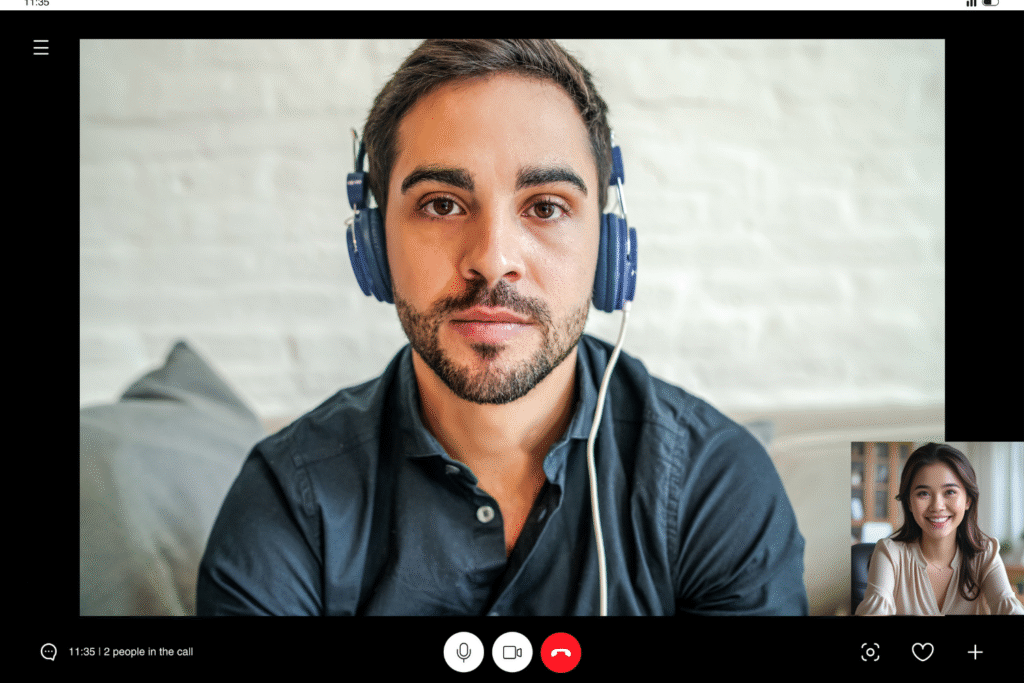

Strong work relationships are the foundation of success when leading Filipino remote teams. In Filipino work culture, trust and personal connection often come before tasks. While some managers focus only on deadlines and output, that approach can lead to miscommunication or missed expectations.
This guide shares practical relationship-building tips that help you earn trust, foster collaboration, and create stronger connections with Filipino professionals—whether you’re managing offshore, hiring remotely, or working across cultures.
Why Relationships Matter More Than You Think
Getting work done isn’t just about tools and timelines. In the Philippines, it starts with trust and personal connection.
How personal connection drives productivity
Filipino professionals may be more engaged and loyal when they feel genuinely valued, especially in supportive work environments. Building trust early helps team members feel safe sharing ideas, asking questions, and taking initiative. It leads to fewer misunderstandings and better team collaboration, especially in remote or offshore setups. Strong relationships create the foundation for consistent, reliable performance.
Filipino values that prioritize harmony and trust
Cultural values in the Philippines shape how people approach work and communication. Understanding these values helps you build the kind of trust that supports long-term success.
- Kapwa (shared identity): Focuses on group unity and mutual respect.
- Pakikisama (getting along): Avoids conflict to keep relationships smooth.
- Hiya (saving face): Protects dignity and avoids public embarrassment.
- Utang na Loob (debt of gratitude): Builds deep loyalty when people feel supported.
- Paggalang (respect): Values hierarchy and politeness, especially toward authority.
- Family-first mindset: Puts family stability at the center of work decisions.
What happens when relationship-building is skipped
Skipping the relationship part often leads to quiet misunderstandings. Team members may agree to tasks without fully understanding them or avoid sharing problems to keep the peace. Over time, this can slow down projects, reduce initiative, and cause turnover. Investing early in relationship building helps avoid these breakdowns and creates a more dependable remote team.

What Cultural Habits Support Relationship Building?
Knowing what strengthens relationships in Filipino work culture helps you lead better and avoid confusion.
Importance of casual conversation and kamustahan
Starting conversations with a quick “kamusta?” or asking about someone’s day builds familiarity and trust. It’s more than small talk—it shows genuine care and makes daily work feel less transactional. These personal check-ins help create an environment where people feel seen, not just managed.
Respectful communication and emotional awareness
Tone matters. Filipinos are sensitive to criticism, especially in public. Using kind, respectful language—even when giving feedback—keeps the conversation productive. Paying attention to how something is said, not just what is said, builds emotional safety and keeps the door open for honest discussions.
Group unity over individual spotlight
Filipino professionals often focus on the team’s success over personal praise. They may avoid standing out or competing with others in public settings. Sharing wins as group achievements and showing appreciation for teamwork aligns better with their values than singling out one person repeatedly.

How to Start Strong When Onboarding Filipino Team Members
First impressions shape trust. Setting the tone with relationship-building from day one can improve retention and engagement.
Include personal intros and cultural exchange
Start by letting everyone introduce themselves beyond their job titles. Encourage people to share where they’re from, their hobbies, or even their favorite local food. Sharing simple cultural facts about your team’s home countries helps everyone feel more connected and valued.
Start with light, non-task meetings
In the first week, add short video calls focused on getting to know each other instead of diving straight into tasks. These can include games, fun prompts, or open chats. This small step builds trust and helps ease into more formal team responsibilities.
Assign a “buddy” for informal guidance
Pair each new team member with a friendly peer who can answer casual questions, explain company habits, and provide support. A buddy helps them adjust faster and feel more confident asking questions they might hesitate to bring up with a manager. This boosts engagement and reduces the chance of early confusion.
Simple Daily Practices That Build Connection Over Time
Small, thoughtful actions can make a big difference in how Filipino team members feel about their work environment. These relationship-building tips help create a stronger sense of trust day by day.
Begin meetings with personal check-ins
Starting meetings with a simple question like “What was a highlight of your week?” helps set a friendly tone. It shows that work isn’t the only priority and gives everyone a chance to speak up. This builds connections over time and helps people feel more comfortable during work discussions.
Celebrate birthdays and family milestones
Acknowledging someone’s birthday, a child’s graduation, or a family celebration means a lot in Filipino culture. These moments reflect how much you value the person, not just their output. Small gestures like a message or virtual card are often appreciated and may contribute to team morale and engagement.
Share appreciation—both privately and publicly
Praise matters more when it feels sincere and thoughtful. A private thank-you can make someone feel recognized, while public appreciation during team meetings reinforces shared success. Just make sure the tone fits—some Filipino professionals prefer praise that also acknowledges the team effort behind it.

How to Strengthen Bonds Without Being Overbearing
Building strong work relationships doesn’t mean forcing connection. There are simple ways to create space for interaction without adding pressure.
Create low-pressure spaces for conversation
Open-ended conversations outside of project updates help build comfort. Use casual prompts like “What’s something fun you did last weekend?” or “Have you tried any good food lately?” These quick check-ins create a relaxed setting where people feel safe sharing bits of their lives.
Use Slack channels for hobbies, photos, or local culture
Dedicated chat spaces for things like pets, travel, or music help your team bond around shared interests. Channels focused on Filipino food or cultural events also give your team space to share their roots and connect with others in a fun, low-stakes way. These work well for offshore relationship building and help reduce the distance that remote setups can create.
Schedule optional socials that respect time zones
Virtual team games or coffee chats should be fun—not an obligation. Keeping them optional and rotating time slots shows respect for everyone’s schedule. These events tend to be more effective when they feel like a break rather than an obligation. Even short, monthly hangouts can improve team spirit without causing burnout.
How to Balance Task Focus With Relationship Time
Building relationships doesn’t have to slow down work. The right balance can actually help teams become more productive and engaged.
Combine agenda items with personal sharing
Adding a short personal round at the start or end of a meeting gives space for connection without losing focus. A quick question or highlight helps warm up the group and makes task updates feel less rigid. It’s a simple way to blend relationship-building into everyday routines.
Use a structured team meeting template
A clear meeting format helps balance both goals and relationships. Start with check-ins, then cover updates, blockers, and next steps. Having space for both business and bonding helps teams stay on track while still feeling connected. This structure works well for managing remote or offshore team members.
Encourage humor, warmth, and small talk
A friendly tone makes communication easier and less formal. Jokes, emojis, or short personal stories bring warmth to team chats and meetings. These light moments strengthen relationships and reduce tension, especially when work gets busy. They’re small but powerful steps toward better team connection.
Real-World Examples of Relationship-First Leadership
Some of the best relationship-building tips come from leaders who made it part of their daily habits. These examples show how simple actions can lead to stronger trust, better teamwork, and more reliable results.
A small firm builds trust with regular 1:1 check-ins
A startup founder managing a Filipino offshore team began setting up weekly one-on-one video calls with each team member. These weren’t performance reviews—they focused on how each person was doing and what support they needed. Over time, team members opened up more, raised issues earlier, and started sharing new ideas without waiting to be asked.
How remote socials improved collaboration rates
A digital agency noticed that their Filipino team members were quiet during project meetings. They introduced short, optional social hangouts once a month using games and casual chat prompts. After just two sessions, participation in brainstorming meetings went up, and team members started volunteering more feedback on client work.
The impact of peer recognition on morale
One marketing team launched a peer recognition program where employees could nominate each other for monthly shoutouts. Filipino team members began using the system to thank coworkers for behind-the-scenes help. Team members reported improved morale, and the practice contributed to a more inclusive atmosphere.
Tools That Make Remote Relationship Building Easier
You don’t need to reinvent the wheel to connect with your team. These tools support consistent, fun, and low-pressure ways to build stronger working relationships—even across time zones.
Team-building apps and games
Interactive tools keep things light and help team members get to know each other outside of work. These can be added to regular meetings or used during monthly socials.
- Kahoot – Create fun quizzes about team trivia or pop culture.
- Donut – Pairs teammates randomly for casual virtual coffee chats.
- QuizBreaker – Weekly icebreaker games sent through Slack.
- Skribbl.io – A drawing and guessing game that works well in remote teams.
- Jackbox Games – Group party games perfect for video calls.
Shared playlists, photo boards, and virtual lounges
Letting people share their interests outside of work creates natural connection points. Shared playlists help everyone contribute their favorite songs, while photo boards give team members a chance to show off their hometowns, pets, or daily lives. Virtual lounges, like always-open Zoom rooms or apps like Gather, offer space to drop in and chat during breaks.
Recognition tools like Bonusly or Kudos
Recognition tools can support team appreciation with points, badges, or shoutouts and strengthen positive feedback habits. These systems are easy to set up and can be tied to small rewards or team-wide praise.
- Bonusly – Lets team members give each other points with a short message of appreciation.
- Kudos – Offers values-based recognition and peer celebrations.
- Mo – A social-style feed where people can publicly celebrate wins.
- 15Five High Fives – Integrates recognition into regular check-ins and performance tools.
- HeyTaco! – A Slack-based tool where team members give virtual tacos as thanks.

Build Trust Before You Need It
Strong relationships often play a key role in successful collaboration with Filipino professionals, especially in remote or offshore setups. Even small habits—like casual check-ins, team recognition, or celebrating milestones—can lead to stronger loyalty and better results over time. Making space for connection isn’t a distraction from work; it’s a key part of building a team that collaborates well and sticks together when challenges arise.
Frequently Asked Questions
What’s the best way to start building rapport with a Filipino team member?
Begin with a warm personal check-in and show genuine interest in their background.
How important is small talk in Filipino work culture?
Very important—it helps build trust and comfort before diving into tasks.
Should I ask about family or keep things strictly professional?
Asking about family is welcome and shows care, as long as it’s respectful.
What virtual activities work well for bonding?
Games, shared playlists, and casual video chats help build stronger team connections.
How do I know if my relationship-building efforts are working?
Look for more open communication, faster collaboration, and higher engagement over time.
References
- Cakula, S., & Pratt, M. (2021). Communication technologies in a remote workplace. Baltic Journal of Modern Computing, 9(2), 181–190. https://doi.org/10.22364/bjmc.2021.9.2.05
- Ghar, S. (2024, July). The impact of remote work on team collaboration and communication (Doctoral thesis, Shree Ramkrishna Institute of Science and Technology, Kolkata). https://doi.org/10.13140/RG.2.2.10221.40169
- Labor Law PH. (2025). Telecommuting. https://laborlaw.ph/telecommuting/
- LawPhil. (2018). Republic Act No. 11165. https://lawphil.net/statutes/repacts/ra2018/ra_11165_2018.html
- National Commission for Culture and the Arts. (n.d.). a study on filipino values. https://ncca.gov.ph/wp-content/uploads/2021/04/Fil.-Values-Primer-English.pdf
- SHRM. (2024). The Role of Recognition Programs in Employee Retention Strategies. https://www.shrm.org/in/topics-tools/news/blogs/recognition-programs-retention-employees