
Monthly quality meetings drive continuous improvement, solve quality issues, and keep your team focused on progress. With the right quality meeting format, you can save time, boost accountability, and create a clear structure that supports effective decision-making.
This article walks through a practical meeting agenda built for offshore teams, covering how to review previous meeting’s minutes, track quality metrics, and plan corrective actions. You’ll also get tips on recording key points, capturing action items, and keeping an official record of what was discussed. Whether you’re leading board meetings or internal team sessions, this format is designed to help teams stay focused, manage time better, and prepare more effectively for upcoming meetings.
Why Monthly Quality Meetings Matter in Offshore Teams
Quality meetings allow offshore teams to stay aligned, improve processes, and solve current issues. A clear format helps make the most of the meeting time and keeps everyone focused on what matters.
Aligning Team Focus and Continuous Improvement
Monthly meetings help offshore teams stay focused on shared goals by reviewing key elements like quality metrics, action points, and progress since the previous meeting. Discussing ongoing tasks and current issues allows the team to identify gaps, talk through problems, and agree on solutions.
This discussion can support continuous improvement and reduce the need for separate follow-up meetings on smaller issues. It also gives participants a clear structure to follow, making it easier to track what’s working and what needs to change.
Building Accountability Without Micromanagement
A well-structured quality meeting format promotes accountability without making people feel watched. Assigning action items to specific team members and documenting them in the meeting notes or minutes makes it easy to follow up later.
This system supports task progress and helps clarify each person’s role in improving quality. Instead of checking every small task, you lead through clear objectives, written records, and regular check-ins that build trust and responsibility.
Encouraging Team Input in a Culturally Safe Way
Offshore teams, especially in Filipino cultures, respond best when meetings feel safe and respectful. To get honest input, the meeting agenda should include time for open discussion, idea sharing, and identifying quality issues as a group.
Using simple agenda topics and rotating who leads each agenda item can give junior team members a voice without putting them on the spot. This approach helps teams improve while respecting local work culture and communication styles.

Common Mistakes in Monthly Quality Meetings
Running effective quality assurance meetings takes more than just sticking to a schedule. Avoiding common meeting problems can help your team make better use of each session.
Overloading the Agenda With Too Many Topics
Trying to cover too much in one meeting leaves less time to focus on key points. Lengthy discussions on old business, new business, and every minor issue can lead to rushed decisions or skipped topics.
To keep things productive, choose a clear meeting objective, limit agenda items to what’s most important, and leave time for discussion and follow-ups. A focused meeting can save time and support clearer decision-making.
Not Giving Junior Staff Space to Contribute
When directors or senior team members lead every discussion, junior staff may stay quiet, even when they have good ideas. Skipping their input means missing helpful feedback on tasks, quality issues, or improvements.
To fix this, invite input directly, assign agenda topics across roles, and review meeting notes as a group. This shows that every voice matters and builds a stronger quality-focused culture.
Turning the Meeting Into a Performance Review
Monthly meetings should focus on improving systems, not judging people. Shifting the conversation toward personal mistakes or pointing fingers can make the room feel tense and stop real discussion.
A better approach is to use quality metrics and written records to review processes, not individuals. Keep the meeting’s purpose on improvement and save performance reviews for private, one-on-one sessions.
Ignoring Follow-Through on Action Items
If no one checks the previous meeting’s minutes or tracks progress on tasks, your meetings lose value. Skipping follow-ups means decisions don’t lead to action, and the same problems keep returning.
To keep your meetings effective, review each action point, update the status of tasks, and prepare for the next meeting using the same meeting minutes template. This consistent process builds momentum and ensures results.

Recommended Format for Monthly Quality Meetings
A consistent quality meeting format helps remote teams stay organized, focused, and productive. The structure should support clear outcomes, active discussion, and a written record of progress.
Total Time: 60–90 Minutes (Ideal for Remote Teams)
A meeting that runs 60 to 90 minutes gives enough time to cover essential details without dragging on. This window allows for meaningful discussion of agenda topics, review of the previous meeting’s minutes, and planning for the next meeting.
It balances attention span and participation, which is important when managing teams across different time zones. In many cases, meetings that exceed 90 minutes risk losing focus, while shorter sessions may leave key topics unresolved.
Participant Count: 4–8 Team Members
Keeping the group small—between four and eight participants—makes it easier to manage the discussion and include all voices. Smaller teams can move through agenda items faster, stay focused on the meeting objective, and reduce side conversations. It also gives each person space to speak and take ownership of quality issues, which helps build engagement without taking significant time away from daily tasks.
Meeting Structure: Mix of Discussion and Documentation
A strong meeting format includes a balance of real-time discussion and written documentation. Use the agenda to guide the flow and assign someone to take meeting minutes.
This helps capture key points, action items, and any decisions made. A written record lets participants review later, identify what was discussed, and stay aligned on progress. It also ensures accountability between meetings.
Rotation of Facilitator Roles to Build Ownership
Rotating who leads each meeting keeps the format fresh and helps team members build leadership skills. When different people manage the agenda, guide the discussion, and track time, they take more ownership of the outcomes.
This approach may encourage broader participation and balance speaking roles. Sharing this responsibility supports a stronger team process and leads to better meeting outcomes over time.

Quality Meeting Agenda Template
A consistent meeting agenda helps you stay on track, cover key elements, and manage time well. This format ensures all topics are addressed while giving space for input and planning.
Opening & Relationship Check-In (10 Minutes)
Start each quality meeting with a quick check-in. This helps set the tone and creates space for participants to reconnect before diving into business.
Light conversation and recognition of recent efforts help build team rapport, especially in remote settings. It also eases junior team members into the meeting and encourages open discussion later.
Review of Past Action Items and Metrics (15 Minutes)
Next, go over the action points from the previous meeting and check the current quality metrics. This review shows what’s been done, where the team is now, and what still needs work.
It provides a clear starting point and helps keep everyone accountable. Discuss any delayed or incomplete items, and confirm who is handling each task.
Discussion of Recent Trends, Issues, or Wins (20 Minutes)
Spend time reviewing what’s changed since the last meeting. This includes new problems, patterns in performance, or recent wins worth celebrating.
Discussing these topics helps surface key decisions that need to be made and shows where the team is improving. Encourage input from all participants and identify any areas that need more focus.
Brainstorming Quality Improvements (30 Minutes)
Use this time to focus on problem-solving and process improvements. Invite ideas that can help with implementing corrective actions or avoiding recurring issues.
Use a visual aid if possible, and let each person suggest ways to improve current systems. This part of the meeting supports continuous improvement and helps connect people to the bigger goals.
Action Plan Review and Next Steps (10 Minutes)
Before closing the meeting, review all action items, confirm who is responsible, and agree on deadlines. Make sure the tasks are clear and linked to the meeting objective.
Write down every task discussed in the meeting notes so there’s a clear record to use later. This step helps the team stay on track until the next meeting.
Closing Recognition and Next Meeting Date (5 Minutes)
End the meeting with positive feedback and set the date for the next meeting. Recognize good input, highlight specific contributions, and leave on a supportive note.
Also, confirm that the meeting minutes will be shared so participants have a written record of what was discussed, what decisions were made, and what to expect moving forward.

Tools That Help You Run Great Quality Meetings
Using the right tools can support more effective and easier-to-manage quality assurance meetings. These tools support structure, participation, and follow-through.
Video Call Platforms With Breakout Room Capability
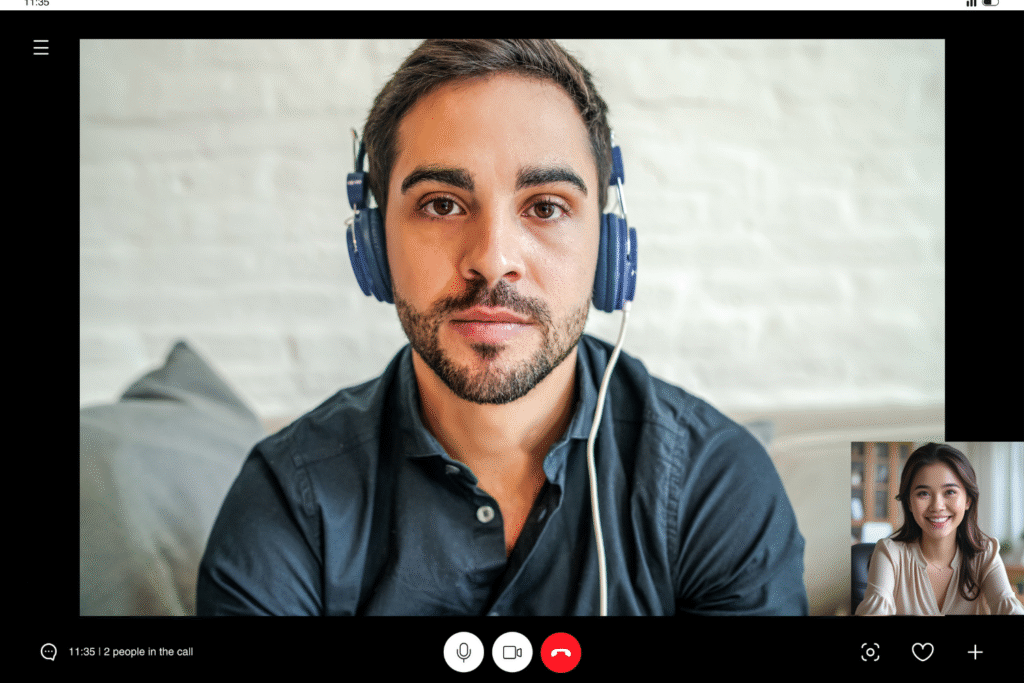
Tools like Zoom or Microsoft Teams allow teams to split into smaller breakout rooms. This setup works well for group brainstorming or solving specific quality issues in smaller groups. Breakout rooms help participants feel more comfortable sharing ideas, especially in larger meetings or cross-level teams.
Shared Notion or Google Docs Agenda
A shared agenda helps all attendees prepare in advance. Notion or Google Docs lets the team add items, review agenda topics, and take meeting notes in real time. This saves time and ensures that the structure is clear. It also keeps the meeting objective in front of everyone and creates an editable written record.
Visual Boards Like Miro or Jamboard for Brainstorming
During brainstorming sessions, visual tools help track ideas and organize them into action points. Miro or Jamboard allows real-time input so participants can visually add suggestions and group-related tasks. This makes the discussion more interactive and improves the quality of ideas shared.
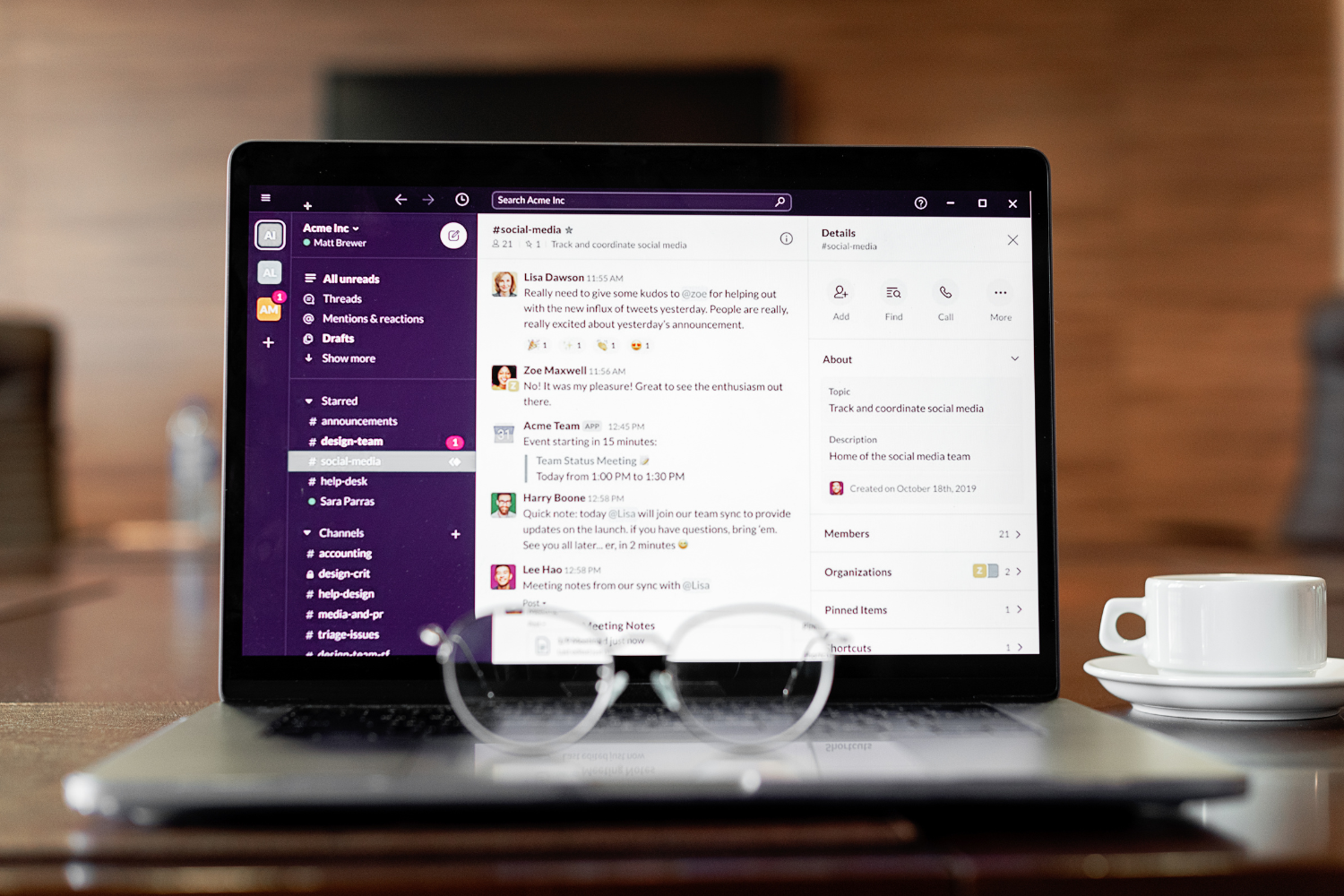
Slack or Teams Follow-Up Thread for Accountability
After the meeting, use a follow-up thread in Slack or Microsoft Teams to review the meeting minutes and track tasks. This helps confirm action items and provides a space for updates between meetings. It also serves as a backup record, making it easier to review what was discussed and what still needs follow-up.
Tips for Making Meetings More Engaging
A productive quality meeting doesn’t need to be boring. With a few small changes, you can make the discussion feel more natural, inclusive, and focused on the people in the room—not just the process.
Use Warm-Up Questions to Ease Into Serious Topics
Starting with a warm-up helps set the tone and gives attendees a chance to speak early, which encourages more input later. These short questions make the meeting feel less formal and help participants settle in before discussing quality issues, tasks, or the decision-making process.
Here are useful warm-up questions:
- What was one win you had this week?
- What’s something that made you smile recently?
- If you could improve one small process, what would it be?
- What’s one thing that helped your productivity this month?
- What’s one tool or task that’s been harder than expected?
Acknowledge Contributions by Name
Recognizing people during the meeting motivates the team and keeps them engaged. Calling out specific input—such as quality metrics shared, action points completed, or thoughtful comments—builds confidence and shows that participation matters. This also helps create a culture where contributions are noticed, recorded in meeting minutes and followed up on during the next meeting.
Encourage Written Input for Shy Team Members
Some team members may hesitate to speak, especially in remote board meetings or group discussions. Giving the option to share input in the shared agenda or meeting notes allows everyone to participate. Written feedback also makes it easier to track progress, follow up, and include all voices in the official record—even when they don’t speak out loud.
Celebrate Small Wins and Process Improvements
Recognizing small wins helps maintain energy and shows that improvement is ongoing. Use part of the meeting to highlight small process improvements, completed tasks, or successful changes discussed in the previous meeting. Celebrating progress builds momentum and shows the team their work is moving things forward.

A Quality Meeting Format That Builds Culture
Using a structured, inclusive quality meeting format helps your team stay aligned and improve without adding extra stress. Focus on key elements like discussion, documentation, and action items to keep each session meaningful.
A clear agenda, shared meeting minutes, and space for all voices ensure your offshore team stays on track. Quality meetings can help improve processes and contribute to a stronger team culture over time.
Frequently Asked Questions
What should be on a monthly quality meeting agenda?
Include the previous meeting’s minutes, progress on action items, current quality issues, improvement ideas, corrective actions, and next steps.
How long should a quality meeting last?
Aim for 60 to 90 minutes to allow enough time for review, discussion, and planning without losing focus.
What makes a good facilitator for a team meeting?
Someone who keeps the meeting objective clear, invites input from all attendees, and stays focused on the agenda topics.
Can junior members lead or contribute to these meetings?
Yes, junior members can lead agenda items or share ideas, especially in a safe and structured environment.
What tools help run virtual quality meetings smoothly?
Use video calls with breakout rooms, shared agendas in Google Docs, visual boards for brainstorming, and Slack or Teams for follow-ups.
References
- Indeed. (2025). What Is Quality Assurance? (And How Does It Work?). https://ca.indeed.com/career-advice/career-development/what-is-quality-assurance
- Manila Recruitment. (2024). Filipino Business Culture: Etiquette and 5 Key Practices. https://manilarecruitment.com/manila-recruitment-articles-advice/filipino-business-culture/
- National Institute of Standards and Technology. (2018). Baldrige Excellence Framework (Business/Nonprofit). https://www.nist.gov/baldrige/publications/baldrige-excellence-framework/businessnonprofit
- Slack. (2024). How to write corporate meeting minutes. https://slack.com/blog/productivity/how-to-write-corporate-meeting-minutes
- Society for Human Resource Management. (2023). The State of Global Workplace Culture in 2023. https://www.shrm.org/content/dam/en/shrm/topics-tools/news/230452_Research2023_SHRM_Global-Culture-Report_FINAL.pdf
- Zapier. (2025). Slack vs. Teams: Which should your business use? [2025]. https://zapier.com/blog/slack-vs-microsoft-teams/