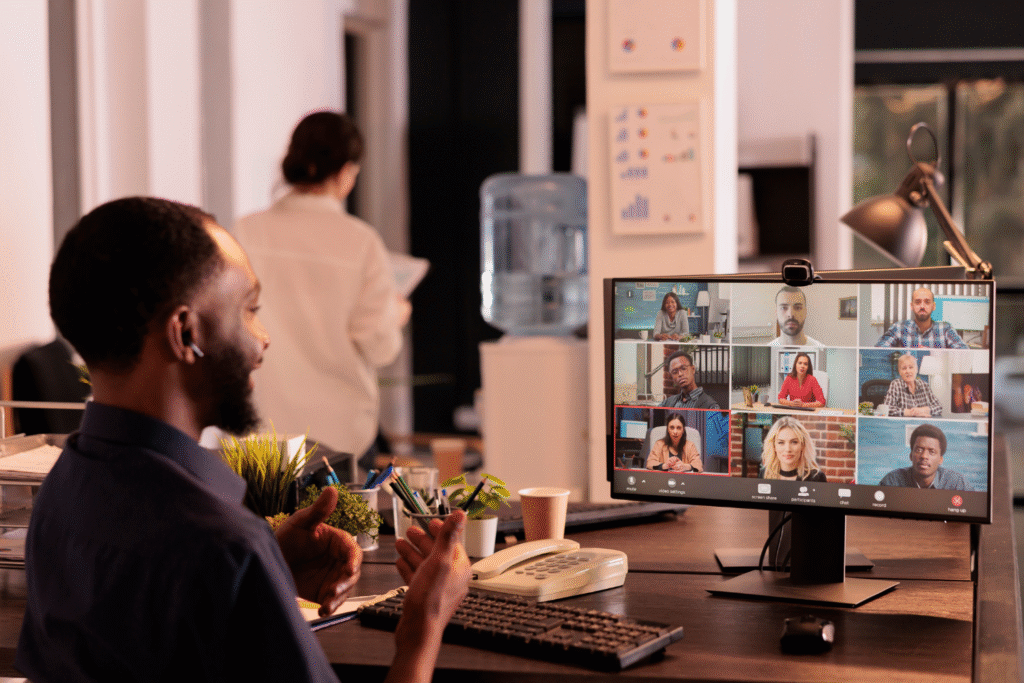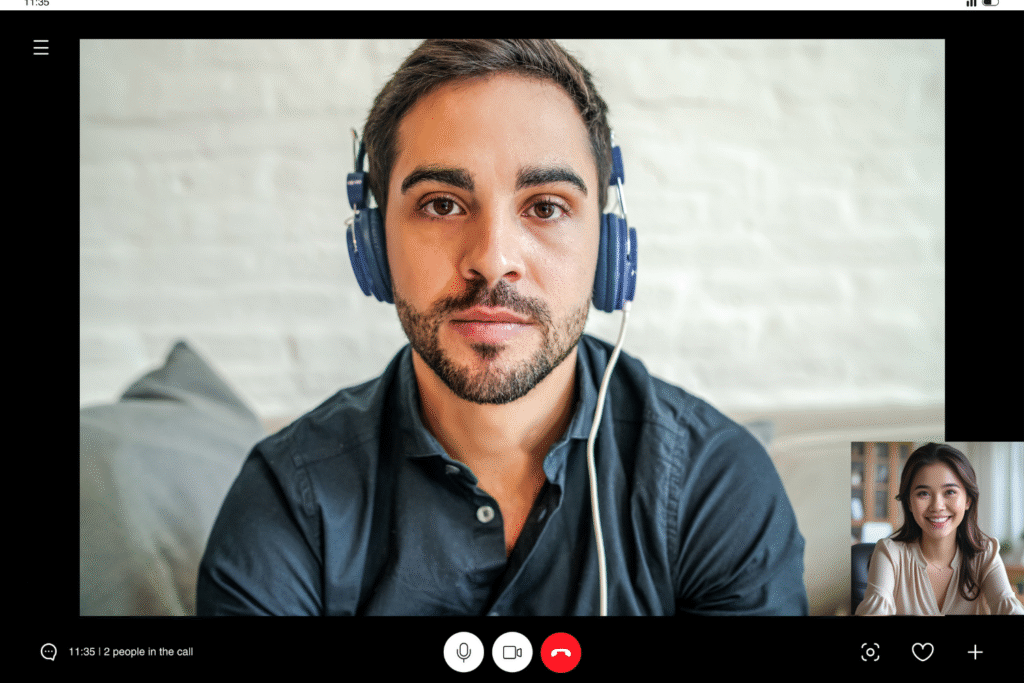

Understanding Filipino culture is key to building a strong remote team, especially when working with people from the Philippines. Two crucial cultural values—kapwa (shared identity) and pakikisama (getting along with others)—shape how Filipino professionals work, communicate, and build interpersonal relationships. These values influence how teams show mutual respect, maintain harmonious relationships, and support each other through everyday tasks and challenges.
For companies hiring Filipino Americans or working with the Filipino American community, knowing the significance of these values can improve teamwork and create deeper community bonds. This article explores how kapwa and pakikisama influence remote teamwork and offers general practices that align with these values to build unity, mutual support, and social harmony with your team.
What Is “Kapwa” in Filipino Culture?
The word kapwa reflects a deep belief in shared identity in Filipino society. Based on Filipino psychology research, it reflects a sense of shared identity and interconnectedness, where people are viewed as part of a collective rather than isolated individuals. This core idea is deeply rooted in the Filipino view of the community, where relationships come first, and the group matters more than the individual. Kapwa connects people through mutual respect, compassion, and a desire to support one another.
In remote work, kapwa helps build trust and unity. The value of kapwa can influence a team’s sense of unity, even in remote settings, by encouraging a mindset that emphasizes group connection. This value may contribute to a stronger sense of connection and team loyalty to one another, regardless of distance.
What Does “Pakikisama” Mean in the Workplace?
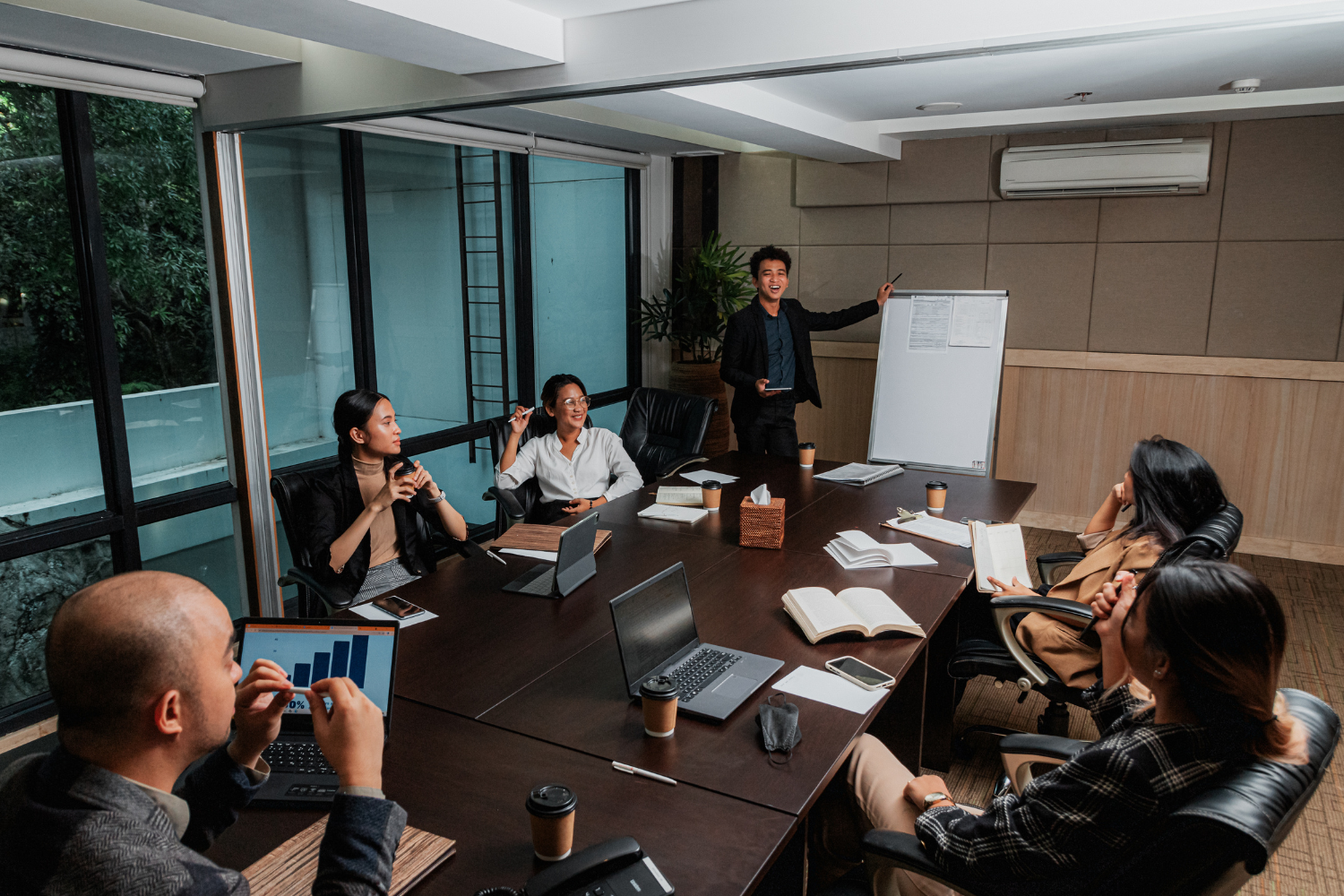
Pakikisama involves maintaining group harmony through cooperation and avoiding behavior that might disrupt social relationships. In the workplace, this value helps build harmonious relationships and smooth social interaction, but it also shapes how Filipino employees give and receive feedback. A strong sense of pakikisama may lead team members to hold back disagreement to protect others’ feelings or maintain social harmony.
Signs of pakikisama in the workplace:
- Agreeing in meetings even when they feel unsure
- Avoiding direct criticism to keep good relationships
- Staying silent during discussions to avoid tension
- Smiling or nodding even when confused
- Putting group needs first, even when it adds to their workload

How These Values Shape Filipino Remote Work Culture
Kapwa and pakikisama show up in many ways during daily remote work. These values shape communication, teamwork, and how employees handle success and conflict.
Reluctance to disagree or challenge decisions
In teams influenced by Filipino culture, disagreement can feel like disrespect. Many team members won’t openly question decisions made by someone in a higher role. Instead of sharing concerns directly, they may stay quiet or speak in vague terms. This respect for authority and a desire to avoid shame or embarrassment often come from family and education systems that value hierarchy.
Quiet contributions that support the group
Remote Filipino workers may not seek credit, but they work hard behind the scenes to help the group succeed. This shows a strong commitment to community, group effort, and mutual support.
Many will stay late or offer help without being asked, not for attention, but because they value the team’s success more than personal gain. These actions reflect the importance of community bonds and unity.
Discomfort with public recognition or solo praise
In some cases, praising one person too much can cause discomfort. A Filipino team member may feel uneasy if singled out in front of others, especially if others were part of the success.
This comes from hiya (a form of modesty or shame) and the Filipino identity that values the group over the individual. Giving credit to the whole team can be more effective and respectful.

How Can Leaders Respect Kapwa and Pakikisama?
To build honest, productive, and loyal relationships, leaders working with remote Filipino teams need to understand these values. Small changes in how goals and feedback are shared can lead to better social harmony and stronger teams.
Create team goals—not just individual KPIs
Focusing only on personal targets can break group unity. Instead, set goals that connect to the team’s shared purpose. This encourages participation, accountability, and a strong sense of community. Linking success to shared outcomes helps teams stay connected, even during busy or stressful times.
Highlight team wins instead of spotlighting one person
Many Filipino team members prefer to share success with others. Highlighting team wins shows respect for pakikisama and supports harmonious relationships. It also helps younger generations learn how to work together without the pressure of standing out alone, keeping social interaction smooth and inclusive.
Use group check-ins and collaborative problem-solving
Frequent group check-ins give everyone a chance to speak up without pressure. These sessions help identify issues early and promote participation without singling anyone out. This group approach supports mutual respect, reduces fear of shame, and shows that every person’s voice matters—even if it’s shared quietly.

What Happens If You Ignore These Values?
When kapwa and pakikisama are overlooked, team trust and connection can break down. This affects how well Filipino team members engage with tasks, express ideas, and respond to feedback.
Risks of pushing Western individualism too hard
Focusing only on personal goals can clash with the Filipino identity, which values shared identity, community, and social cohesion. The constant pressure to stand out may make team members uncomfortable or feel out of place. This can create distance between non-Filipinos and Filipino Americans, weakening interpersonal relationships vital for remote teams.
Reduced engagement or passive compliance
If team members feel forced to compete instead of collaborate, they may stay quiet or do only what’s required. This passive response doesn’t mean they don’t care—it shows a conflict between workplace culture and their cultural values. Without space for mutual respect and group participation, teams can lose momentum.
Missed feedback due to indirect communication
Overlooking pakikisama may make it harder to recognize indirect forms of feedback. Filipino team members may choose silence over confrontation, especially if they worry about causing discomfort. When communication isn’t designed with cultural fit, leaders can miss signs of problems until they grow bigger.

How to Balance Group Harmony With Performance Goals
Leaders don’t have to choose between results and relationships. When team culture respects group harmony and performance, everyone works better.
Encourage collaboration, then coach privately
Start projects with teamwork in mind. Once patterns emerge, give private coaching to help team members grow. This method avoids public shame and supports compassion while keeping goals on track.
Allow team input before final decisions
Asking for team opinions before choosing a direction supports honest and open communication. It builds mutual support and shows that each voice matters. This is especially important for younger generations, who value having a say in team direction.
Reward contributions in ways that honor the group
Instead of singling out individuals, recognize the team’s joint success. Use rewards that reflect community effort—like group messages, team lunches, or tokens that can be shared with family. This keeps rewards in line with Filipino culture and supports social harmony.
Real-World Example: Pakikisama in Action
This case shows how one team misunderstood pakikisama and how small changes helped restore trust and better results.
A case where direct feedback backfired
A U.S. manager gave public feedback to a Filipino team member during a group video call. While the message was meant to help, it embarrassed the employee, who later became quiet and withdrawn. The manager didn’t realize how much this moment clashed with Filipino cultural values like hiya and respect.
How team structure was changed to support group cohesion
After speaking with a cultural consultant, the manager changed the approach. Team check-ins became group-focused, and private one-on-ones were used for feedback. A shared space was also created for team members to offer suggestions, reducing pressure on individuals.
Outcome: better morale and more proactive communication
After these changes, the team noticed increased participation during meetings and asking questions earlier. The team felt more connected, and social interaction improved across time zones. Clearer roles and shared goals helped rebuild community bonds, improve performance, and reduce stress.
Tools That Support Kapwa and Pakikisama in Remote Teams
The right tools make supporting social harmony, shared goals, and smooth communication in remote settings easier.
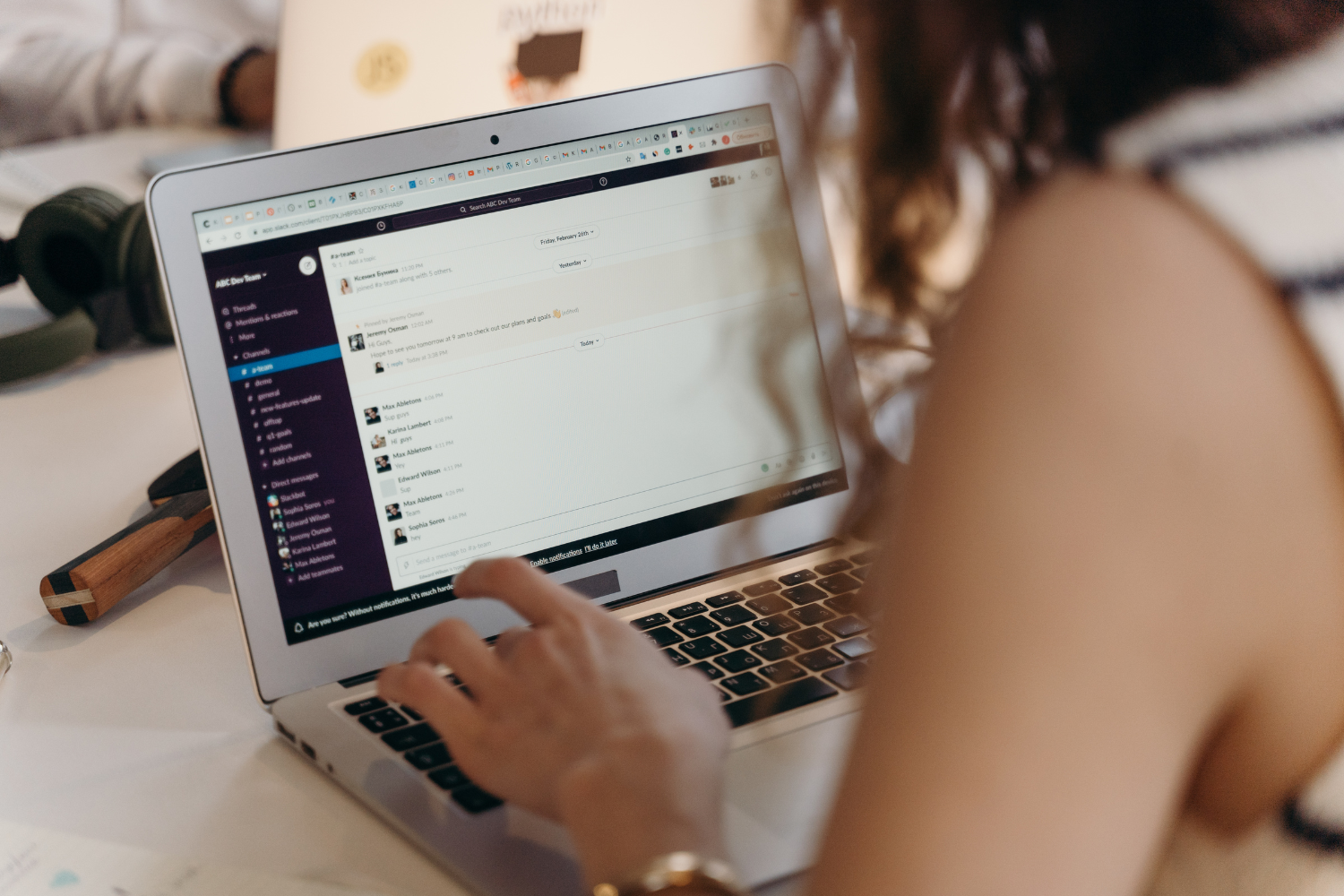
Slack or chat channels for casual bonding
Dedicated channels for sharing life updates, family news, or local stories help keep community connections strong. These chats support everyday social interaction, reduce stress, and help teammates feel more like a group—even across borders.
Shared recognition boards for team appreciation
Apps like Kudos or Bonusly allow teammates to recognize each other for support, effort, or success. Using a shared board reinforces mutual respect, highlights the value of each member, and celebrates wins that reflect the group, not just one person.
Collaborative meetings with space for quiet voices
Structured meetings with breakout rooms or written input options allow everyone to join. This is especially helpful for those who prefer not to speak up in front of others. These spaces support honest contributions and respect cultural values without forcing people out of their comfort zones.
Lead With Cultural Awareness, Not Just Metrics
Kapwa pakikisama culture is not just a tradition—it’s a practical way to lead teams with heart, clarity, and connection. These Filipino cultural values shape how people work, support one another, and build trust across distances. Teams thrive when leaders recognize the importance of shared identity, group effort, and social cohesion.
Focusing only on metrics may overlook the relationship-building practices valued in Filipino work culture while honoring mutual respect and community, which leads to better results. Strong remote teams are built with goals and a deep respect for people, culture, and relationships.
Frequently Asked Questions
What’s the difference between kapwa and pakikisama?
Kapwa means shared identity or connection, while pakikisama means going along with the group to keep harmony.
How do these values affect team communication?
They shape how Filipino team members share opinions, often using indirect language to avoid conflict.
Can Western-style managers adapt to these values easily?
Yes, with awareness and small changes in feedback, recognition, and team structure, managers can build stronger bonds.
How do I avoid accidentally disrespecting group harmony?
Use private coaching, group-based recognition, and open space for input instead of calling people out in public.
What tools help support these Filipino cultural values remotely?
These tools can support communication practices that align with social harmony and shared recognition.
References
- Alampay, L. P. (2014). Alampay, L.P. (2014). Parenting in the Philippines. In H. Selin and P. Schvaneveldt (Eds.), Parenting Across Cultures: Childrearing, Motherhood and Fatherhood in Non-Western Cultures. The Netherlands: Springer. http://dx.doi.org/10.1007/978-94-007-7503-9_9
- Deloitte. (2021). The Deloitte Global 2021 Millennial and Gen Z Survey. https://www.deloitte.com/za/en/about/people/social-responsibility/millennialsurvey-2021.html
- Enriquez, V. G. (1992). From colonial to liberation psychology : the Philippine experience. https://archive.org/details/fromcolonialtoli0000enri
- Jocano, F. L. (1999). Working with Filipinos a cross-cultural encounter. https://tuklas.up.edu.ph/Record/UP-99796217604684887?sid=123813517
- Pe-Pua, R., & Protacio-Marcelino, E. A. (2000). Sikolohiyang Pilipino (Filipino psychology): A legacy of Virgilio G. Enriquez. https://www.indigenouspsych.org/Members/Pe-Pua,%20Rogelia/PePua_Marcelino_2000.pdf