Offshore performance issues often stem more from misalignment or communication gaps than lack of talent. Cultural misunderstandings, unclear expectations, or communication gaps usually cause them. Respect, harmony, and relationship-building are commonly valued in Filipino work culture, which may influence how feedback is received and addressed. Ignoring these cultural nuances can lead to frustration, missed deadlines, and low morale.
Handling offshore team performance culturally means recognizing these differences and creating a system supporting accountability and dignity. When done right, it strengthens team cohesion, supports employee retention, and builds a productive work environment across time zones.

Common Offshore Management Mistakes to Avoid
Managing offshore teams across time zones and cultures comes with challenges. Some approaches that work in one setting may cause confusion or frustration in another. These common mistakes can weaken team dynamics and reduce employee satisfaction.
Applying Western Feedback Styles Without Adjustment
Many offshore team members, especially those from the Philippines, respond better to indirect feedback than blunt criticism. Western feedback methods often use direct language, which can feel harsh or disrespectful in cultures that value harmony and saving face.
This mismatch can create tension, lower team morale, and cause misunderstandings. A culturally sensitive approach avoids these issues, leading to more effective communication with offshore employees.
Prioritizing Metrics Over Relationships
Focusing only on numbers without considering personal connections can damage trust in offshore collaboration. In Filipino work culture, strong relationships often motivate better performance than metrics alone.
Ignoring cultural norms around loyalty and connection leads to disengagement. To support a productive and cohesive team, balance KPIs with team building and mutual understanding.
Publicly Calling Out Performance Issues
Calling out mistakes in front of others may seem efficient, but it often harms team cohesion in offshore teams. In cultures that value dignity and group harmony, like the Philippines, public criticism can cause shame and reduce motivation. Addressing issues privately helps preserve respect and improves communication skills among remote team members.
Assuming Silence Means Agreement
In many cross-cultural situations, team members may stay quiet out of politeness and not in agreement. Offshore personnel might avoid open disagreement to maintain peace, especially when speaking to superiors.
Without clear communication channels, silence can hide real concerns. Encourage open communication and use communication tools that make it easier for offshore team members to speak up.

The CLEAR Framework: A Respectful Approach to Offshore Issues
Handling offshore team performance culturally requires a clear, respectful way to discuss concerns. The CLEAR Framework helps leaders give feedback that supports growth while protecting team morale and cultural awareness.
C – Connect Relationally First
Offshore team members value trust before feedback. Start every conversation by checking in on their well-being or discussing shared goals. This builds rapport and shows that the relationship matters. Building mutual understanding early creates a stronger foundation for handling performance concerns, especially in vast offshore team structures.
L – Lead with Observable Patterns
Feedback should focus on facts, not personal traits. Use project management tools to track trends in missed deadlines or quality issues. When managing cultural differences, stick to what you can clearly see and measure. This makes feedback feel fair and prevents conflict caused by assumptions or unclear expectations.
E – Explore Context and Perspective
Ask team members for their side of the story. Offshore employees often face issues that aren’t visible from a distance—like power outages, unclear instructions, or cultural misunderstandings. Opening the door for their input strengthens team cohesion and improves cross-cultural understanding.
A – Agree on Action Steps
Create a shared plan to improve. This might include training programs, changes in workflow, or more regular check-ins. When offshore team members help build the solution, they feel ownership over the outcome. Co-creating steps also improve employee retention and encourage collaboration across the offshore workforce.
R – Reinforce Support and Confidence
End performance talks with encouragement and partnership. Let remote team members know you believe in their growth and are there to support them. This strengthens team morale and builds a positive company culture that values continuous learning, cultural sensitivity, and long-term success.

Cultural Considerations When Addressing Performance Gaps
Addressing performance concerns with offshore team members requires cultural awareness and communication skills. Certain approaches that may feel normal in one culture can be harmful in another.
Avoid Public Criticism—Use Private Settings
Public feedback that points out mistakes can damage trust and weaken team cohesion, especially in Filipino work culture. In many cultures, including the Philippines, private conversations are preferred for sensitive feedback, as they help preserve dignity and trust.
Using private settings shows cultural sensitivity and helps create a more inclusive work environment. Clear communication in one-on-one settings helps reduce tension and encourages honest discussion.
Reframe Issues as Growth Opportunities
Framing performance gaps as opportunities for improvement supports employee satisfaction and skill development. Offshore personnel are more likely to respond well when feedback focuses on growth, not failure.
Positive framing aligns with cultural values like self-improvement and loyalty and may help encourage learning and stronger long-term outcomes. This approach also strengthens team dynamics and keeps motivation high.
Ask Open-Ended Questions to Uncover Context
Open-ended questions help uncover challenges that offshore employees may not share unless invited. Different cultural backgrounds may make direct problem-sharing difficult, especially when power distance is high. Asking thoughtful questions builds mutual understanding and supports effective communication strategies.
Examples of open-ended questions:
- “What challenges are making this task difficult right now?”
- “Can you walk me through how you approached this project?”
- “Is there anything we can adjust to make the next steps easier?”
- “Are there tools or support you wish you had earlier?”
- “What would help you feel more confident in this process?”
Use “We” Language Instead of “You” Blame
Shifting from “you” to “we” builds trust and reduces defensiveness. This small change supports a more cooperative tone and respects cultural nuances.
Offshore team members often value group harmony, and “we” language encourages collaboration instead of confrontation. It also helps establish clear communication channels and makes team-building activities feel like shared goals, not personal corrections.

Tools to Support Culturally Aligned Performance Management
Performance management works best when paired with tools that match your team’s cultural and technical needs. These tools support ongoing communication, documentation, and team cohesion across offshore teams.
Notion or Google Docs – Shared Performance Plans
Shared documents allow remote team members to view their goals, expectations, and progress in real time. Notion or Google Docs help address cultural gaps by making feedback visible and easy to track without constant verbal updates. These tools support cross-cultural training and allow offshore employees to review expectations at their own pace.
Loom or Async Video – Delivers Tone Respectfully
Loom and other async video tools help deliver feedback with tone and warmth, which is often lost in text. This reduces communication barriers, especially when handling offshore team performance culturally. Filipino work culture values respectful communication styles, and video allows leaders to speak clearly without sounding too harsh or formal.
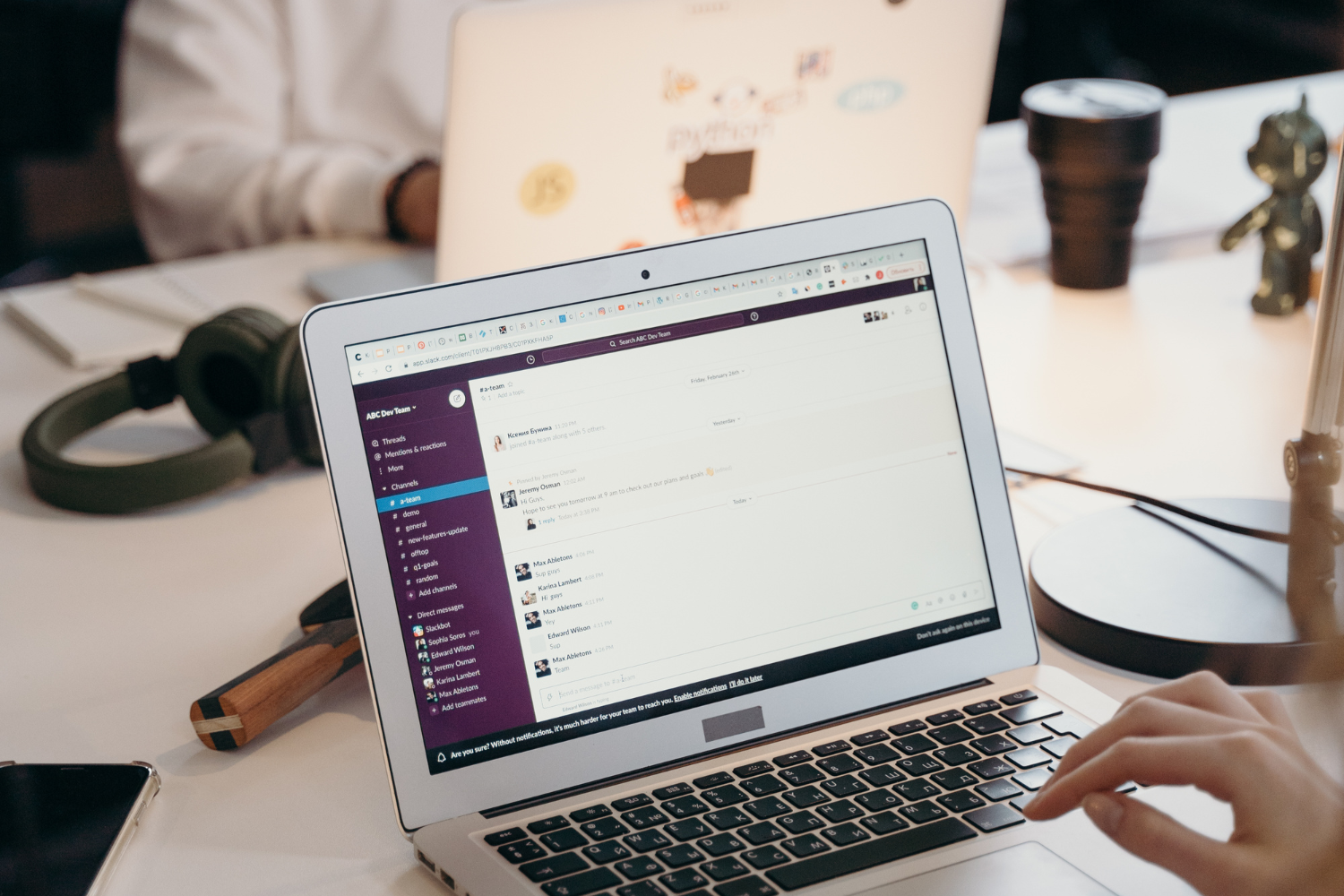
Slack (Private Threads) – For Lightweight Follow-Ups
Slack threads allow for private, non-intrusive follow-ups. These are useful for quick reminders, feedback, or checking in on progress. Keeping these chats private respects personal space and supports a positive company culture. This tool also makes it easy for offshore workforce teams to discuss progress without disrupting daily tasks.
Lattice or 15Five – Structured Feedback With Check-Ins
Lattice and 15Five provide organized feedback tools that support regular one-on-one conversations. These platforms offer space to reflect, track goals, and give feedback in a format that promotes cultural awareness. Used well, they help maintain employee retention and improve communication across vast offshore team setups.
Performance Plans That Preserve Dignity
When performance issues need formal plans, they should support improvement without damaging morale. A well-structured plan helps bridge cross-cultural differences and encourages collaboration.
Make Success Criteria Crystal Clear
Offshore team members do best when expectations are defined and measurable. Clear communication removes confusion and makes goals feel reachable.
Avoid vague statements. Instead, outline exactly what success looks like using metrics, timelines, and examples. This helps reduce stress and aligns efforts with the company’s business culture.
Offer Resources, Mentoring, and Flexibility
Support systems like mentorship programs, training programs, or flexible work arrangements make a big difference in offshore talent development. Address language barriers with language training when needed and assign experienced team members as mentors. These efforts show commitment to employee growth and strengthen team cohesion.
Avoid Punishment Framing—Position It as Support
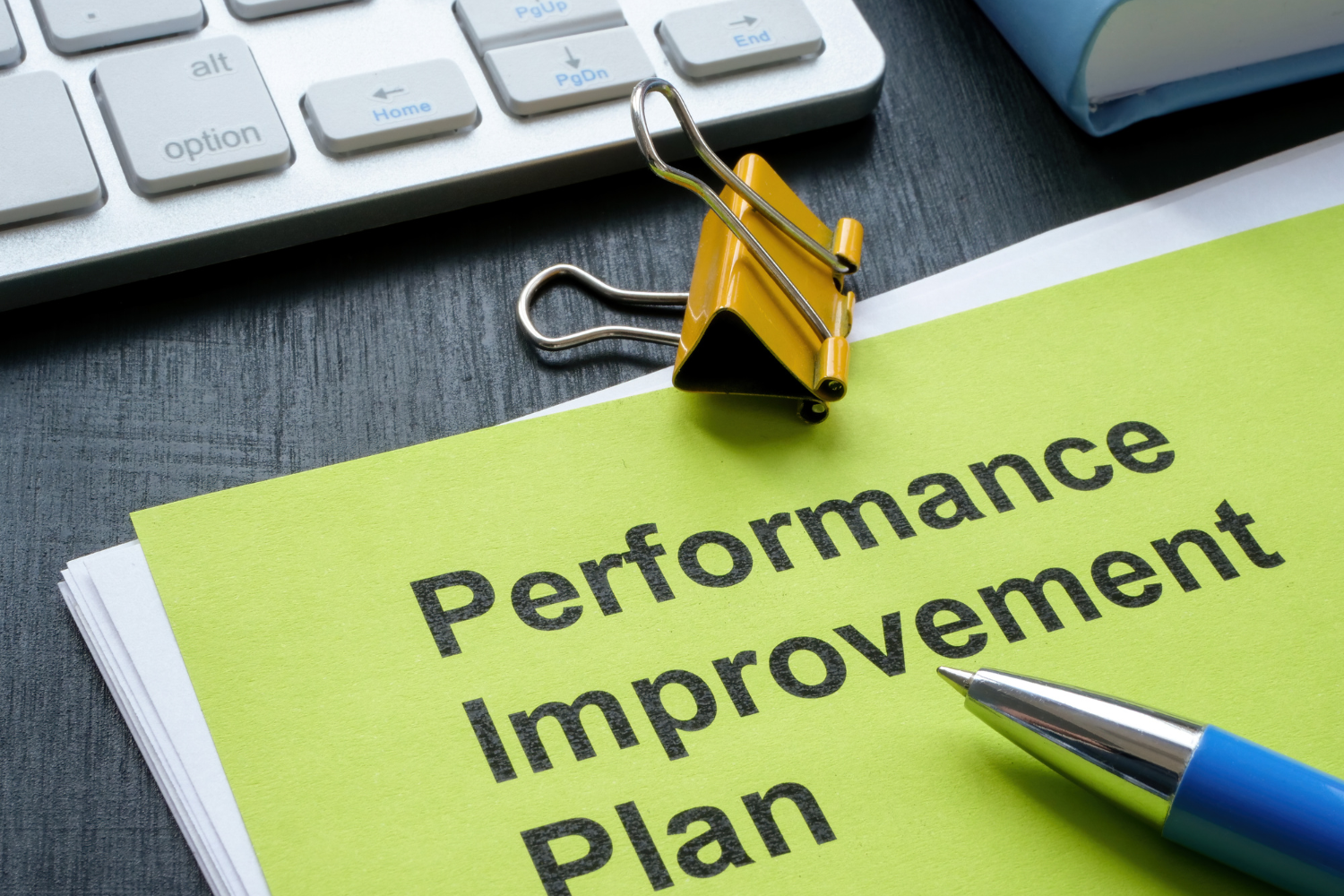
Present performance plans as a tool for growth, not discipline. Offshore employees often associate formal plans with job loss, so positioning it as support helps maintain trust. Performance plans designed with cultural sensitivity can help support engagement and motivation among offshore team members.
Schedule Check-Ins to Monitor Progress, Not Pressure
Check-ins should be supportive, not stressful. Use them to discuss progress, remove roadblocks, and encourage collaboration. Regular meetings using communication tools like Microsoft Teams help boost morale, improve communication styles, and keep everyone aligned in today’s globalized business landscape.
Build a Stronger Offshore Team Through Cultural Awareness
Improving offshore team performance starts with cultural intelligence, not just strict rules or more tracking. Respecting cultural diversity involves adjusting leadership and communication styles to align with your offshore team’s cultural backgrounds without lowering expectations.
A cross-cultural approach helps close cultural gaps, strengthens team cohesion, and supports a productive work environment. When you adapt your strategy with cultural sensitivity, you build an inclusive work environment that drives results, boosts morale, and improves employee satisfaction across your offshore workforce.
Frequently Asked Questions
How do I address performance issues in offshore teams respectfully?
Use private feedback, focus on clear goals, and frame issues as growth opportunities.
What is the CLEAR framework for managing offshore teams?
It’s a five-step method: Connect, Lead with patterns, Explore context, Agree on actions, and Reinforce support.
How do Filipino cultural values affect performance management?
They emphasize harmony, respect, and relationship-based feedback, influencing how offshore team members respond to performance discussions.
Can I use formal PIPs with offshore professionals?
Yes, but they should focus on support and clarity, not punishment, to align with cultural norms and maintain trust.
What tools support culturally sensitive remote coaching?
Tools like Loom, Slack, Notion, and 15Five can support better communication by allowing more thoughtful, structured feedback, which may be helpful when managing across cultures.
References
- Alampay, E. A., & Hechanova, M. R. (2017). Monitoring Employee Use of the Internet in Philippine Organizations. Retrieved from https://archium.ateneo.edu/psychology-faculty-pubs/200/
- Francisco, K.A. (2022). Electricity Supply Interruptions in the Philippines. https://pidswebs.pids.gov.ph/CDN/document/pidsdps2248.pdf
- Hechanova, G., & Caringal Go, J. F. (2018). Building a culture of workplace wellness: Perspectives from Philippine organizations. International Journal of Research Studies in Psychology, 7(2), 13–27. https://doi.org/10.5861/ijrsp.2018.3010
- Hechanova, G., Calleja, M., & Villaluz, V. (Eds.). (2014). Managing Filipino workers and organizations (1st ed.). Ateneo de Manila University Press. Retrieved from https://www.researchgate.net/publication/284723950_managing_filipino_worker_and_organization
- International Labour Organization. (2017). Decent Work Country Diagnostics: Philippines. https://www.ilo.org/publications/decent-work-country-diagnostics-philippines-2017