
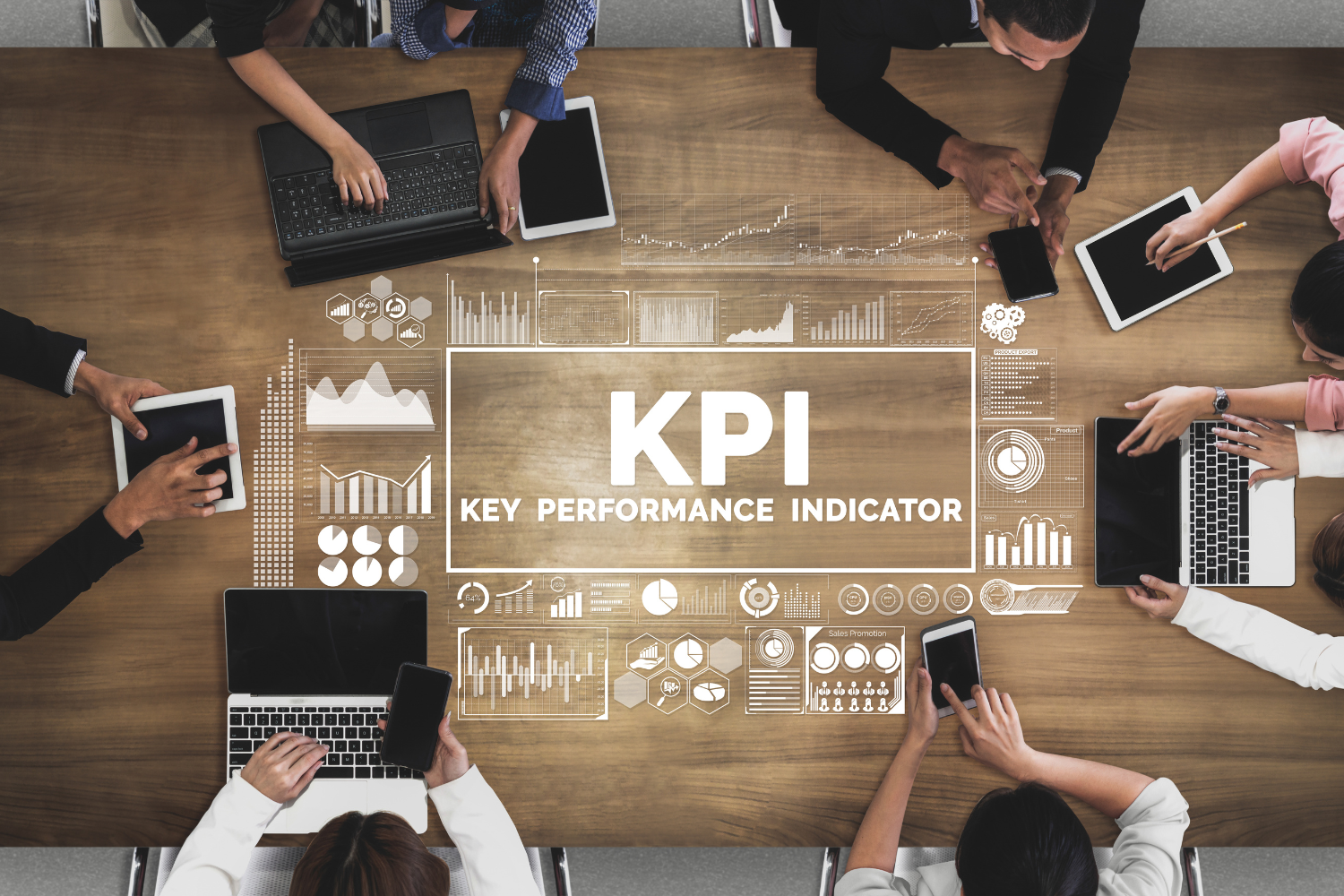
Many Western companies struggle when applying traditional key performance indicators (KPIs) to Filipino teams because they often overlook critical cultural nuances. Standard approaches to performance management may unintentionally lower employee engagement, reduce employee satisfaction, and create communication barriers that affect team performance.
Defining key performance indicators that align with Filipino cultural values is essential to building a positive work environment and enhancing employee productivity. This guide explores designing KPIs that fit the Philippine workforce by addressing cultural considerations, sharing actionable strategies, and providing frameworks that support professional growth, encourage collaboration, and promote a supportive work environment that leads to sustained success.
What Makes Filipino Work Culture Unique?
Filipino work culture blends deep-rooted values with a strong team orientation. To design KPIs that work, companies must understand how cultural values impact employee performance and motivation.
Key Cultural Values That Influence Performance Measurement
Filipino employees value workplace harmony, mutual respect, and group success. These cultural factors shape how feedback is received, and how success is defined in the Philippines. Public criticism, aggressive rankings, or direct confrontation often create discomfort and disengagement.
- Pakikisama (Harmony): Team members avoid conflict and aim to maintain a peaceful work environment. Metrics that push individual competition can hurt team dynamics.
- Hiya (Saving Face): Employees feel shame when called out publicly. Blunt performance reviews can damage trust and lower employee motivation.
- Utang na Loob (Gratitude): Loyalty grows when employees feel supported. Recognition programs and trust-based systems often boost employee engagement.
- Respect for Authority: Clear direction and structure are preferred. Autonomy grows best when trust is built over time.

Regional Differences That Shape Expectations
Work styles vary across the Philippine workforce. Teams in urban areas may have more exposure to structured systems due to previous BPO or tech experience, while provincial teams value stronger relationships and more gradual changes.
| Workforce Area | Metro Manila | Provincial Regions |
|---|---|---|
| Autonomy | Comfortable with guided independence | Prefer clearer step-by-step direction |
| Communication Style | More open to direct communication | Indirect communication preferred |
| Familiarity with KPIs | High, especially in BPO and tech sectors | May need more onboarding and context |
| Technology Use | Comfortable with most digital tools | May experience bandwidth or access limitations |
| Feedback Preferences | Regular, structured performance reviews | Culturally sensitive, relationship-based feedback |

Core Principles for Designing KPIs Filipino Teams Will Embrace
KPIs must fit the role and local culture to support a motivated team and achieve organizational goals. These principles help turn metrics into employee growth, engagement, and team success tools.
Make Metrics Team-Oriented, Not Just Individual
Filipino teams thrive in group settings where success is shared. A balanced approach that combines personal accountability with team performance builds employee satisfaction and encourages collaboration. The 70/30 rule—where 70% of KPIs are individual and 30% are team-based—is an effective structure.
| Type of Goal | Individual Metrics (70%) | Team Metrics (30%) |
|---|---|---|
| Focus | Personal output, timeliness, quality of work | Shared goals, process improvement, customer satisfaction |
| Purpose | Evaluate personal strengths and gaps | Build unity, support, and shared accountability |
| Examples | Tasks completed, error rate, time logs | Team resolution rate, shared targets, project success |
Include Qualitative and Relationship-Based Metrics
Filipino professionals value trust, relationships, and respectful communication that avoids direct confrontation. Relying only on hard numbers can overlook key parts of employee engagement and development.
Metrics that track communication quality, team collaboration, and knowledge sharing lead to more motivated teams. These indicators help build a positive work culture, where employees feel recognized and included.
Prioritize Growth-Focused, Not Punitive, Indicators
KPIs are more effective when designed to support growth rather than penalize errors. Focus on continuous improvement by including metrics like skill enhancement, participation in training programs, and suggestions for process upgrades.
These indicators support a culture of learning and reflect the Filipino workforce’s desire for professional growth, employee development, and career development opportunities. This approach also increases job satisfaction, employee productivity, and long-term team success.
Step-by-Step: Building KPIs for Filipino Remote Roles
To support a motivated and engaged workforce, KPI systems must match each role while reflecting the values of Filipino employees. This section offers a straightforward process for building performance indicators that align with cultural expectations and day-to-day tasks.
Identify Success Factors by Role
Every remote role requires different ways to measure success. KPI sets must fit the role’s core duties to enhance employee performance and job satisfaction. Below is a sample breakdown of KPIs across common offshore positions in the Philippine workforce.
| Role | Key Performance Indicators (KPIs) |
|---|---|
| Virtual Assistant (VA) | Task completion rate, calendar accuracy, communication response time, on-time task completion |
| Web Developer | Code quality, bug rate, project completion timeline, documentation accuracy |
| Content Creator | Content delivery rate, error-free publishing, engagement score, collaboration in trend planning |
| Customer Service Rep | First response time, issue resolution rate, customer satisfaction score, empathy in messaging |
| Bookkeeper | Transaction accuracy, reporting timeliness, adherence to monthly reconciliation and tax filing requirements, contribution to process efficiency |
Map Metrics to Filipino Values and Expectations
To achieve organizational goals and maintain a positive work culture, KPIs should reflect the cultural values of Filipino employees. Harmony, loyalty, and respectful communication are pivotal in how people respond to evaluation.
Shared metrics help encourage collaboration, while personalized recognition boosts employee motivation. Many teams report higher employee engagement when cultural values are considered in the evaluation process, which drives team success.
Document KPIs Clearly with Definitions and Targets
Using a role-specific KPI document helps employees feel informed, motivated, and less stressed. These documents should define key performance indicators in simple terms, show how each metric is measured, and explain how it links to organizational success.
A clear outline supports employee development by giving structure, enabling ongoing feedback, and encouraging continuous improvement. It also helps human resource management provide timely feedback and necessary adjustments that support employee growth.
Example: KPI Breakdown for a Filipino Customer Service Role
KPIs for customer service agents in the Philippines should combine clarity, care, and cultural sensitivity. The following example shows how to build metrics that fit the role and support an engaged workforce.
Primary KPIs
The main performance indicators for customer service roles help measure success in response time, issue resolution, and customer experience. These KPIs focus on delivering excellent service while respecting the employee’s communication style and work rhythm.
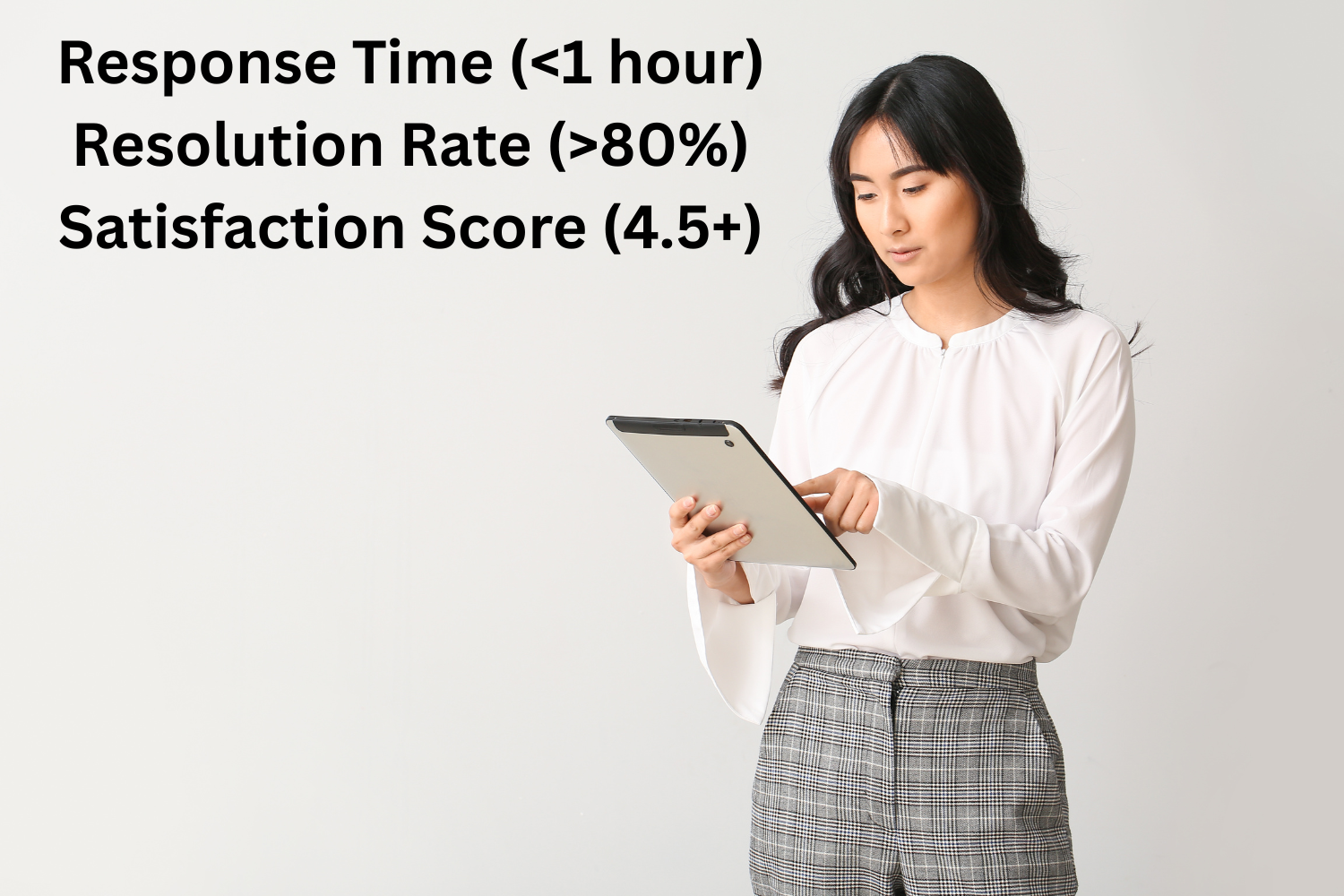
- Response Time: Measures how quickly agents reply to inquiries (goal: under 1 hour during work hours).
- Resolution Rate: Tracks how many issues are fully resolved without escalation (target: above 80%).
- Customer Satisfaction Score: Collected through surveys and feedback (target: industry-appropriate score based on a 5-point CSAT scale).
Supporting Metrics
Supporting metrics help paint a full picture of employee performance. These indicators capture soft skills and team behavior that are highly valued in Filipino work culture.
- Empathy Score: Rates tone and understanding in customer interactions.
- QA Accuracy: Reviews alignment with quality assurance standards and policies.
- Teamwork Contributions: Tracks support is offered to coworkers and participation in team projects or knowledge sharing.
What Success Looks Like in a Filipino Context
In the Philippine setting, success in customer service goes beyond technical accuracy. It means building trust with customers and teammates, showing loyalty to the company, and taking initiative while respecting structure.
A high-performing agent contributes to a positive work culture, supports peer learning, and adapts to feedback in ways that reflect strong cultural alignment. These habits support employee engagement efforts and may contribute to stronger customer satisfaction and overall success.

Implementation Tips for Long-Term Success
Rolling out KPIs is only the beginning. Companies need consistent follow-through that supports cultural values and employee development to maintain an engaged workforce and achieve sustained success.
Share KPIs Early and Review Regularly
KPIs should be introduced during onboarding so employees feel informed and prepared from day one. Regular one-on-one meetings and formal performance reviews help reinforce expectations and give space for ongoing feedback. These sessions also provide opportunities to support employee growth, check alignment with organizational goals, and make necessary adjustments as roles evolve.
Use Feedback Tools That Fit Cultural Norms
Choose tools that make feedback feel safe and constructive to support a healthy work-life balance and open communication. Filipino employees respond well to clear but non-confrontational systems.
- Dashboards: Visual performance trackers allow employees to self-monitor progress without pressure.
- Asynchronous Updates: Tools like Loom or Google Docs let managers share feedback privately and respectfully.
- Guided Self-Assessment: Prompts or templates help employees reflect on their past performance in a low-stress format.
Balance Metrics with Appreciation and Relationship Building
Measuring performance alone won’t keep employees engaged. A supportive work environment includes personal recognition and team milestones. Celebrate wins publicly and encourage employees through recognition programs highlighting individual growth and team collaboration. These efforts build a positive work culture that improves employee satisfaction and motivation.

Rethinking KPIs for the Philippine Workforce: Motivation, Alignment, and Lasting Impact
Many effective KPI systems for Filipino teams focus on more than just output—they strengthen trust, promote open communication, and support professional growth. Aligning key performance indicators with Filipino work culture helps organizations build team performance without sacrificing dignity or employee motivation.
The strategies outlined here are commonly used to support alignment with Filipino work culture, relationship-based feedback, and a growth mindset that drives continuous improvement across the Philippine workforce.
Frequently Asked Questions
What are the most important KPIs for Filipino virtual assistants?
Task completion, response time, calendar accuracy, and communication quality.
How do I prevent KPIs from creating stress or shame?
Use private, respectful feedback and focus on development instead of blame.
Should I use the same KPIs for Metro Manila and provincial teams?
Adjust slightly based on tech access, communication style, and autonomy level.
How do I measure soft skills or collaboration in KPIs?
Include metrics for empathy, teamwork contributions, and knowledge sharing.
Can I adapt Western performance metrics to fit Filipino culture?
Yes, with cultural considerations like indirect feedback and shared goals.
References
- Civil Service Commission Philippines. (2018). Strategic Performance Management System (SPMS). https://www.csc.gov.ph/programs/spms
- Institute for Labor Studies. (2025). 2022 Working Papers. https://ils.dole.gov.ph/publications/working-papers/2022-working-papers
- Jef Menguin. (2022. 30 Filipino Values: Cultural Beliefs that Shape Our Behaviors. https://jefmenguin.com/filipino-values/
- Philippine Statistics Authority. (2025). Highlights of the April 2025 Labor Force Survey. https://psa.gov.ph/statistics/labor-force-survey
- Philippine Statistics Authority. (2024). 2022 Annual Survey of Philippine Business and Industry (ASPBI) – Information Technology – Business Process Management (IT-BPM) Industries: Final Results. https://psa.gov.ph/content/2022-annual-survey-philippine-business-and-industry-aspbi-information-technology-business