

Managing Filipino team members takes more than assigning tasks—it requires cultural awareness. Many Filipino management mistakes happen when leaders overlook key traits like indirect communication, body language, and the influence of family members. Many Filipino professionals value family, loyalty, and dedication to work, which are shaped by cultural and social factors. However, direct feedback and fast decision-making may clash with the Filipino work culture.
Different communication styles and saving face can lead to confusion or missed opportunities in corporate settings. This article breaks down the most common cultural barriers and shows how to lead Filipino employees with effective communication, mutual support, and respect for Filipino culture.

Why Cultural Awareness Is Essential for Remote Leadership
Managing remote staff from the Philippines means working with cultural traits that differ from Western norms. Without understanding Filipino work culture, even experienced managers can create confusion or lose team trust.
The risks of assuming Western work norms apply globally
In many Asian countries, including the Philippines, the leadership style that works in American corporate settings may not translate well. Direct communication, quick decision-making, and task-first interactions are valued in Western culture.
But in Filipino society, relationships and mutual support often come first. When managers expect the average Filipino employee to challenge ideas or raise concerns like a Western peer might, they risk misunderstanding silence as agreement. This disconnect leads to Filipino management mistakes that can damage workflow and morale.
How cultural misunderstandings affect performance and trust
Cultural barriers such as indirect communication or saving face can make Filipino employees seem passive or unclear when simply being respectful. If a leader doesn’t recognize these differences, the team may feel pressure to agree outwardly while privately feeling confused or unsupported.
Over time, these cultural misunderstandings break trust, slow down progress, and prevent a productive work environment. In many Filipino workplaces, leadership that includes guidance, respect, and relationship-building tends to be more effective, which helps them function and stay engaged.
What Filipino team members may not openly tell you
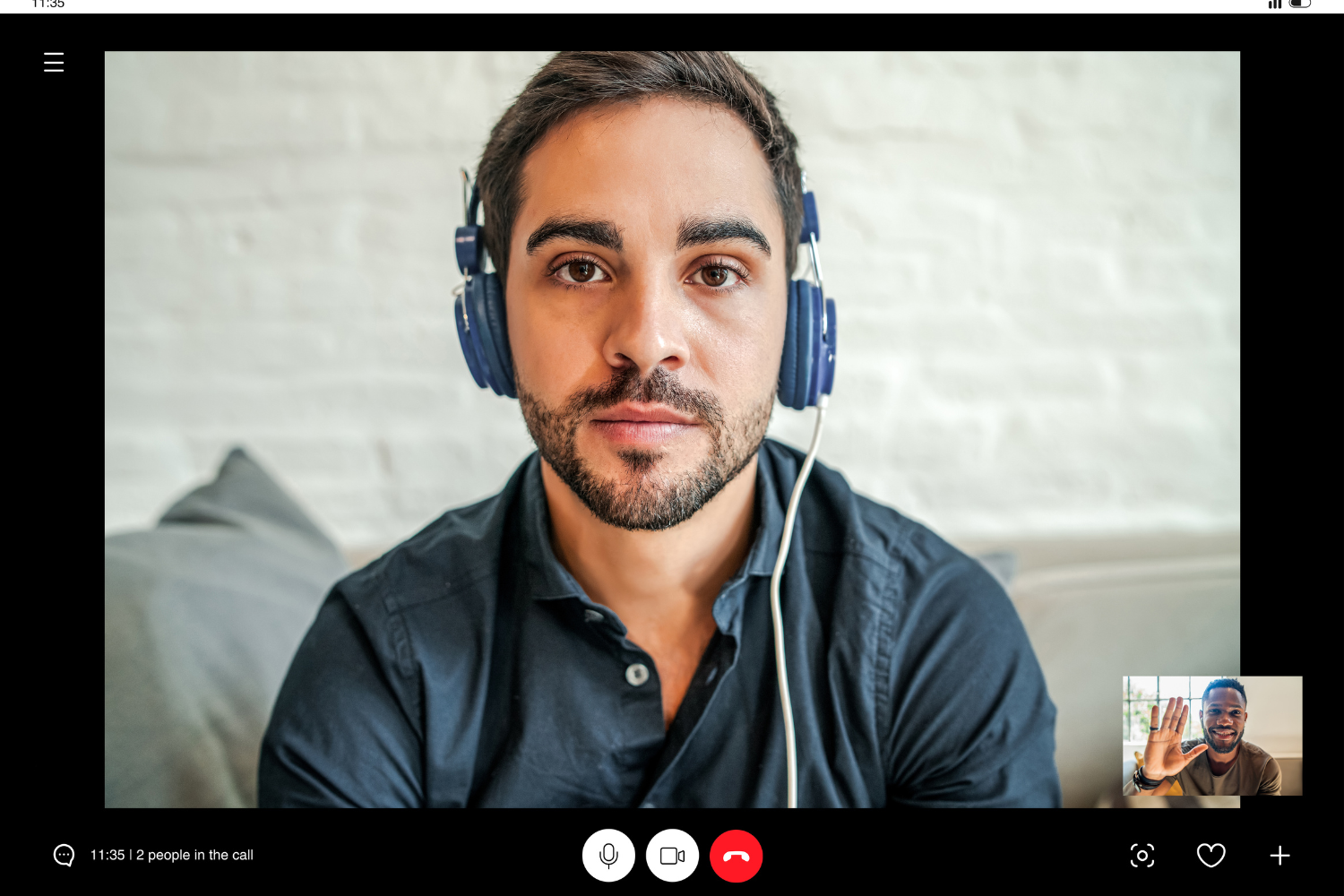
Most Filipinos will avoid direct confrontation, especially in a professional setting. A team member might say “yes” or nod politely, even if they don’t fully understand the task or timeline. This behavior stems from a desire to avoid conflict and maintain harmony—a deeply rooted value in Filipino culture.
Without clear systems for checking understanding, managers may miss early signs of confusion, leading to delays or unmet expectations. These are common Filipino management mistakes that can be prevented with better awareness of these nonverbal cues.

Top Cultural Misunderstandings in Filipino Team Management
Even well-meaning leaders can fall into habits that don’t align with Filipino culture. The following examples show how certain actions, if not adjusted, can harm trust and slow down progress with Filipino staff.
Mistaking politeness for agreement
In Filipino work culture, politeness is often more important than directness. When a Filipino team member says, “I’ll try,” they may be signaling concern about the deadline or task. Many Filipinos avoid saying “no” to avoid disappointing others or showing disrespect.
Managers who miss these cues may think the team is on the same page, only to find out later that deadlines were misunderstood. Understanding these different communication styles is key to avoiding Filipino management mistakes.
Giving blunt feedback in group settings
Filipino employees tend to avoid embarrassment, especially in front of others. Giving direct feedback in a group meeting can lead to shame or withdrawal instead of improvement. In many Asian countries, including the Philippines, saving face is a common cultural trait. When leaders provide constructive criticism privately and with care, it protects relationships and supports personal growth. Ignoring this can hurt trust and make employees feel undervalued.
Expecting employees to speak up or push back
In Filipino culture, respect for authority is deeply rooted. Many Filipino team members may avoid raising concerns or offering corrections, even if they see something wrong. They may also avoid disagreeing with middle managers or team leads.
Filipinos prefer a respectful tone and expect leaders to invite feedback clearly. Without this, managers risk missing valuable input and losing chances to create a more effective communication process.
Assuming “yes” means full understanding or commitment
When Filipino staff say “yes,” they may simply show they heard you, not that they fully understand or agree. These nonverbal cues and polite responses can mask confusion, especially during complex tasks or tight timelines.
This kind of misunderstanding often occurs in cross-cultural settings involving Filipino teams. Using follow-up questions and asking employees to restate tasks in their own words can confirm that everyone is on the same page.
Overlooking the importance of building personal rapport
In Filipino society, relationships matter. Many Filipinos feel more motivated when they trust their manager and feel seen as individuals. A quick “how are you?” or recognition of family members or birthdays builds connection.
Small talk and friendly check-ins aren’t distractions—they are part of how Filipinos create trust in a business setting. Ignoring these moments can weaken team loyalty and reduce motivation, even in high-performing remote staff.

How These Mistakes Show Up in Daily Workflows
Cultural misunderstandings don’t always show up immediately, but they often become visible in how work gets done each day. These issues can quietly affect performance, morale, and the overall sense of alignment.
Missed deadlines due to unclear confirmation
In Filipino work culture, it’s common for team members to say “yes” as a sign of respect or politeness. This doesn’t always mean full agreement or clear understanding. Managers may assume a task is on track without checking for real confirmation.
The result is often missed deadlines, causing frustration for both sides. Filipino management mistakes are preventable with better communication styles and clearer task reviews.
Low participation during meetings or team reviews
Filipino employees may stay quiet during meetings to avoid challenging authority or speaking out of turn. This silence is often misunderstood as a lack of interest. In reality, many Filipinos prefer to share ideas in one-on-one chats or after building more trust.
In group settings, body language or facial expressions may show concern, but these nonverbal cues are often missed. Without proper team-building activities or inclusive meeting formats, valuable insights stay hidden.
Drop in quality after critical feedback given the wrong way
Giving direct feedback publicly may lead to discomfort in some Filipino teams, especially in cultures where saving face is important. In many Asian countries, including the Philippines, saving face matters. If feedback feels harsh or public, it can cause stress or confusion.
This may result in lower-quality output—not due to lack of skill, but due to discomfort in the communication style used. More thoughtful, private approaches help create a productive work environment and support professional growth.
Quiet resignations or disengagement without explanation
Some Filipino employees may choose to disengage or resign quietly if they feel unsupported, which is why clear communication and recognition are important. Some resign without warning, while others stay but stop giving their best.
These signs of disengagement are often traced back to missed opportunities to connect, unclear expectations, or poor feedback handling. Filipino staff value relationships and mutual support. When those break down, commitment to the company often fades without loud complaints.
What to Do Instead: Culture-Smart Management Habits
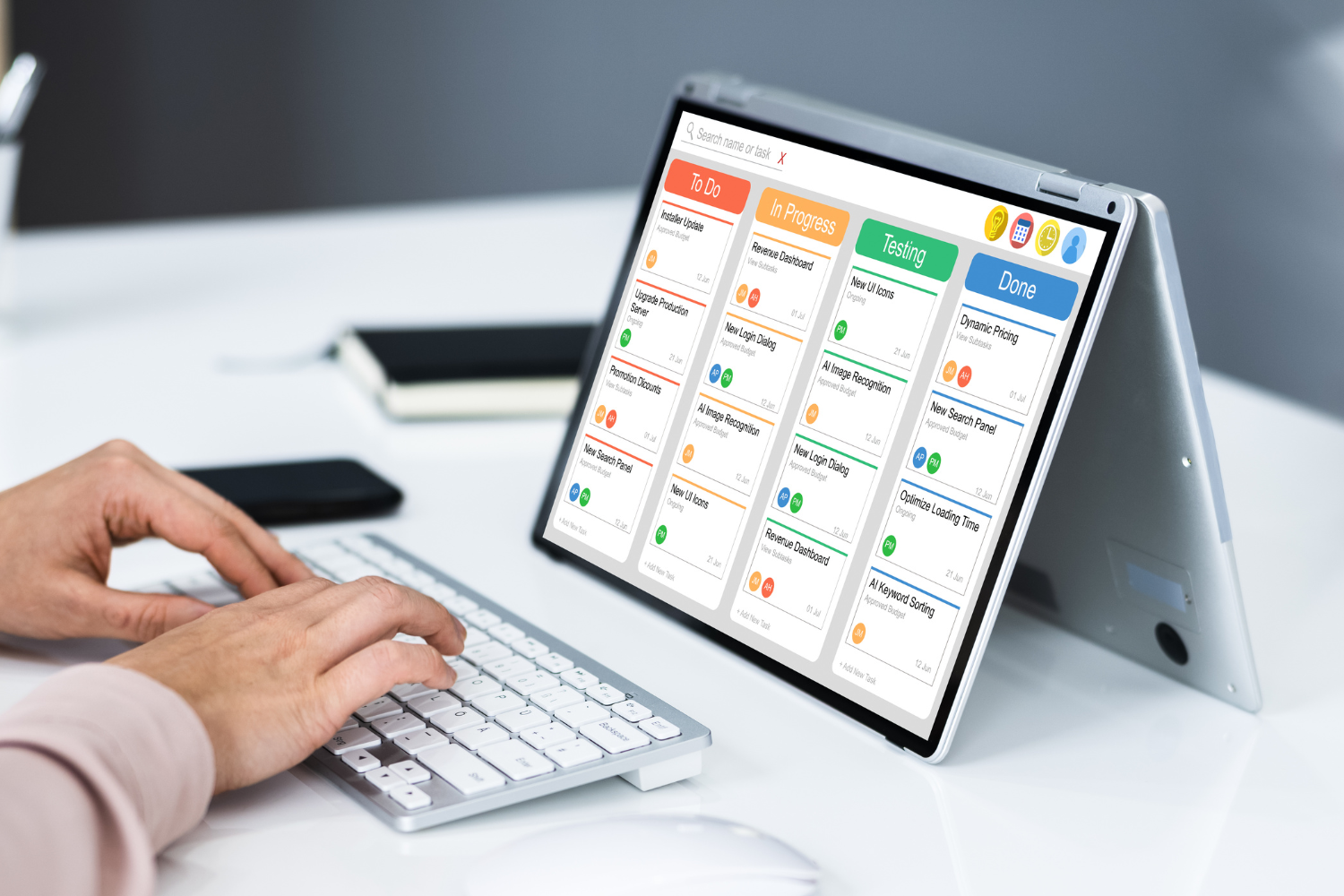
Leaders who adjust their approach to match Filipino culture see better results. These simple but powerful habits help build trust, improve clarity, and avoid common Filipino management mistakes.
Ask open-ended questions to confirm understanding
Instead of asking, “Do you understand?” managers should invite Filipino team members to explain tasks in their own words. Questions like “How would you approach this?” or “What are your next steps?” create space for honest responses. This helps uncover any confusion early and supports effective communication across the team.

Deliver feedback privately and with empathy
Filipino employees respond better to feedback given in a respectful, one-on-one setting. Using a calm tone and focusing on the task—not the person—protects dignity and keeps morale high. Many Filipinos prefer guidance over criticism, especially when it’s paired with encouragement. This approach supports personal growth while keeping team energy strong.
Create a safe space for honest opinions and questions
Managers should make it clear that honest input is welcome and won’t be punished. Filipinos often avoid speaking up unless they feel truly safe. Using regular check-ins, anonymous forms, or small group chats can help. Employees who feel heard are more likely to raise concerns, offer suggestions, and help the team function effectively.
Prioritize relationship-building alongside productivity
Filipinos prefer to work with managers who show they care. Taking time for small talk, asking about family members, or remembering birthdays helps build connections. These moments matter in Filipino society, where relationships often shape workplace success. A strong bond leads to stronger commitment, teamwork, and better results overall.

Training and Support for Culturally Effective Management
Even the best managers need support to work across cultures. Training and tools can help teams create a more respectful and effective way to lead Filipino employees.
Provide cross-cultural training for managers
Common cross-cultural management mistakes happen when leaders aren’t trained to recognize cultural differences that affect work styles. Cross-cultural training helps managers understand Filipino culture, communication styles, and common values. Learning about traits like saving face, respect for hierarchy, and the family-oriented mindset helps leaders adjust their leadership style for better outcomes.
Build feedback loops to catch misunderstandings early
Misunderstandings can build quietly over time. Creating simple feedback loops—like weekly one-on-ones or short surveys—helps managers spot issues early.
These tools give Filipino team members a safe space to raise concerns and help leaders fine-tune their communication. Feedback loops also show employees that their voices matter in the company’s decision-making processes.
Create communication norms that invite clarification
Setting shared rules for communication can help the whole team stay on the same page. For example, asking everyone to confirm tasks in writing or restate action items helps avoid confusion. These norms reduce pressure on Filipino employees to guess expectations and encourage more open communication in a professional setting.
Promote Filipino team members into leadership roles
Promoting from within helps close cultural gaps and shows long-term commitment to the team. Middle managers who understand Western culture and Filipino society can help bridge differences.
This approach gives employees room for professional growth and helps leaders provide better support across the team. Research suggests that leadership aligned with local culture can improve team satisfaction and performance. Internal company studies and academic work from universities in the Philippines have pointed to the importance of cultural alignment, though results may vary by context.

Managing with Cultural Intelligence Pays Off
Avoiding Filipino management mistakes means understanding the cultural traits that shape how Filipino team members work, communicate, and respond to leadership. Managers who respect these differences—like indirect communication, family-oriented values, and saving face—create a more productive work environment.
Aligning your leadership style with the Filipino work culture encourages effective communication, stronger relationships, and long-term professional growth. This approach helps teams function effectively, reduces missed opportunities, and leads to real success for employees and the business.
Frequently Asked Questions
What are the most common mistakes foreign managers make with Filipino teams?
Two of the biggest mistakes are assuming direct communication works the same way and giving public criticism.
Why do Filipino employees sometimes avoid speaking up?
Many Filipinos prefer to maintain harmony and avoid conflict, especially in professional settings.
How can I deliver critical feedback without causing offense?
Share feedback privately, focus on the task, and use respectful, encouraging language.
What’s the best way to confirm task understanding in Filipino teams?
Ask open-ended questions and have employees explain the task in their own words.
How can I build trust with my Filipino remote workers?
Show genuine interest, respect cultural values, and take time to build personal rapport.
References
- Hechanova, M. R., & Franco, E. P. (2008). Leading Philippine Organizations in a Changing World. https://archium.ateneo.edu/psychology-faculty-pubs/214/
- Manila Recruitment. (2022). The Filipino Communication Style in the Workplace. https://manilarecruitment.com/manila-recruitment-articles-advice/filipino-communication-style-workplace/
- Morillo, H. M., Capuno, J. J., & Mendoza, A. M., Jr. (2013). Views and Values on Family among Filipinos: An Empirical Exploration. Asian Journal of Social Science, 41(1), 5-28. https://doi.org/10.1163/15685314-12341278
- Noblezada, J. M., Salazar, A. L., Taguba, C. A., & Villanueva, M. F. (2012). Leadership style effects on employee job satisfaction, organizational commitment and developmental opportunities. Retrieved from https://animorepository.dlsu.edu.ph/etd_honors/379
- The Culture Factor. (n.d.). Country Comparison Tool. https://www.theculturefactor.com/country-comparison-tool?countries=philippines
- Yoonet. (2025). Hiya and Pakikisama: Unpacking Key Filipino Cultural Values in the BPO Sector for Australian Managers. https://www.yoonet.io/knowledgebase/hiya-and-pakikisama-unpacking-key-filipino-cultural-values-in-the-bpo-sector-for-australian-managers