

Giving feedback to Filipino employees involves more than clear communication—it requires understanding Filipino culture, communication styles, and workplace values. Many Filipinos prioritize maintaining harmony, showing respect, and building strong relationships at work. A blunt or overly direct approach can cause discomfort or lead to miscommunication.
Understanding Filipino work culture, including the importance of family, work-life balance, and a strong work ethic, helps companies create a positive work environment where employees feel supported, recognized, and motivated. This article offers practical tips to create a Filipino feedback strategy that builds trust, improves productivity, and strengthens collaboration across teams.
Why Feedback Must Be Culturally Aligned
Feedback is crucial in helping Filipino workers grow, but the approach must match their cultural values. To create a strong Filipino feedback strategy, it’s essential to understand how communication, relationships, and workplace expectations differ from Western norms.
Understanding “saving face” in Filipino culture
In Filipino culture, preserving dignity—often called “saving face”—is integral to daily life and work. Many Filipino employees will go out of their way to avoid embarrassment, especially in front of others. Direct criticism, even when meant to help, can feel personal and disrespectful.
To maintain harmony and a positive work environment, managers must deliver feedback in a way that supports the person rather than puts them on the spot. This cultural nuance shapes how Filipino workers respond to conversations about performance, challenges, or improvement.
Why public criticism may lead to withdrawal
Public feedback, especially if negative, can be uncomfortable for Filipino employees and may lead to disengagement or a drop in morale. In a culture where group harmony is valued, calling someone out in front of colleagues may be seen as a loss of respect.
Rather than encouraging improvement, this approach may cause the person to withdraw, become less open, or even avoid future conversations. Feedback should be delivered privately and with empathy to maintain a productive and respectful workplace.
The value of personal connection in feedback delivery
Filipino work culture places high importance on building personal relationships and trust. Before giving constructive feedback, it helps to show that you value the person, their contributions, and their sense of community. Many Filipinos respond better to guidance from someone they feel connected to. Taking time to understand their work style, family background, or career goals can lead to more honest conversations, better collaboration, and a stronger commitment to improvement.

Common Feedback Mistakes With Filipino Employees
Even with good intentions, many companies make common mistakes when giving feedback to Filipino team members. These missteps can affect communication, productivity, and overall team morale.
Being too blunt or direct in group settings
Giving feedback in a group setting using a blunt or critical tone often leads to discomfort. In Filipino work culture, public correction can feel like public shaming, even if that’s not the intention. This approach can damage relationships, reduce trust, and hurt team morale. A better strategy is to address concerns privately and use clear communication that shows support, not blame. This helps maintain harmony while still addressing important issues.
Assuming silence means agreement or understanding
Silence during a feedback session doesn’t always mean the employee agrees or fully understands. In the Philippines, it’s common for Filipino workers to stay quiet out of respect or to avoid conflict. Without follow-up questions or confirmation, managers may assume a task is clear when it’s not.
To avoid this, encourage employees to repeat instructions or share how they plan to move forward. This creates better understanding and improves workplace communication.
Delivering vague praise with unclear improvement points
Saying “good job” without details may sound supportive but often leaves Filipino employees unsure of what they did well or what to improve. Clear, specific praise tied to actual results can help employees better understand expectations and feel more appreciated.
At the same time, improvement points should be equally specific, constructive, and actionable. This type of feedback supports growth, boosts productivity, and helps team members stay on track toward career advancement.

A Framework That Works: The Empowerment Sandwich
Using the right structure during feedback conversations helps Filipino employees stay motivated and open to improvement. The Empowerment Sandwich is a simple feedback strategy that supports Filipino work culture while encouraging growth.
Step 1 – Start with specific positive reinforcement
Begin feedback conversations with sincere, specific praise. This shows appreciation and sets a respectful tone. Filipino workers value recognition and feel more engaged when they know their contributions are noticed. Instead of saying, “Good job,” highlight exactly what they did well. This builds trust and reinforces positive behaviors, creating a sense of support and belonging in the team.
Step 2 – Gently introduce the area for growth
Once appreciation is shared, introduce the improvement point in a thoughtful way. In Filipino culture, maintaining harmony is important, so avoid harsh words or blunt criticism. Use clear communication to point out what needs to change, but frame it as an opportunity to grow or adjust. Keeping the tone respectful helps maintain a positive work environment and encourages creative solutions without hurting morale.
Step 3 – Express confidence and offer support
Close the conversation with a show of belief in the employee’s potential. Filipino employees often show stronger engagement in workplaces where they feel supported and trusted. Offer your help, make it clear you’re available, and remind them they’re not alone in making changes. This boosts motivation, strengthens relationships, and keeps the feedback focused on growth and teamwork.
Real-world example using this method
After noticing delays in project updates, a manager told her Filipino assistant, “I appreciate how detailed your reports are and how you meet deadlines consistently.” She added, “Let’s work together to make status updates more frequent so the whole team stays aligned.”
She ended the chat by saying, “I know you can do this, and I’m here if you need help with the process. Your work is a big part of our success.” This approach was designed to help the employee feel valued and more open to improvement while avoiding blame.

How to Structure Feedback Conversations
Giving effective feedback to Filipino employees means using the right tone, setting, and structure. How feedback is delivered can shape how well it is received—and how quickly change happens.
Private vs. group feedback: What’s appropriate when?
Most feedback should be done in private, especially when it involves improvement. Filipino employees may feel embarrassed or uncomfortable if corrected in front of others. Group settings are better for positive recognition that builds morale. Choosing the right setting helps maintain harmony and shows respect.
| Feedback Type | Private Setting | Group Setting |
|---|---|---|
| Performance issues | ✅ Best choice | ❌ Avoid |
| Personal growth goals | ✅ Recommended | ❌ Not advised |
| Praise for team effort | ✅ Optional | ✅ Good for morale |
| Skill improvement tips | ✅ Encouraged | ❌ May cause discomfort |
| Celebrating achievements | ✅ OK | ✅ Ideal |
Use examples, not generalizations
Giving feedback using real examples helps Filipino workers understand what needs to change. Saying, “You’re always late with tasks,” can feel personal and vague. Instead, say, “This week’s report came in one day late, which delayed the next step.” Concrete examples help employees see the issue clearly and find better ways to improve. This approach builds trust and avoids misunderstandings.
Collaborate on the solution; don’t impose it
The Filipino feedback strategy works best when both sides take part in the conversation. Instead of giving fixed orders, ask questions like, “How do you think we can improve this process?” or “What would help you meet the deadline next time?” This supports teamwork, encourages ownership, and shows respect for the employee’s input. Collaboration also aligns with the group-oriented nature of Filipino work culture.
Follow up with encouragement and the next steps
After giving feedback, follow up with support and a clear plan. Let the person know what success looks like, and check in regularly to offer guidance. Filipino employees appreciate knowing there’s a path forward and that their efforts are noticed. This step can support performance, motivation, and a culture of trust when consistently applied.
Tips for Ongoing Performance Coaching
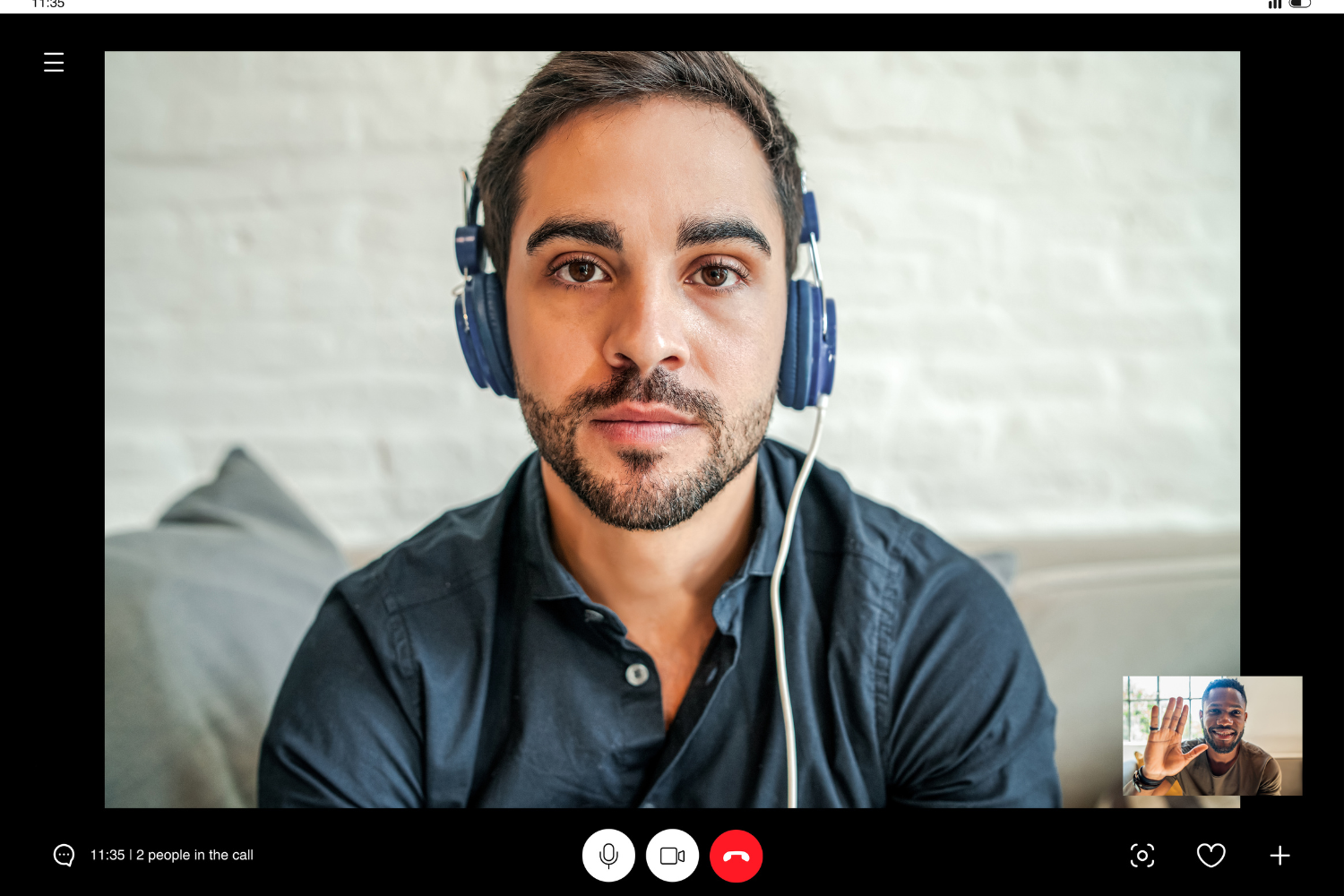
Coaching Filipino employees is not a one-time event but a continuous process supporting improvement and career advancement. Regular feedback helps teams stay focused, engaged, and aligned with business goals.
Weekly check-ins that balance praise and growth
Short weekly check-ins are an effective way to keep Filipino workers motivated while providing space for improvement. These sessions can highlight recent wins and open the door to discussing minor adjustments without pressure. Filipino culture values consistency and strong relationships, and weekly check-ins build both. They also support clear communication and create a safe space for asking questions or sharing challenges.
Monthly reviews that show progress
Monthly reviews allow managers and Filipino employees to track performance over time and adjust goals as needed. This rhythm helps maintain momentum without overwhelming the team. Use the time to highlight progress, revisit improvement areas, and reinforce support. When done right, monthly reviews encourage commitment and help each person feel valued in the organization.
Celebrating small wins to build morale
Small wins deserve attention. Recognizing even minor progress boosts morale, supports a positive work environment, and strengthens teamwork. Filipino employees often thrive when they feel appreciated and part of something meaningful. A quick note of appreciation or a team shoutout can go a long way in reinforcing good habits and increasing productivity.
Tools to track and document feedback over time
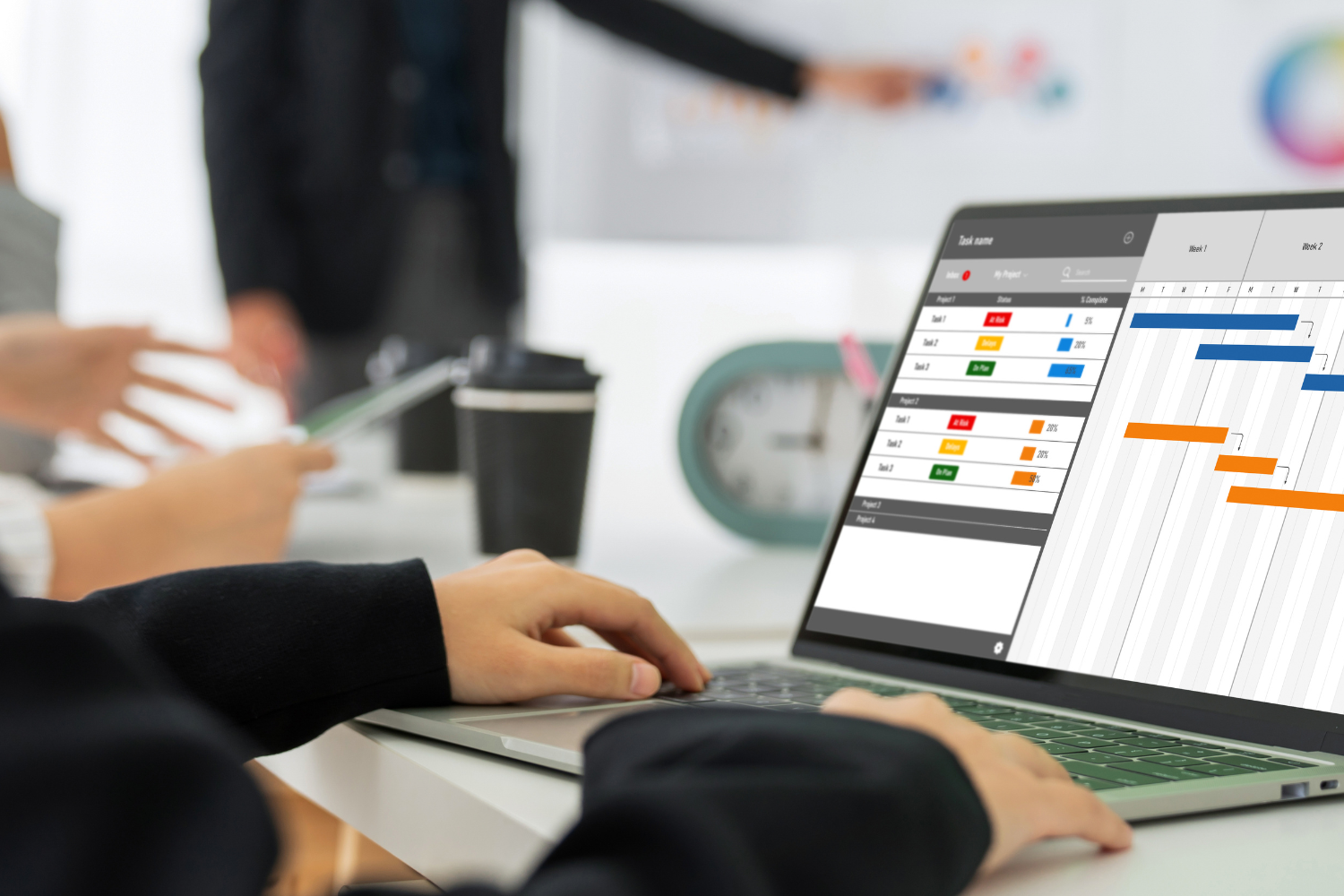
Using the right tools helps leaders stay organized and may help employees better track their growth and progress.
- Notion – Useful for keeping individual performance notes, goals, and action items in one place. It performs reliably on a range of internet speeds and is commonly used in the Philippines, even in areas with inconsistent connectivity.
- Google Sheets – Simple way to log feedback sessions, track metrics, and show progress over time.
- Trello or ClickUp – Great for creating task boards that include status updates and related feedback.
- Loom – Handy for sending short video feedback when you can’t meet live.
- Slack or Viber – Ideal for casual coaching messages, praise, or sharing wins in real-time.
Build a Culture of Growth With a Filipino Feedback Strategy
A thoughtful Filipino feedback strategy can be a game changer for companies managing remote teams in the Philippines. When leaders align their approach with cultural nuances—such as valuing respect, family, and community—they unlock stronger performance, better collaboration, and deeper loyalty.
From private feedback sessions to consistent coaching and morale-boosting wins, every step adds to a positive and productive work culture. Understanding Filipino communication styles and decision-making processes can improve team dynamics and collaboration.
Frequently Asked Questions
How do Filipino employees typically respond to feedback?
They often respond politely and may stay quiet to maintain harmony, even if they need clarification.
What’s the best way to give negative feedback in Filipino culture?
Give it privately, gently, and with specific suggestions for improvement.
Should I give feedback privately or publicly in remote teams?
Private feedback is best for corrections; public praise is great for building morale.
How often should I review performance with Filipino staff?
Weekly check-ins and monthly reviews are ideal for ongoing support and growth.
What’s a good feedback model for offshore teams?
The Empowerment Sandwich—positive start, growth point, and support—works well with Filipino employees.
References
- Asana. (2025). 12 Tips for Effective Communication in the Workplace [2025]. https://asana.com/resources/effective-communication-workplace
- Candelario, C. M. C., Fullante, M. K. A., Pan, W. K. M., & Gregorio, E. R., Jr. (2024). Integrative review of workplace health promotion in the business process outsourcing industry: Focus on the Philippines. Public Health in Practice, 5, 100476. https://doi.org/10.1016/j.puhip.2024.100476
- Cultural Atlas. (2017). Filipino – Communication. https://culturalatlas.sbs.com.au/filipino-culture/filipino-culture-communication
- Jef Menguin. (2022). 30 Filipino Values: Cultural Beliefs that Shape Our Behaviors. https://jefmenguin.com/filipino-values/
- National Commission for Culture and the Arts. (n.d.). a study on filipino values. https://ncca.gov.ph/wp-content/uploads/2021/04/Fil.-Values-Primer-English.pdf
- Philippine Civil Service Commission. (2020). Emotional intelligence is a leadership competency. https://csc.gov.ph/emotional-intelligence-is-a-leadership-competency-csc
- SupportZebra. (n.d.). Understanding Filipino Work Culture. https://supportzebra.com/blog/understanding-filipino-work-culture