

Filipino employee recognition isn’t just a feel-good gesture—it’s a key strategy for improving employee morale, boosting employee engagement, and driving long-term business success. Filipino employees value mutual respect, genuine appreciation, and being recognized for their contributions in ways that align with cultural factors and personal responsibilities.
A strong employee recognition program can help employees feel valued, improve workplace culture, and increase overall productivity. This guide breaks down how to create recognition programs that fit the unique needs of Filipino professionals, helping organizations keep team members motivated, engaged, and aligned with the company’s goals.
Why Recognition Matters in Filipino Work Culture
Recognition efforts are essential in keeping Filipino employees engaged and committed to a company’s goals. Employees who feel valued are more likely to stay motivated, contribute actively, and support a positive workplace culture.
The Importance of Belonging and Group Harmony
In Filipino workplace culture, being part of a team and feeling accepted is just as important as individual achievement. Employees often focus on maintaining group harmony and avoid actions that may disrupt team dynamics.
A good employee recognition program supports this by highlighting how individual efforts support the group’s success. When recognition includes co-workers and reinforces the value of teamwork, it helps strengthen trust, open communication, and overall productivity.
How Public Praise Reinforces Motivation
Public recognition is often an effective motivator among Filipino employees, depending on team culture and individual preferences. They feel seen and respected when team members see their efforts recognized openly—whether in a team meeting, on the company website, or in a group chat.
This boosts employee morale and shows that the company cares about their hard work. Recognition like this motivates employees to keep contributing and encourages others to step up, which supports higher engagement levels and a stronger sense of purpose.
The Link Between Recognition and Long-Term Retention
Recognition is strongly associated with improved employee retention in Filipino teams. Employees who feel valued are more likely to stay with the company, even in the face of better-paying opportunities.
A recognition program that includes simple gestures, public praise, or tangible rewards like flexible work arrangements or gym memberships helps boost morale and job satisfaction. Keeping happy employees means less turnover and more consistent progress toward your organization’s success.

What Makes Filipino Employee Recognition Different?
Strong cultural factors shape employee recognition in the Philippines. Unlike one-size-fits-all programs, recognition systems must match personal values, team dynamics, and a sense of belonging.
Recognition That Feels Personal vs. Generic
Filipino professionals tend to respond well to the recognition that feels sincere and specific. Generic praise like “Good job” may not connect if it lacks details or personal relevance. On the other hand, thoughtful comments that mention exact contributions or tie into the employee’s role make employees feel appreciated and understood. A personal touch helps employees feel their efforts truly matter to the company’s success.
Personal vs. Generic Recognition
| Personal Recognition | Generic Recognition |
|---|---|
| “Your design helped us hit our Q2 campaign goal.” | “Great work, team.” |
| Birthday greeting with a short personal note | Company-wide birthday post with no message |
| Shout-out in a meeting for solving a specific problem | Monthly “Employee of the Month” with no explanation |
| Acknowledging late-night effort to meet a tight deadline | “Thanks for your hard work” without details |
When Public Shout-Outs Help—and When They Don’t
Public recognition can boost employee engagement when done in the right setting. Many Filipino employees enjoy being praised in front of co-workers, especially when tied to clear achievements or the company’s goals. Still, not everyone is comfortable with attention.
Some may feel embarrassed or pressured if recognition is too loud or too formal. It’s essential to match the method to the employee’s personality. Recognition should always support a positive work culture, not create stress or discomfort.

Family and Community Values in Work Performance
Filipino employees often view their job as a way to support their family and community. When companies recognize this connection, they strengthen trust and commitment. Offering rewards like flexible work hours or mental health support shows that the company understands personal responsibilities. These benefits and regular recognition help employees stay motivated, manage work-life balance, and feel that their organization supports their well-being and long-term success.
Types of Recognition That Work Best
Recognition should feel timely, meaningful, and relevant to Filipino employees to boost morale and increase engagement levels. Here are ways to recognize employees who align with Filipino values and remote work setups.
Weekly “Shoutout” Messages and Spotlight Sessions
Regular shoutouts during weekly check-ins or team meetings are simple gestures that keep employees engaged. Recognizing an employee’s hard work with specific examples helps build motivation and creates a culture of genuine appreciation. Spotlight sessions where team members share their recent wins or contributions, recognize efforts and help others stay motivated and aligned with the company’s goals.
Celebrating Birthdays, Anniversaries, and Life Milestones
Many Filipino employees value close-knit relationships at work, which can create a family-like team environment, so remembering personal milestones like birthdays, work anniversaries, or family events builds stronger connections. Recognition efforts that include these dates show that the company cares beyond just work. Simple gestures like a digital card can help reinforce appreciation and support a positive workplace culture.
Small Tokens, Gifts, or Care Packages That Show Appreciation
Tangible rewards like care packages, snacks, or locally sourced items help bridge the distance of remote work and add a personal touch. These don’t need to involve a lot of money spent—small, thoughtful gifts can still show recognition in ways that feel sincere. Items that support well-being, such as coffee gift cards, wellness kits, or even phone credit, go a long way in showing appreciation for employees’ hard work.
Non-Monetary Rewards That Still Feel Valuable
Not all recognition needs to come with a monetary incentive. Flexible work hours, mental health support, or a surprise afternoon off are all examples of non-monetary rewards that matter. These options support work-life balance and help team members feel their contributions are seen and respected. Giving employees choices in how they’re rewarded can also boost job satisfaction and overall productivity.

How to Build a Recognition System for Filipino Remote Teams
A strong recognition program doesn’t run on luck. It needs structure, digital tools, and thoughtful planning to keep employees engaged across distance and time zones.
Create a Consistent Schedule for Recognition
Setting a clear schedule for giving recognition ensures it becomes part of your team’s routine. Weekly or monthly recognition keeps momentum high and helps employees feel that their efforts are being seen regularly. When recognition follows clear guidelines, it becomes easier to manage and more meaningful for employees.
Use Team Channels to Make Wins Visible
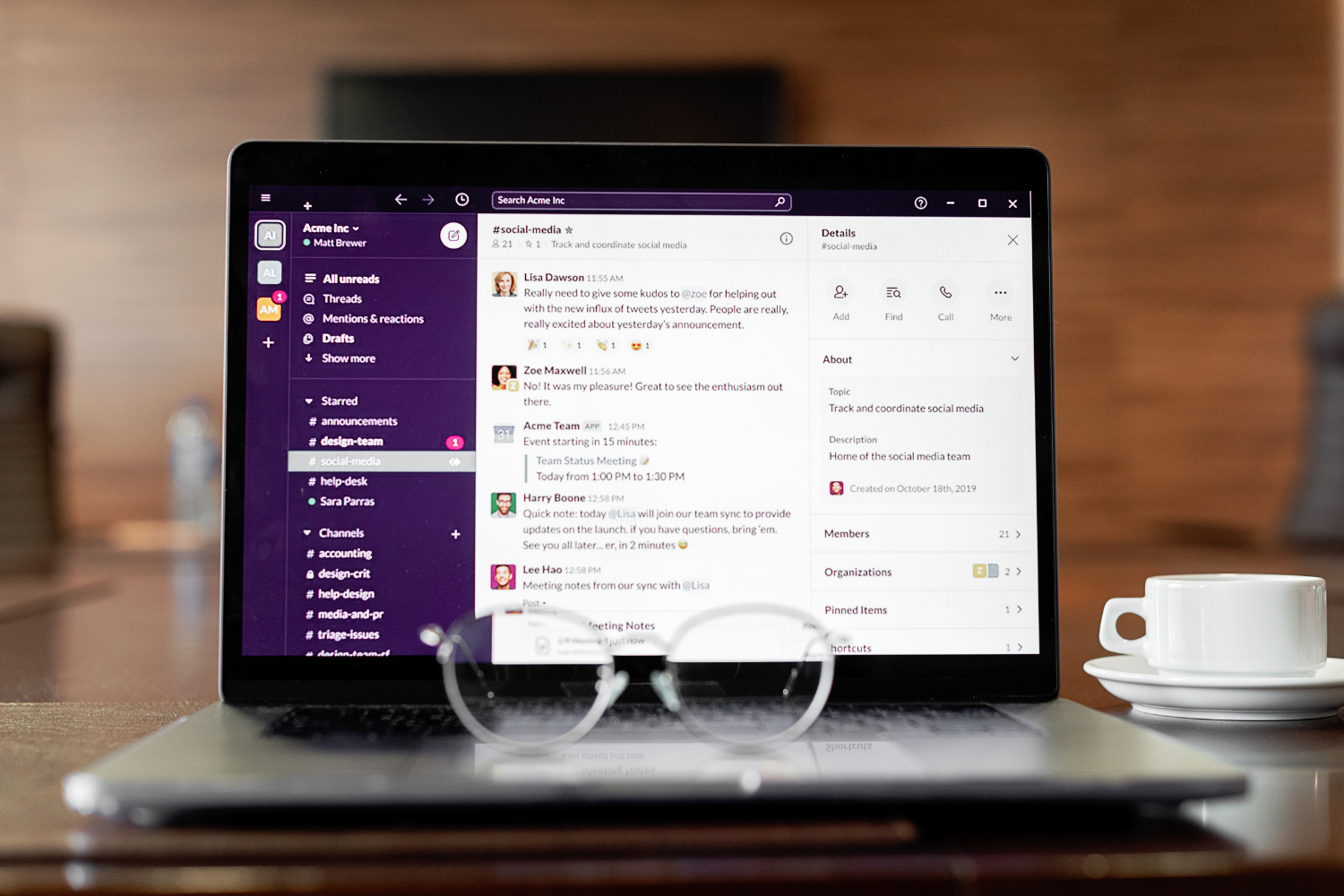
Posting public recognition in team channels—like Slack, Microsoft Teams, or your company website—makes contributions visible across departments. This approach increases engagement levels, helps recognize employees beyond their direct team, and reinforces a company culture of appreciation. Visibility matters, especially in remote work settings where wins can go unnoticed.
Let Peers Nominate Each Other to Encourage Participation
A recognition program with peer nominations creates a culture where co-workers actively appreciate one another. It helps surface contributions that managers might miss and encourages team members to notice each other’s efforts. Peer-driven recognition also makes employees feel like their input matters in building a positive work culture.
Track and Rotate Recognition So No One Feels Left Out
It’s important to monitor who is being recognized to ensure fairness. Repeatedly recognizing the same individuals may lead others to feel overlooked, which can impact engagement. Use a simple tracker to rotate recognition, include new hires early, and adjust your approach based on employee surveys. This keeps everyone motivated, supports employee retention, and helps maintain balanced recognition across your team.
Going Beyond Recognition: Supporting Growth and Development
Recognition doesn’t stop with praise—it also means investing in your employees’ future. Growth opportunities help Filipino employees stay motivated and feel valued over the long term.
How Training and Promotion Paths Show Appreciation
Offering training programs and clear promotion paths shows employees that the company supports their career growth and overall well-being. This kind of recognition boosts employee morale and makes employees feel like they are part of the company’s long-term success. Filipino employees who see a future with the company tend to stay engaged and committed to organizational success.
Setting Up Mentorship and Career Talks
Mentorship programs and one-on-one career talks help team members feel guided, supported, and heard. These sessions create a space for open communication, allow employees to share their goals, and show that leadership cares about their development. Even short, regular check-ins make a difference in keeping employees engaged and connected to the company culture.
Recognizing Not Just Outcomes but Improvement Efforts
Recognition programs often focus only on results, but recognizing effort and progress matters just as much. Filipino employees value being seen for the steps they take to grow, especially when learning new skills or adjusting to challenges. Highlighting improvement efforts encourages continuous learning and supports mental health without putting pressure on perfection.

Recognize in Ways That Matter to Filipino Professionals
Filipino employee recognition is most effective when it reflects personal effort, team culture, and growth goals. From public shoutouts to flexible work arrangements, each gesture helps employees feel valued and supported. A recognition program that includes regular praise, development opportunities, and respect for personal responsibilities not only boosts employee engagement—it also drives business success, improves employee retention, and creates a positive workplace culture rooted in mutual respect and motivation.
Frequently Asked Questions
What types of recognition motivate Filipino employees most?
Personalized praise, growth opportunities, and small rewards show thought and care.
Should I recognize Filipino team members in public or privately?
Use public praise for team achievements but adjust for comfort levels—some may prefer private feedback.
How often should I give recognition to remote Filipino staff?
Weekly shoutouts and monthly highlights keep employees engaged and feeling seen.
What are low-cost recognition ideas that still feel meaningful?
Care packages, flexible work hours, mentorship sessions, and personalized messages.
Does employee recognition help with retention in the Philippines?
Yes, consistent recognition is linked to higher job satisfaction and may help retain top talent over time.
References
- Civil Service Commission. (2018). Strategic Performance Management System (SPMS). https://www.csc.gov.ph/programs/spms
- Ilagan, JRA. (2014). “Bakit Ka Kumakayod?” Developing a Filipino Needs Theory of Motivation. https://www.pap.ph/assets/files/journals/bakit-ka-kumakayod-developing-a-filipino-needs-theory-of-motivation.pdf
- Labor Law PH. (2025). Flexible Work Arrangements. https://laborlaw.ph/flexible-work-arrangements/
- Philippine Statistics Authority. (n.d.). Decent Work Statistics – Philippines – OpenSTAT. https://openstat.psa.gov.ph/Featured/Decent-Work-Statistics-Philippines
- SupportZebra. (2023). Understanding Filipino Work Culture. https://supportzebra.com/blog/understanding-filipino-work-culture