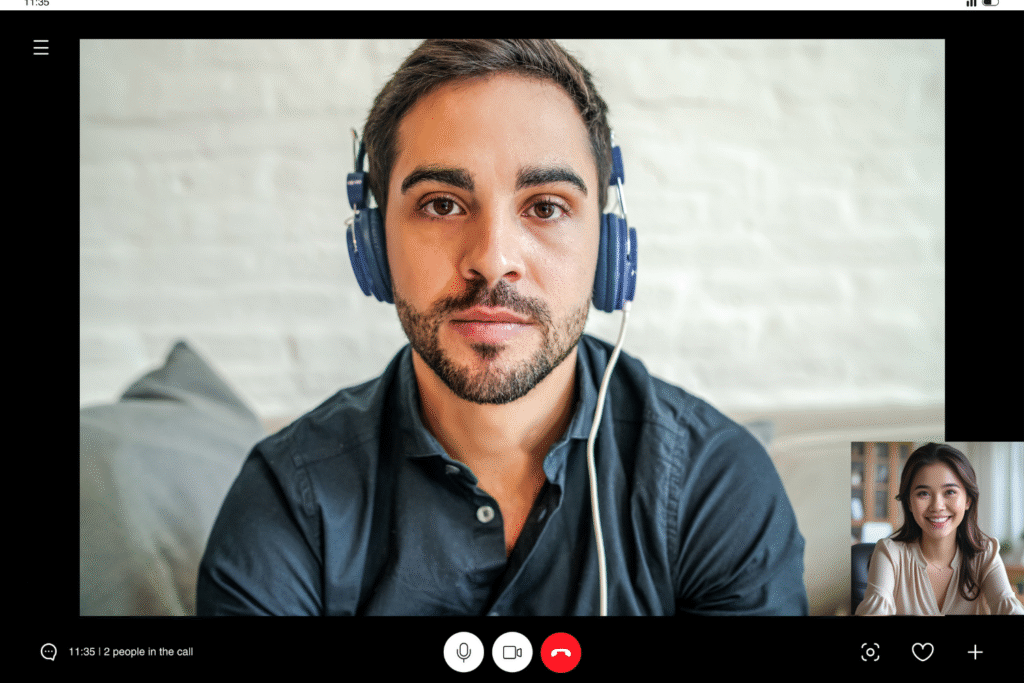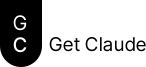

Working with teammates from different countries can create unseen challenges. In global teams, especially those with Filipino remote staff, people often bring different ideas about respect, feedback, and how to communicate clearly. What seems polite in one culture might sound vague in another. These mismatches can lead to cultural misunderstandings that may affect collaboration, trust, or team morale.
Companies that take the time to understand these differences and build systems that support clarity and respect can prevent problems before they begin. This article explores real situations and practical tools to help teams handle cultural issues without losing momentum.
What Causes Cultural Misunderstandings in Remote Teams?
Working across time zones and cultures can blur expectations and create confusion. Many conflicts in diverse teams start not with big disagreements but with smaller misunderstandings that go unnoticed.
Hidden values that shape workplace behavior
What people believe about leadership, teamwork, or recognition often comes from cultural values learned early in life. For example, Filipino professionals may avoid standing out to preserve team harmony, while Western coworkers might see that as disengagement.
In some workplace settings influenced by Thai or Chinese culture, being too direct may be viewed as disrespectful. These quiet norms influence how team members speak, respond to tasks, or react to authority. Managers who miss the meaning behind these behaviors can make wrong assumptions and create tension.
Communication differences that lead to confusion
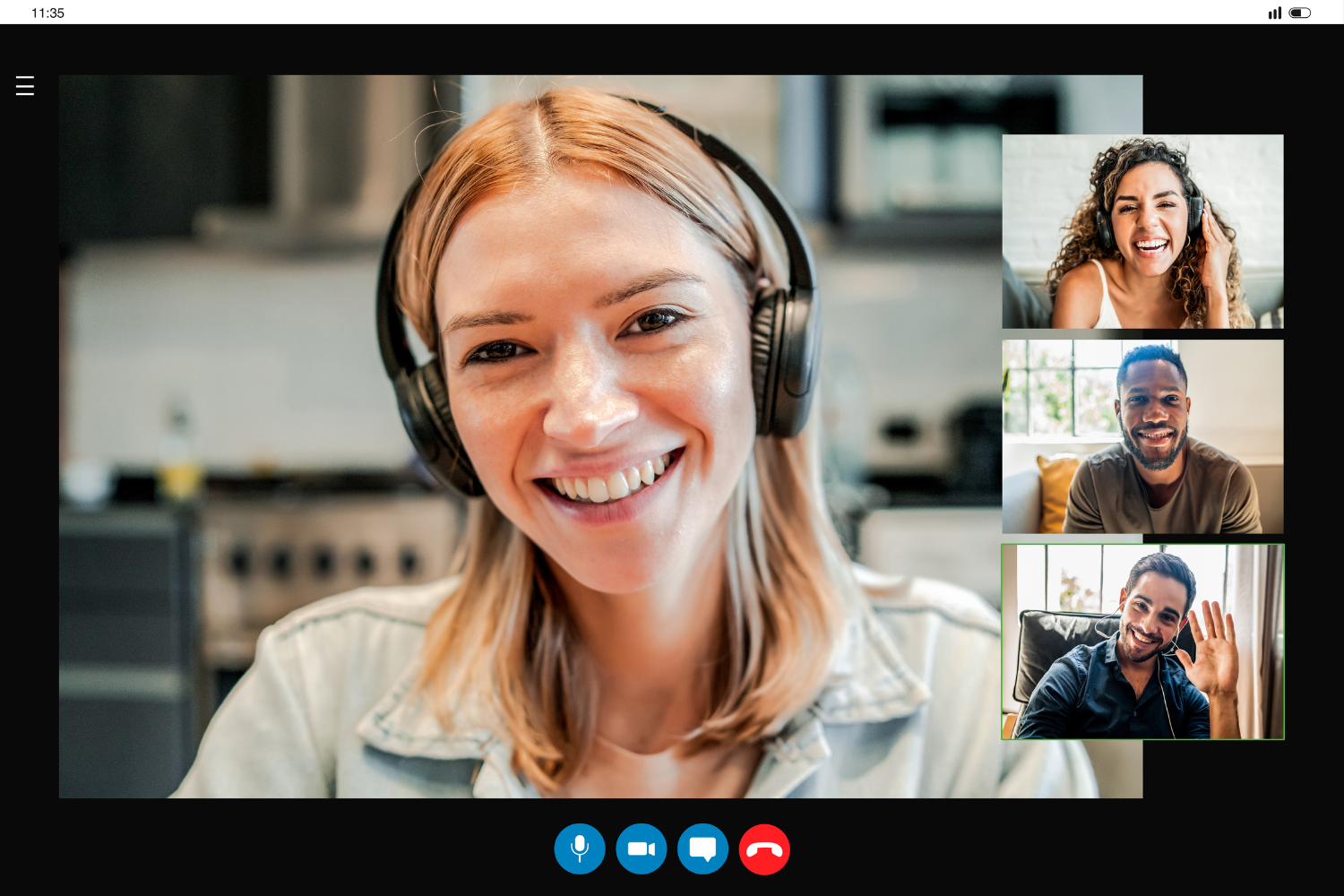
Language is only part of how people communicate. One person’s “yes” might mean “I understand,” not “I will do this.” In virtual meetings, that gap widens when tone or facial expressions are missed.
Teams that rely only on direct speech may miss the polite signals used in other cultures. Without clear definitions or examples, a message can be interpreted in several ways, causing a mix of frustration and unmet expectations.
Why tone and timing matter more across cultures
Sometimes, it’s not what you say but how and when you say it. Some cultures expect quick responses and direct feedback. Others might prefer reflection or a softer tone. A firm voice might be normal for one team member but feel harsh to someone from a more indirect culture.
Even sending messages outside of work hours can unintentionally show a lack of boundaries. These small, time-related behaviors, when misunderstood, can erode trust.
Signs That a Cultural Misunderstanding Is Happening
Problems often start quietly. Leaders and teammates need to recognize the small clues that something deeper is going wrong.
Behavioral red flags to watch for
When team dynamics shift, look for signs that could point to cultural friction. Some of these behaviors may seem like personal issues, but they can stem from deeper misunderstandings:
- Team members nod during meetings but miss key tasks
- Project updates slow down without an apparent reason
- Colleagues avoid bringing up problems or giving input
- Eye contact or camera use drops suddenly in virtual meetings
- Tension builds between people from different cultural backgrounds
How silence, hesitation, or politeness can hide problems
In some cultures, especially in Asia, being overly direct can come off as rude. Silence might be a polite way to disagree, and hesitation can mean uncertainty—not agreement.
These subtle responses can go unnoticed if a team doesn’t recognize them as signals. Without cultural sensitivity, decisions based on unclear agreement may lead to unmet expectations.
When misunderstandings turn into morale issues
If team members feel misunderstood or pressured to fit into another culture’s way of working, morale can drop. Employees might pull back, stop offering ideas, or even consider leaving.
These aren’t isolated incidents—they often reflect a larger issue with how differences are handled. Organizations that overlook cultural awareness may risk challenges in productivity and trust.

How to Address Cultural Misunderstandings the Right Way
The way you respond to conflict matters more than the conflict itself. A thoughtful approach shows respect and keeps teams working well together.
Why private, respectful conversations work best
Public correction can cause shame or loss of face in many cultures. A one-on-one talk makes space for honesty and allows both people to listen without feeling judged. In Filipino culture, for instance, this approach builds comfort and encourages openness. Private conversations keep dignity intact while making room for growth.
The BRIDGE framework for prevention and resolution
The BRIDGE framework gives leaders a simple process for avoiding and solving problems rooted in cultural differences. It includes: setting Baselines, holding Regular check-ins, Verifying understanding, using Documentation, modeling a Growth mindset, and showing Empathy. These steps help remove the guesswork and support smoother team interactions across cultures.
How to turn conflict into connection
When approached thoughtfully, misunderstandings can sometimes lead to stronger connections. A disagreement that sparks curiosity instead of blame helps teams grow. When managers frame mistakes as learning opportunities—and show cultural competence in their response—employees feel safer and more valued. This shift turns tension into trust.

Tools That Help Prevent Future Misunderstandings
Strong teams use clear systems—not just good intentions—to avoid confusion. These tools help teams from different cultures work together with fewer surprises.
Cultural onboarding and style guides
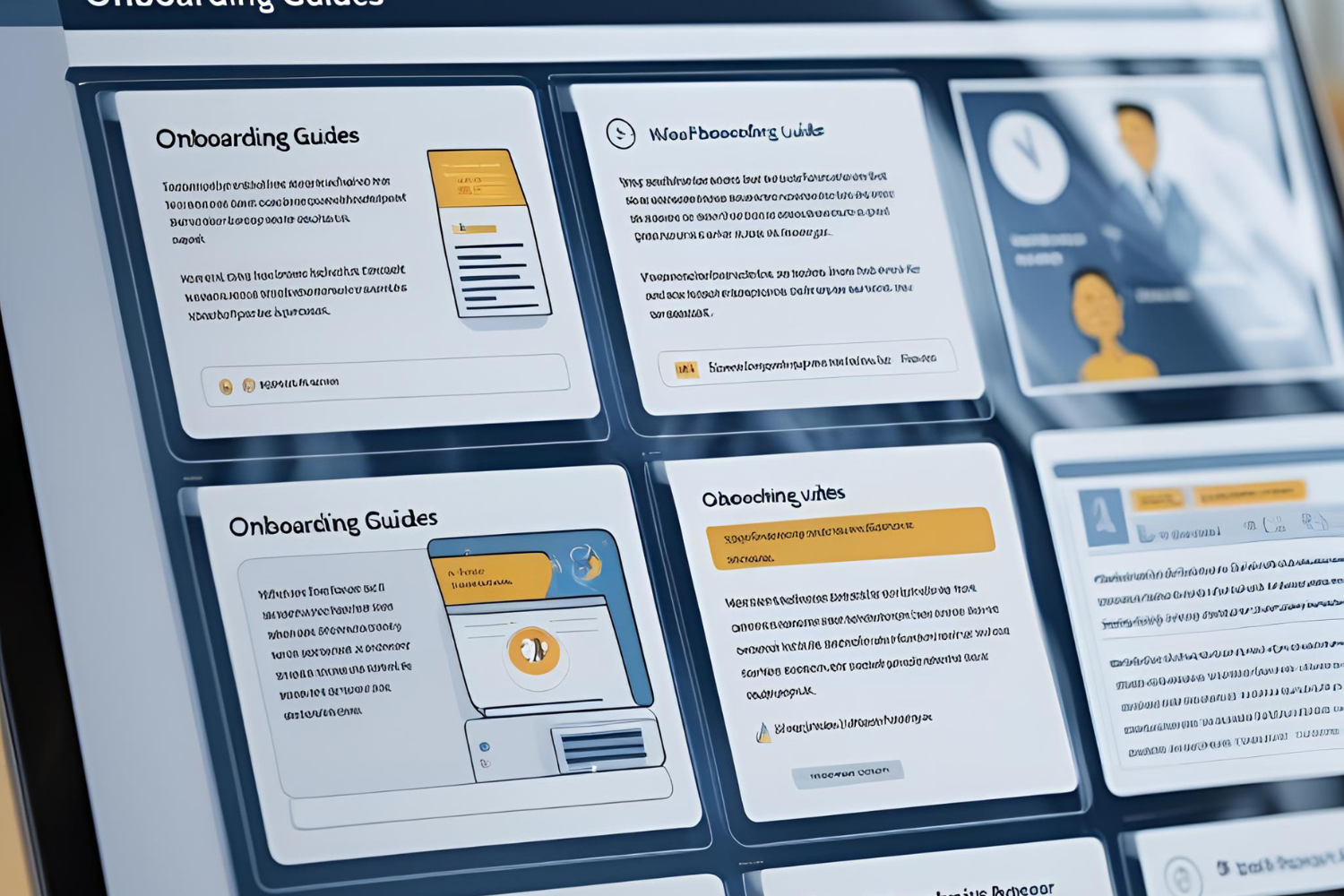
Starting with shared understanding is key. Cultural onboarding introduces team members to important behaviors, work expectations, and feedback styles. A simple guide that explains communication preferences, holidays, or common cultural norms—like the importance of saving face—can prevent problems early. These resources can support understanding and respectful interaction across different cultures.
Documentation templates that reduce assumptions
Written guides and templates create shared clarity. When everyone follows the same format, there’s less guessing and fewer missed details.
| Template Type | Purpose | Why It Helps Across Cultures |
|---|---|---|
| Task Brief Template | Lists project details, due dates, and needed outcomes | Avoids vague instructions that may confuse other cultures |
| Feedback Summary Template | Records comments and next steps from 1:1 conversations | Reinforces feedback in writing to avoid misread tone |
| Meeting Recap Template | Summarizes key points, decisions, and assignments from meetings | Keeps everyone aligned, especially in virtual meetings |
| Cultural Guide Template | Outlines key cultural behaviors, norms, and preferences | Builds awareness of different communication styles |
| Decision Log Template | Tracks decisions made and reasons behind them | Brings transparency across diverse perspectives |
Team norms that honor all voices
Shared rules should support open communication without forcing one culture’s style on everyone. Teams can rotate who leads meetings, offer time for written input, or use anonymous feedback.
These habits ensure that quieter team members, or those from more reserved cultures, still have space to contribute. Inclusive norms help different voices feel heard and respected.
Real Examples of Misunderstandings—and How They Were Fixed
Even well-run teams encounter cultural confusion. These short examples show how smart leaders turned tension into teamwork.
The indirect “yes”: What it really means
A manager asked a Filipino team member to meet a tight deadline. The team member said, “Yes, I’ll do my best,” but the task wasn’t completed on time. Instead of showing frustration, the manager followed up with, “What would help you meet this deadline?” That question revealed hidden concerns, and the team now uses more open-ended check-ins to avoid similar issues.
When initiative feels like overstepping
In one case, a team member from the U.S. suggested process changes that were seen as disrespectful by colleagues in a culture that values hierarchy.
Once the manager introduced a decision-making chart that showed where suggestions were welcome, the friction stopped. The team felt clearer and more confident about when to speak up.
Misread feedback and performance gaps
During a group call, a manager gave direct feedback that was meant to be helpful. The employee, from a culture where feedback is expected in private, shuts down emotionally. After shifting to one-on-one reviews and using more balanced language, the employee became more engaged and open to feedback.

Protecting Team Morale During and After Conflict
Team morale can bounce back from cultural misunderstandings—but only if the conflict is handled with care.
Should you address issues publicly or privately?
Private conversations are often more effective in preserving trust. They avoid embarrassment and give team members space to explain themselves without fear. In cross-cultural teams, this approach feels safer and more respectful.
How recognition helps restore balance
Positive recognition after a conflict reminds team members that they are still valued. This matters even more in cultures where loyalty, family, and group belonging are essential. Recognizing progress—rather than just success—helps rebuild emotional connection.
Creating shared learning moments from mistakes
When leaders talk openly about what was learned from a misunderstanding, it sends a strong message. It shows the team that mistakes can lead to growth, not punishment. These moments may contribute to a more open team culture and reduce anxiety around cultural missteps.
Solving Misunderstandings Without Losing Your Team
Solving cultural misunderstandings isn’t about preventing all conflict—it’s about responding with clarity, empathy, and structure. Strong teams don’t just bounce back from missteps; they learn from them. When leaders build systems that support awareness and communication across cultures, they keep morale strong and prevent small issues from becoming big problems.
Frequently Asked Questions
What is an example of a cultural misunderstanding at work?
A team member says “yes” to avoid conflict but actually disagrees or needs help—leading to missed expectations.
How can I avoid cultural misunderstandings in remote teams?
Use clear communication systems, respect cultural differences, and confirm understanding in more than one way.
What’s the best way to give feedback across cultures?
Give feedback privately, use kind language, and follow up in writing to make sure the message is clear.
How do I know if a problem is cultural or personal?
Look for patterns across people from the same cultural background, then check if the issue ties to shared norms.
Can misunderstandings permanently hurt team morale?
Yes, if ignored—misunderstandings can damage trust, but respectful resolution can restore and even improve morale.
References
- Aririguzoh, S. Communication competencies, culture and SDGs: effective processes to cross-cultural communication. Humanit Soc Sci Commun 9, 96 (2022). https://doi.org/10.1057/s41599-022-01109-4
- Global Affairs Canada. (2024). Intercultural effectiveness program. https://www.international.gc.ca/global-affairs-affaires-mondiales/services/cfsi-icse/programs-programmes/intercultural-interculturelle.aspx?lang=eng
- Leong, S., Eom, K., Ishii, K., Aichberger, M. C., Fetz, K., Müller, T. S., Kim, H. S., & Sherman, D. K. (2022). Individual costs and community benefits: Collectivism and individuals’ compliance with public health interventions. PloS one, 17(11), e0275388. https://doi.org/10.1371/journal.pone.0275388
- The Culture Factor Group. (n.d.). Intercultural Management. https://www.theculturefactor.com/intercultural-management
- U.S. Department of State. (2016). Communicating Across Cultures (MQ802). https://2009-2017.state.gov/m/fsi/tc/fslstraining/c48107.htm