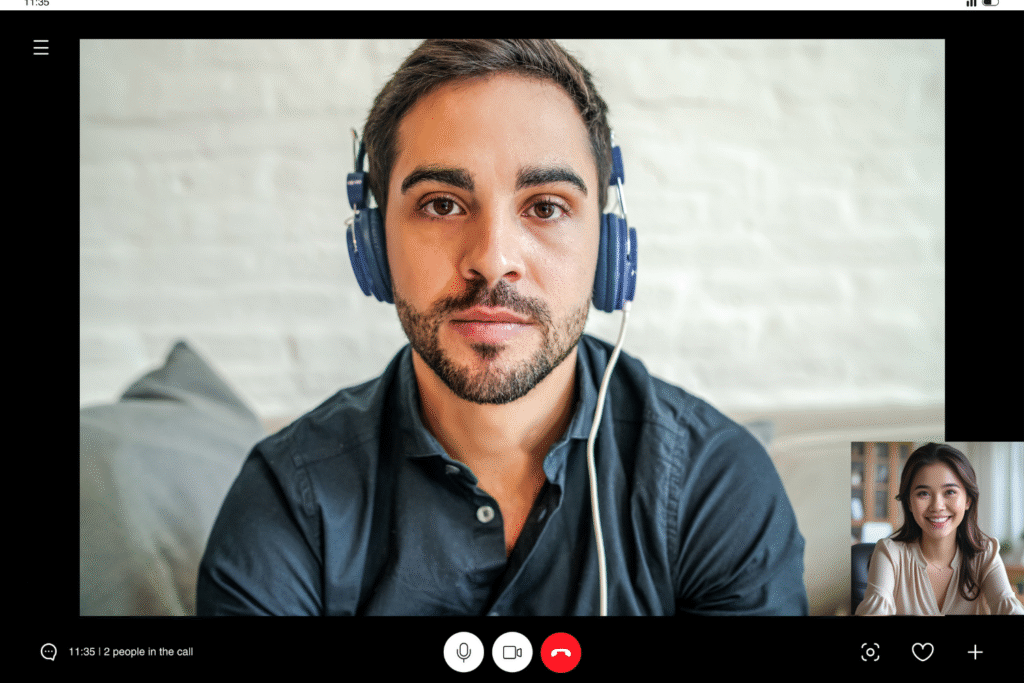

Communication gaps often occur in global teams due to differences in language, culture, and communication styles. In Filipino work environments, indirect language, group harmony, and sensitivity to authority are crucial in how team members communicate.
These cultural nuances can lead to frequent misunderstandings, wasted time, and missed messages if not addressed. This guide will help you identify common communication issues, understand the root causes, and bridge communication gaps with Filipino remote workers using proven practices that lead to a more positive and productive workplace.
What Causes Communication Gaps With Filipino Teams?
Communication gaps with Filipino teams often occur due to cultural differences in how people communicate and respond at work. Language is only part of the challenge—tone, body language, and the intended message can get lost across cultures.
Filipino team members may choose silence or indirect replies to maintain harmony, which can lead to confusion when managers expect direct answers. These patterns can hinder communication and result in common communication gaps that affect productivity, create misunderstandings, and slow down the flow of essential information in a workplace.

How Do Filipinos Typically Communicate at Work?
Filipinos often use indirect communication styles to avoid conflict, protect relationships, and show respect. In some cases, a “yes” may reflect acknowledgment rather than agreement or full understanding, depending on the context and relationship.
Silence may be used to avoid disagreement or discomfort, not because everything is clear. These cultural nuances can lead to poor communication if managers misread facial expressions, assume understanding too quickly, or don’t recognize when a gap is forming in the communication process.

How to Ask Questions That Get Honest Answers
To improve communication and receive feedback that reflects the real situation, it’s important to ask questions that go beyond yes or no. Open-ended and process-based questions allow employees to share concerns, raise issues, and explain what’s happening. This approach helps resolve communication gaps before they affect team productivity and helps team members feel safe to speak honestly.
Try these question swaps to encourage clarity and feedback:
- Instead of “Do you understand?” → “How do you plan to start this task?”
- Instead of “Can you meet the deadline?” → “What challenges do you see with this timeline?”
- Instead of “Is everything okay?” → “What would help you move forward more smoothly?”
- Instead of “Any questions?” → “Which part feels unclear or tricky to you right now?”

How to Give Feedback That Doesn’t Cause Embarrassment
Giving feedback in Filipino work environments requires care and respect to avoid embarrassment or loss of face. Many employees may feel uncomfortable when criticism is delivered in public or too directly.
To improve communication, use the feedback sandwich: start with a positive point, share the area for improvement with context, and end with encouragement. Delivering feedback in a private setting also helps maintain trust and supports a more positive and productive workplace.
Tools to Encourage Feedback Without Fear
- Private 1-on-1 meetings
- Anonymous feedback forms using Google Forms or SurveyMonkey
- Slack channels for open dialogue and clarification
- Feedback templates that guide respectful responses
- Scheduled feedback sessions to keep employees informed

What Tools Can Improve Team Communication?
The right tools can support clearer communication and help teams stay more aligned. Using chat, video, and documentation tools ensures that critical updates reach everyone in a timely and clear way.
Best Chat Apps for Nuance and Relationship-Building
Chat tools that allow informal conversation and cultural expression help build trust and reduce communication problems. These apps support body language cues like emojis and offer space for quick, clear messages.
- Slack
- Microsoft Teams
- Google Chat
- Discord (for more casual teams)
Asynchronous Tools for Better Understanding
Asynchronous communication gives employees time to process information and respond thoughtfully. This improves clarity and helps avoid frequent misunderstandings caused by rushed replies or unclear directions.
- Loom (video explanations)
- Vidyard
- Email with clear formatting
- Project management comments in tools like ClickUp or Asana
Structured Documentation for Clear Expectations
Documenting expectations in a shared platform helps reduce communication challenges across time zones and work environments. It makes sure essential information is always accessible. Clear documentation allows employees to review steps, understand goals, and avoid wasted time.
It also supports company-wide communication standards by making critical information easy to find, especially in large organizations. Use visuals, timelines, and simple wording to avoid confusion caused by technical jargon or unclear instructions.

How Can You Reduce Misunderstandings Day to Day?
Small changes in daily habits can lead to better communication and fewer mistakes. Here are three strategies that help keep everyone on the same page.
Clarify Tasks Using Rephrasing and Restating
After assigning a task, ask the person to restate the instructions in their own words. This helps confirm the intended message and prevents errors caused by assumptions. Rephrasing helps identify communication gaps early and ensures the message was clearly received.
Use Written Follow-Ups After Meetings
Verbal discussions are often forgotten or misinterpreted. Sending written follow-ups summarizing decisions, deadlines, and next steps gives everyone a reference. These summaries can help improve communication and support better project tracking.
Set Up a Safe Space for Clarification Questions
Some employees hesitate to ask questions in public. Create a private channel or open forum where they can seek help without fear. This encourages feedback and gives people access to the support they need to stay productive. It also helps resolve communication gaps before they grow.
Real-World Communication Fixes That Worked
Here are real examples of how companies reduced confusion, improved communication, and boosted productivity by changing their approach.
Case Study: Decreasing Misunderstandings With Better Task Briefs
One startup added short written briefs to each new task. These included background, goals, and expected outcomes. This helped team members better understand expectations and reduced the need for additional clarification in some cases. This change was associated with fewer follow-up questions and clearer task execution among team members.
Example of Improving Project Outcomes Through Check-Ins
A digital agency started holding short weekly check-ins to catch early signs of confusion. Team members used the time to update progress, ask questions, and clarify issues. These sessions supported better alignment and communication, which helped reduce potential misunderstandings.
How One Business Changed Its Messaging Style
After noticing poor communication across departments, a mid-sized company replaced vague directions with plain language and direct instructions. Managers stopped using technical jargon and began using bullet lists and visuals to support key messages. This shift made it easier for employees to grasp critical information and may have contributed to fewer repeated tasks.
How to Build Long-Term Communication Habits
Creating lasting change in how teams communicate requires consistency and shared effort. These strategies will help your organization maintain strong habits that support clarity, trust, and productivity.
Establish Shared Communication Norms
Set company-wide communication standards that explain how, when, and where to communicate. Agree on tools, response times, and how to share critical updates. These norms help reduce confusion, improve communication, and ensure essential information doesn’t get lost across large organizations or teams.
Run Culture-Focused Training Sessions
Hold regular training sessions that teach employees how cultural nuances affect communication. Use real examples, interactive activities, and language support to help your team understand the importance of clarity and tone. These sessions help employees develop the skills needed to resolve communication gaps and lead in diverse work environments.
Recognize Improvements in Communication Efforts
Highlight and reward positive changes in how team members communicate. Recognizing progress—such as asking better questions, improving clarity, or helping others understand messages—boosts morale and reinforces shared goals around communication development.

Clearer Communication, Stronger Teams
To bridge communication gaps with Filipino remote workers, start with understanding how culture shapes communication styles and expectations. Focus on simple steps that improve daily habits, like asking better questions and using written follow-ups.
Over time, consistent feedback systems, shared tools, and a respectful approach will create a good communication flow across your team. These steady improvements contribute to stronger connections, better team communication, and a more productive workplace.
Frequently Asked Questions
Why do Filipino remote workers hesitate to speak up?
They may fear causing embarrassment, disrupting group harmony, or appearing disrespectful.
How do I know if my instructions were clearly understood?
Ask team members to restate the task or process in their own words.
What communication tools are best for Filipino teams?
Use a mix of Slack, Zoom, and Notion to support clarity, context, and relationship-building.
How do I correct mistakes without causing embarrassment?
Give feedback privately using a respectful tone and the feedback sandwich method.
What’s the best way to build trust through communication?
Be consistent, encourage feedback, and show empathy when sharing critical information.
References
- Cultural Atlas. (2017). Filipino – Communication. https://culturalatlas.sbs.com.au/filipino-culture/filipino-culture-communication
- Ilag, B. (2021). Tools and Technology for Effective Remote Work General Terms. http://dx.doi.org/10.5120/ijca2021921109
- Indeed. (2025). How To Give and Take Constructive Criticism (With Examples). https://www.indeed.com/career-advice/career-development/constructive-criticism
- Indeed. (2024). 4 Examples of Cultural Differences in the Workplace for Managers. https://www.indeed.com/recruitment/c/info/cultural-differences
- Indeed. (2025). 18 Tough Open-Ended Questions (And How To Answer Them). https://www.indeed.com/career-advice/interviewing/tough-open-ended-questions