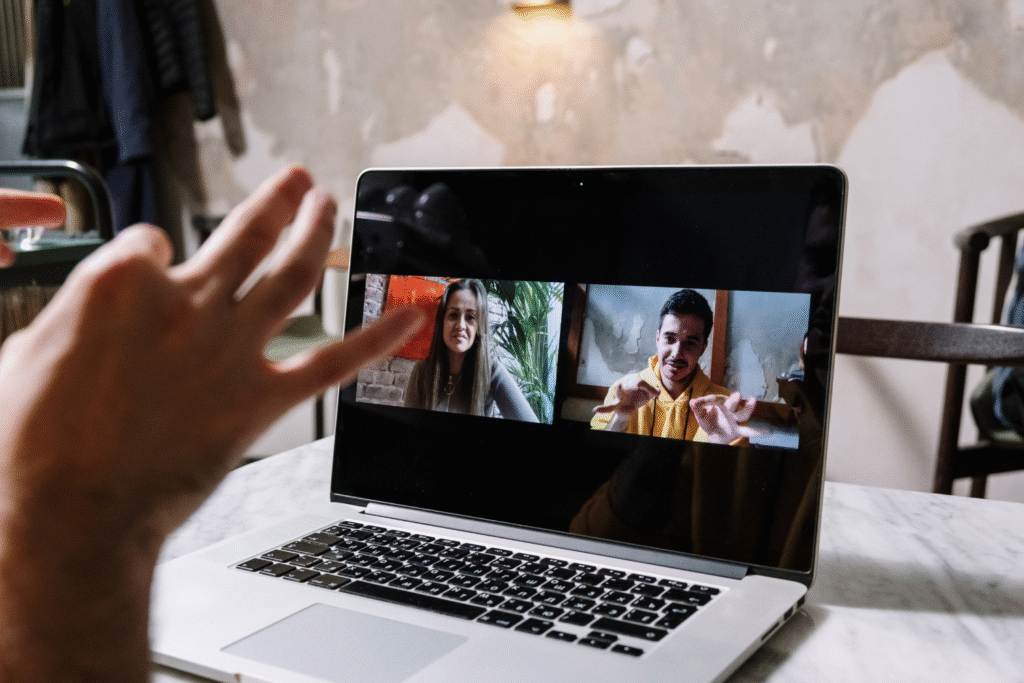

Culture day activities offer more than a fun break—they’re a chance for remote teams to connect in ways that chat messages and status updates can’t. When team members celebrate cultural diversity, share their own cultural heritage, and explore traditions from other countries, bonds grow stronger. This is especially true for Filipino remote professionals, whose values often center on community and shared experience.
Culture days invite people from different cultures to engage in storytelling, try cultural foods, and reflect on what brings them together. These shared moments often help build trust across distance and time zones.

Why Culture Days Help Remote Teams Feel Connected
Not every team gets to work side by side, but that doesn’t mean they can’t feel close. Consistent, well-designed cultural activities help bridge the emotional distance common in remote work.
The Importance of Shared Experiences in Virtual Teams
Working from different parts of the world often limits how people interact. Sharing cultural traditions through fun, creative experiences gives team members something to talk about beyond tasks.
These shared events help teams bond through laughter, curiosity, and a better understanding of what makes each person unique. When participants learn from one another’s backgrounds, it creates a sense of community.

How Culture Day Activities Reduce Isolation and Build Trust
Being remote can feel lonely, especially for those in countries with different customs or time zones. Culture day activities are open spaces for people to share personal information, like a favorite meal or a local holiday.
Small moments like these help others see the person behind the screen. The result? Stronger trust and a more welcoming team environment.
Why Cross-Cultural Connection Improves Productivity
Knowing how someone sees the world makes collaboration smoother. Understanding the cultural significance behind how people communicate or manage work can prevent confusion. Teams that respect diverse cultures may communicate more openly and avoid some common misunderstandings that slow progress.
Planning Culture Day Activities That Actually Work
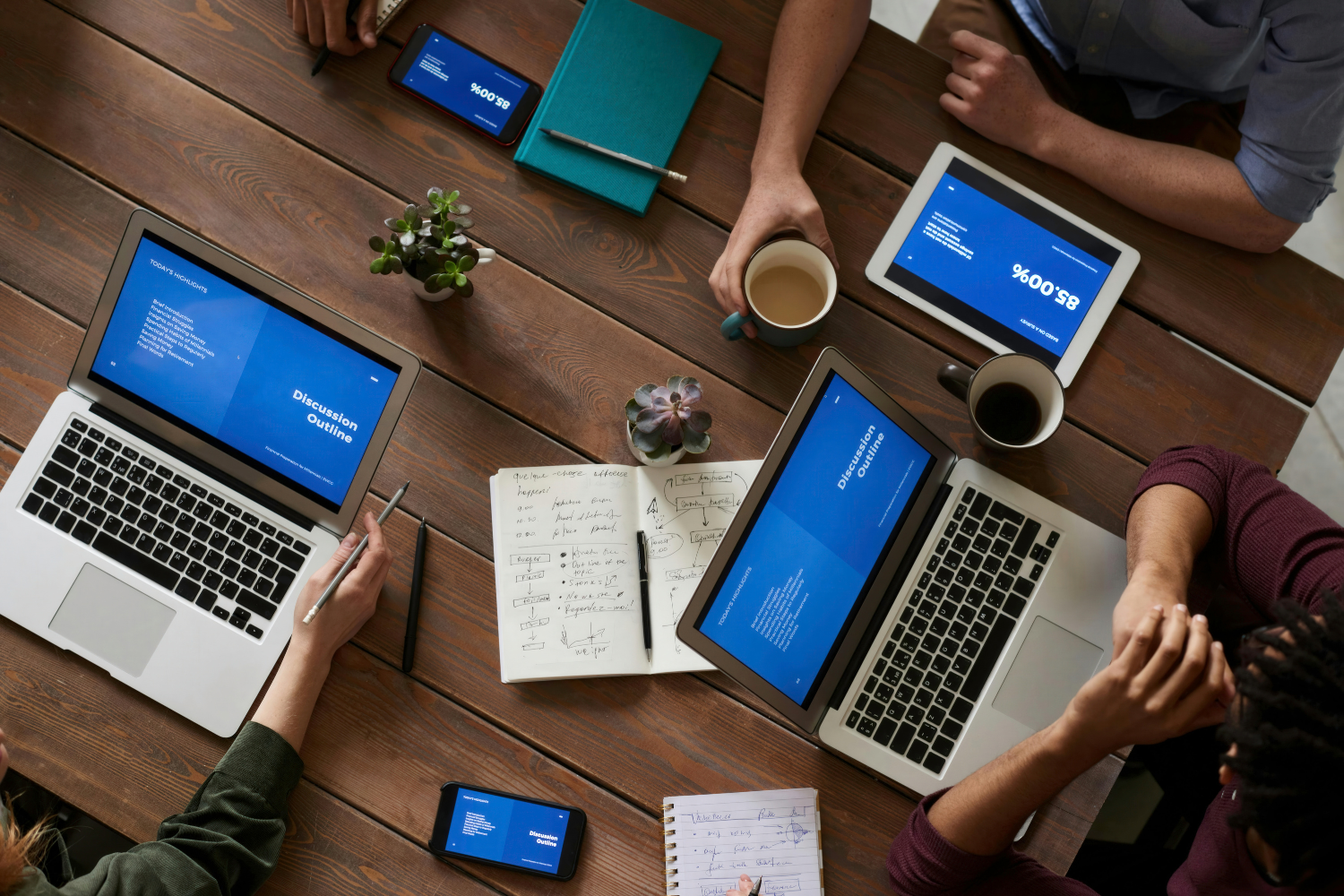
Fun doesn’t happen by accident. For culture day activities to bring real value, they need structure, input from the team, and a plan that respects everyone’s time and culture.
How to Choose the Right Format for Global Teams
Some teams love live video calls. Others prefer sharing photos or short clips that teammates can view anytime. When selecting a format, think about your team’s location, access to tech, and comfort level with personal sharing. Flexibility matters more than flash.
Tips for Scheduling Across Time Zones
Coordinating across countries means being intentional. It’s not just about picking a time—it’s about making sure the right people can show up and enjoy the experience.
- Rotate event times so no one’s always adjusting
- Offer both live and recorded formats when possible
- Use tools like World Time Buddy to find shared windows
- Share highlights afterward for those who can’t attend
- Avoid scheduling near regional holidays or high-stress deadlines
Involving Your Team in the Planning Process
People are more likely to show up and engage when they help shape the event. Ask the team what cultural activities they want to see. Invite them to host or share something personal. Including ideas from multiple cultures helps everyone feel seen—and turns the event into something more meaningful than just another calendar item.
Top Culture Day Activities for Filipino and Global Teams
Not all teams enjoy the same thing. The best activities are simple, flexible, and focused on human connection—not presentation.
Virtual Salu-Salo (Shared Meals and Local Dishes)
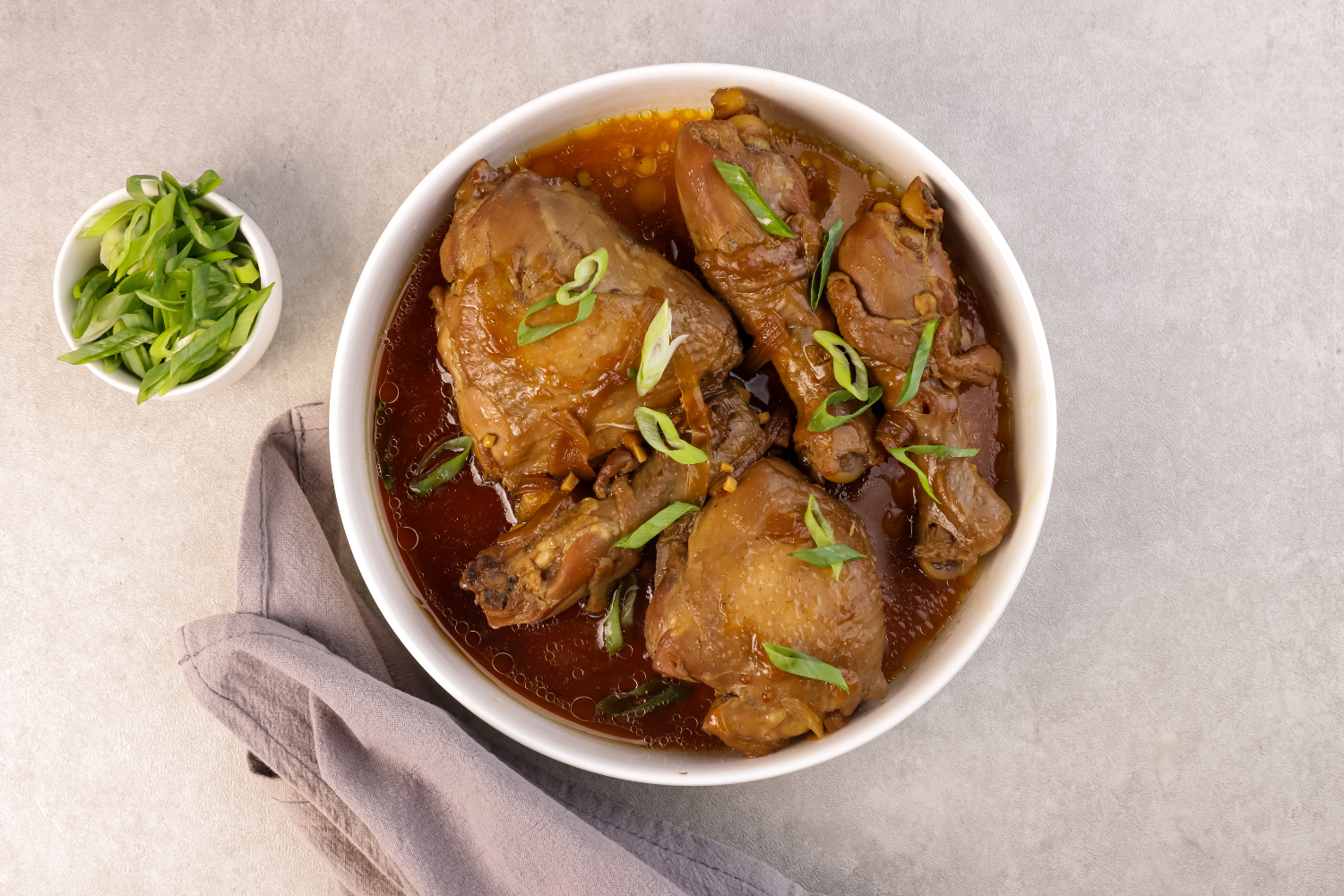
Food creates connection fast. A virtual salu-salo invites team members to bring a dish from their own cultural heritage and tell the story behind it. Some show family recipes, and others explain holiday foods. These moments help celebrate cultural traditions while creating space for laughter, curiosity, and respect.
Local Tour Show-and-Tells or Home Town Spotlights
Ask one person each quarter to give a mini-tour of their hometown using photos or a short video. People often enjoy sharing parks, street markets, or even traffic scenes. These spotlights offer a glimpse into life in a different country and help the team understand everyday life beyond work.
Talent Showcases, Games, and Photo-Sharing Projects
Give people room to express themselves. Some teams organize talent shows or play traditional games together. Others share art, music, or local crafts tied to multicultural holidays. You might even create multicultural decorations together or start a photo contest where people post snapshots tied to a theme—like “a street scene near me” or “my region’s colors.”

Digital Tools to Make Culture Days Fun and Seamless
The right tools make culture day activities easier to run—and more fun to attend. They help teams create, connect, and share across time zones and internet speeds.
Platforms for Live Events, Games, and Virtual Rooms
Gather, Teamflow, and Kumospace are great choices for Culture Day celebrations. These platforms let people move around virtual rooms, chat in small groups, or even host dance sessions. They’re especially useful for teams who want something more relaxed and social than a video call.
Using Slack, Zoom, and Miro for Real-Time Interaction
You don’t need fancy tools to create a cultural connection. Slack can be used for storytelling, photo sharing, and community-building channels. Zoom helps teams celebrate with face-to-face chats, while Miro offers a creative space to build world maps, timelines, or digital posters that reflect various cultures and holidays.
Easy Ways to Collect and Share Media Across the Team
Teams often want to share moments after the event ends. Here are simple ways to collect and organize cultural contributions:
- Set up a shared folder in Google Drive with labeled subfolders
- Use Padlet to create a visual wall of cultural storytelling and images
- Invite people to post regional music in a collaborative Spotify playlist
- Build a slideshow or mural using Canva or Google Slides
- Organize shared contributions into a Trello board for easy browsing
Case Studies: Culture Days That Transformed Team Dynamics
Culture day activities can shift a team’s energy. Below are real examples of how remote teams used simple tools and ideas to create stronger bonds.
How One Team Used Music and Meals to Spark Connection
A distributed software team hosted quarterly salu-salos, pairing local meals with personal music selections. Each person shared the cultural background of their food and explained what the music meant to their region. These small stories helped people open up and created conversations that lasted beyond the meeting.
The Impact of Photo Contests and Neighborhood Tours
Another team launched a photo-sharing contest with a new theme each quarter—“something local,” “a family tradition,” or “favorite cultural activity.” Paired with short hometown videos, these gave the team a closer look into daily life across different countries. It helped them celebrate cultural diversity through real, lived examples.
Real Results: Better Engagement, More Collaboration
After two culture day events, one team reported feeling more comfortable sharing ideas and noticed more active participation. People asked more questions, joined side chats, and even launched their own informal storytelling sessions. Leaders found that these activities gave them better insight into team dynamics and helped teach children of remote workers about other cultures at home, too.

Build Cohesion With Every Culture Day
Culture day activities can help build habits of listening, sharing, and respect. When done regularly, they reduce tension, improve communication, and help teams feel like a true community—despite the distance.
These events give people a chance to represent their culture, explore the traditions of others, and stay engaged in a team that truly celebrates diversity. With creativity, planning, and clear goals, every culture day becomes an investment in team trust and long-term success.
Frequently Asked Questions
What are good activities for remote culture days?
Photo sharing, talent showcases, hometown tours, and cultural meals are popular options.
How do culture days benefit remote teams?
They build trust, promote teamwork, and reduce miscommunication across cultural lines.
What’s the best way to involve Filipino team members in culture events?
Ask them to share food, music, or stories tied to family and tradition—areas they often value deeply.
How often should I hold culture day activities?
Quarterly events are one approach to maintaining engagement without disrupting schedules.
What tools make virtual culture celebrations easier?
Zoom, Miro, Gather, Google Drive, and Slack help teams organize, connect, and create meaningful experiences.
References
- Bodner, A., Ruhl, L., Barr, E., Shridhar, A., Skakoon-Sparling, S., & Card, K. G. (2022). The Impact of Working from Home on Mental Health: A Cross-Sectional Study of Canadian Worker’s Mental Health during the Third Wave of the COVID-19 Pandemic. International journal of environmental research and public health, 19(18), 11588. https://doi.org/10.3390/ijerph191811588
- Centers for Disease Control and Prevention. (2023). Social Connection and Worker Well-being. https://blogs.cdc.gov/niosh-science-blog/2023/11/20/social-connection-and-work/
- Figueiredo, E., Margaça, C., Hernández-Sánchez, B., & Sánchez-García, J. C. (2024). Teleworking Effects on Mental Health-A Systematic Review and a Research Agenda. International journal of environmental research and public health, 21(3), 243. https://doi.org/10.3390/ijerph21030243
- Norbash, A. (2020). The Business Case for Diversity and Inclusion. https://doi.org/10.1016/j.jacr.2019.11.018