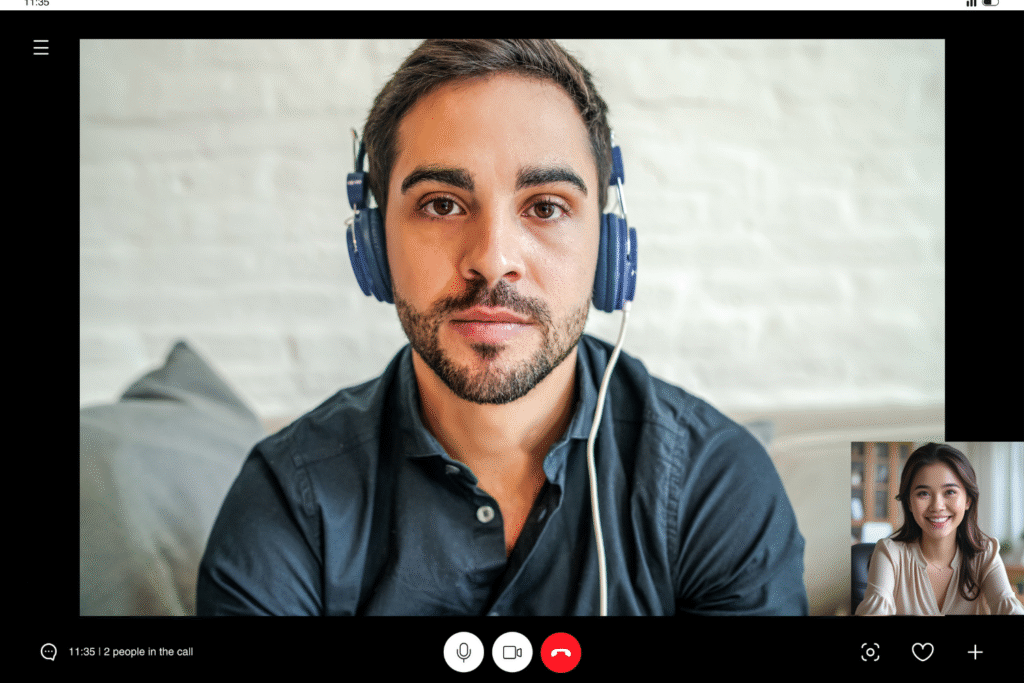

Remote teams bring incredible value, but trust doesn’t always travel well across time zones. Managers often rely on old leadership habits that don’t match the new rules of global work. Offshore staff—especially in places like the Philippines—need more than instructions and deadlines.
They need systems that make them feel seen, secure, and involved. That’s where the CREDIT trust model comes in. It’s a clear, six-part framework that helps you build real loyalty and performance through behavior your team can count on.
What Is the CREDIT Trust Model?
The CREDIT model gives leaders a roadmap for building trust with remote staff. Each letter stands for a key value: Consistency, Reciprocity, Empathy, Dependability, Inclusion, and Transparency. These six elements form a working trust equation—not just for managers but for entire teams.
It matters because offshore teams often struggle with unclear systems, missed expectations, and limited feedback. Good intentions aren’t enough. The CREDIT model helps you focus on the trust factors that people actually notice—ones that shape how they view your leadership and their role in the business.

C is for Consistency: Keeping Your Promises
When people can’t walk into your office or see your body language, actions speak louder than titles.
Why consistent follow-through matters more in remote teams
Remote team members rely on structure. A delayed reply, missed update, or shifting goal doesn’t just slow work—it creates doubt. Over time, this weakens your credibility. Staff pay attention to what gets done, not what gets promised. Trust grows when your words match your behavior again and again.
Simple systems to track and honor your commitments
It’s easy to forget small tasks when juggling multiple time zones or tools. But your team remembers.
Try these to stay on track:
- Use a shared task log or “promise tracker” visible to your team
- Recap next steps during check-ins with dates attached
- Give at least a 24-hour heads-up before shifting deadlines
- Link tasks to tools like Notion or ClickUp with clear ownership
- Close the loop on open questions—even with a quick “still looking into this.”
How routine creates safety and confidence
Predictable systems lower stress. That includes daily check-ins, payday reminders, and weekly progress reviews. For your offshore staff, these rhythms aren’t just helpful—they’re how they tell if your team has it together. Following routines can help offshore staff feel more grounded, which may contribute to long-term engagement.

R is for Reciprocity: Make Trust a Two-Way Street
Trust sticks when it feels mutual. In remote teams, leaders have to go first.
What does healthy reciprocity look like in virtual teams?
It starts with respect. Offshore staff don’t want to be micromanaged—but they also don’t want to feel ignored. When they share ideas, take on tough tasks, or stay up late for a meeting, they’re investing in the team. A healthy leader gives that energy back through feedback, flexibility, and access to information.
Ways to show flexibility and expect it in return
You don’t need grand gestures. Small shifts go a long way.
Here are a few that matter:
- Adjust for typhoon alerts, brownouts, or holidays without penalty
- Offer flexibility on hours during family emergencies
- Let the team know when you’re swamped or need help
- Build in review time before major deadlines to reduce panic
- Give room to learn when rolling out new tools or products
Encouraging feedback, mentoring, and mutual support
A good team speaks up—and lifts each other up. Create space for honest feedback without fear. Set up private chats or feedback forms. Invite mentoring between senior and junior team members. And highlight those who step up to help their teammates. That’s how people learn they can grow here—and that their voice matters.

E is for Empathy: Understand Before You Lead
You can’t lead someone well if you don’t know what they’re dealing with.
How to lead with cultural and personal empathy
Every offshore team has different norms and stress points. In the Philippines, family obligations, local customs, and national events shape how people plan and work. Great leaders don’t need to master every tradition—they just need to ask, listen, and remember. That alone sets you apart from many.
How local conditions affect offshore performance
Not every missed message is a red flag. Sometimes, it’s a brownout or a storm. When managers assume laziness, trust breaks fast. A simple check-in like, “Are you okay over there?” builds more goodwill than any motivational speech. It shows you care about the person, not just the work.
Empathy tools: calendars, check-ins, and emergency protocols
Add empathy into your workflow, not just your tone.
Practical steps include:
- Shared calendars that include Filipino holidays and observances
- Weekly 1:1s with time set aside for personal updates
- Written protocols for outages or family emergencies
- Pre-approved time off for urgent personal needs
- Internet or tech stipends to handle recurring disruptions

D is for Dependability: Prove You’re Reliable
People trust what they see repeated—not what’s said once.
Why reliable systems beat verbal promises
Late pay, last-minute changes, and unclear job roles can leave a lasting negative impression on offshore team members. These moments send a clear signal: “We don’t have your back.” On the flip side, a stable setup—where deadlines are fair, and pay arrives on time—builds lasting trust. It also boosts focus because team members aren’t worried about the basics.
Tools to ensure on-time pay, stable roles, and support
Dependability needs structure, not guesswork.
Here’s what helps:
- International payment platforms like Payoneer or Wise to ensure timely transfers
- Clear job descriptions with growth paths and role expectations
- Monthly performance check-ins (not just annual reviews)
- Tech support budgets for remote setup and upgrades
- Quick-response channels for access issues or tool failures
Tech and process audits to improve trustworthiness
Review your systems and the way your team experiences them. Does login break every Monday? Do task updates get buried in emails? Regular audits show you’re invested in their success. And when issues are fixed quickly, your dependability score goes up.

I is for Inclusion: Make Everyone Feel Part of the Team
Remote staff feel the distance. Leaders have to bridge it.
What inclusion really means in remote cross-cultural teams
Inclusion isn’t just about being in the meeting. It’s about being part of the conversation, being heard, and having your work valued. In some cultures, that means a direct invitation to speak up. In others, it means honoring silence until the person is ready. Inclusive teams make space for both and don’t punish cultural differences.
Meeting structures and rituals that bridge distances
Meetings are your chance to show what kind of team you run. Do you start with wins? Rotate facilitators? Make room for social check-ins? These small choices send big signals. They show your team that everyone’s time and presence matters—no matter the location or title.
Examples of inclusive gestures that build loyalty
Sometimes, it’s the little things.
Try:
- Sending physical care packages that include local snacks or gifts
- Rotating meeting times so one team isn’t always sacrificing sleep
- Celebrating Filipino holidays or events on company channels
- Publicly sharing offshore staff wins alongside HQ milestones
- Setting up casual virtual hangouts for shared interests or music

T is for Transparency: Share What Matters
People can’t support what they don’t understand.
Why offshore staff need context—not just tasks
Too often, offshore teams get told what to do without knowing why it matters. This makes people feel like replaceable parts instead of valuable players. A little context—like how their work ties into sales, customer experience, or product changes—can unlock better thinking and stronger results.
How to explain decisions without oversharing
You don’t need to share every chart. Just give the “why” behind big moves. A quick message like, “We’re shifting this due to customer feedback,” keeps people in the loop. It also prevents confusion and frustration when priorities shift. Offshore staff will follow your lead—as long as they know where it’s headed.
Dashboards, documentation, and decision logs that build trust
Don’t make people dig for answers. Good systems show your team that you’re serious about clarity.
Useful tools include:
- Real-time dashboards tracking goals or project health
- Decision logs noting key changes and who made them
- Shared folders with updated SOPs, customer info, and product notes
When information flows freely, trust follows.

How to Apply the CREDIT Model in Real Life
Understanding CREDIT is step one. Living it is the real test.
Implementation checklist for managers
The best way to start is with a simple weekly check: Did I follow through? Did I explain the changes clearly? Did I listen when someone had a concern? Did I make space for people to lead? Trust grows in small habits. Run your systems with the same care you expect from your team.
Adapting CREDIT for different cultural contexts
The core values don’t change, but the delivery should. In some cultures, recognition is best done in private. In others, it’s expected in front of the team. Pay attention. Ask what makes people feel respected. Trust doesn’t look the same everywhere—but it matters just as much.
Trust-building success stories from Filipino teams
One team added a “reason behind the task” field in their project tracker, which they said helped improve engagement and initiative. Another created a local holiday calendar that stopped accidental weekend meetings. These changes weren’t big. But they showed people were paying attention. That’s what builds trust.
CREDIT Builds Long-Term Offshore Loyalty
In remote teams, trust tends to grow more from consistent actions than from one-time intentions. The CREDIT trust model helps you stay focused on the behaviors that matter—clear systems, honest feedback, shared wins, and stability. When offshore teams notice consistent leadership and clear support, they’re more likely to stay engaged and perform at a high level. Use this framework not just as a tool but as a habit. Your team will notice.
Frequently Asked Questions
What does the CREDIT trust model stand for?
It stands for Consistency, Reciprocity, Empathy, Dependability, Inclusion, and Transparency.
How can I build trust with offshore Filipino teams?
Use clear systems, respect cultural values, and keep your promises across time zones.
What is the best way to show consistency in remote management?
Stick to deadlines, follow through on commitments, and communicate changes early.
How does inclusion affect offshore team engagement?
It makes remote staff feel seen, valued, and motivated to take part in team success.
Why is transparency so important in global virtual teams?
It reduces confusion, builds confidence, and helps remote staff understand the purpose behind their work.
References
- International Labour Organization. (2020). Teleworking during the COVID-19 pandemic and beyond. https://www.ilo.org/sites/default/files/wcmsp5/groups/public/@ed_protect/@protrav/@travail/documents/instructionalmaterial/wcms_751232.pdf
- International Labour Organization. (2021). Working from home: From invisibility to decent work. https://www.ilo.org/publications/major-publications/working-home-invisibility-decent-work
- Official Gazette. (2024). Philippine Holidays. https://www.officialgazette.gov.ph/nationwide-holidays/
- Philippine Atmospheric, Geophysical and Astronomical Services Administration. (n.d.). Tropical Cyclone Information. https://www.pagasa.dost.gov.ph/climate/tropical-cyclone-information
- Philippine Statistics Authority. (2020). 2020 Census of Population and Housing (2020 CPH) Population Counts Declared Official by the President. https://psa.gov.ph/content/2020-census-population-and-housing-2020-cph-population-counts-declared-official-president
- Toscano, F., Bigliardi, E., Polevaya, M. V., Kamneva, E. V., & Zappalà, S. (2022). Working Remotely During the COVID-19 Pandemic: Work-Related Psychosocial Factors, Work Satisfaction, and Job Performance Among Russian Employees. Psychology in Russia : state of the art, 15(1), 3–19. https://doi.org/10.11621/pir.2022.0101