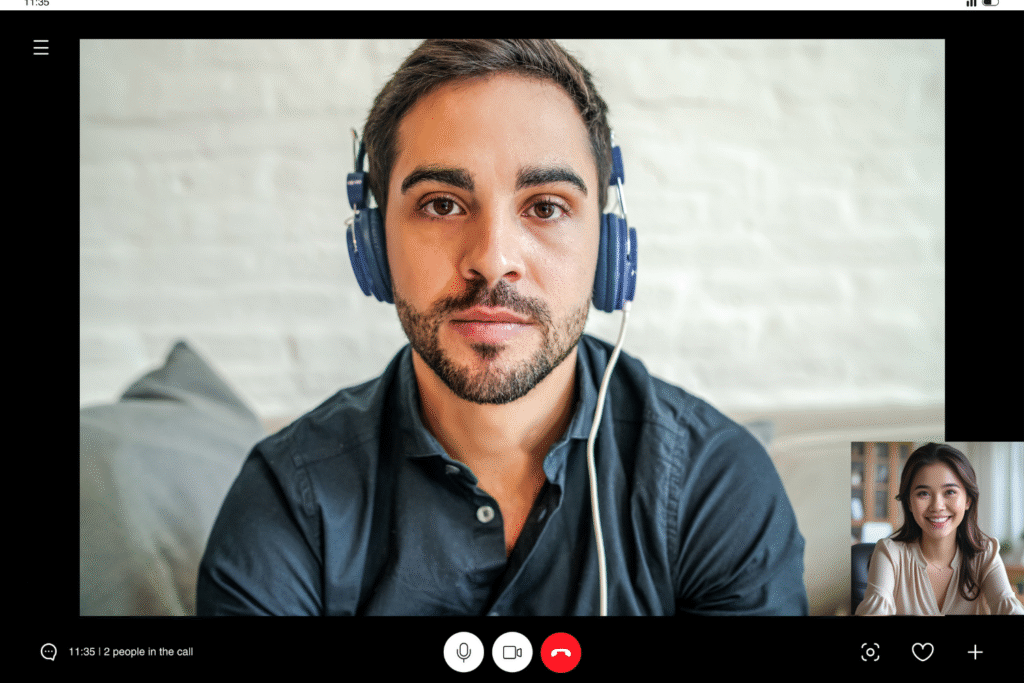

Giving feedback in a cross-cultural setting takes extra care, especially when working with Filipino staff. In the Filipino workplace, values like respect, family, and group harmony shape how feedback is heard and accepted. Filipino workers often avoid open disagreement, which can make it hard for managers to know if their message is clear. Missteps in how you talk about performance may cause stress or embarrassment, making it harder for employees to improve.
This article shares Filipino feedback tips that help you speak with clarity and kindness. You’ll learn to explain expectations, offer constructive criticism, and foster stronger relationships with your Filipino team. These tips will help your employees work effectively and achieve success across cultures.
What Makes Feedback Sensitive in Filipino Culture?
In Filipino culture, hiya—or the feeling of shame—can strongly influence how feedback is received. Many Filipino workers place strong value on avoiding embarrassment, especially in group settings. Even if well-meaning, public correction may lead to withdrawal, silence, or quiet resentment rather than improvement.
In many Filipino workplace settings, indirect communication and respect for authority are common values. This means they might agree during feedback sessions without fully understanding or accepting what was said. Overlooking cultural dynamics may lead to confusion or missed communication opportunities in Filipino teams.

How to Prepare Before Giving Feedback
Before offering feedback, managers should check their intent and tone. The goal should be to help the person grow, not to call them out or point out what they did wrong. A thoughtful approach allows the conversation to stay professional and productive.
It also matters when and where the feedback happens. Pick a time when the employee is not overwhelmed with other job duties and choose a private setting to talk. Reviewing the cultural context can prevent missteps and make sure nothing gets lost in translation. Awareness of these factors helps create a safer space for your Filipino staff to respond honestly.

What Are the Dos of Giving Feedback to Filipino Workers?
To build trust and enhance job performance, follow these key tips when offering feedback to your Filipino team.
Do start with appreciation and positive framing
Filipino workers respond better when feedback begins with genuine praise. Starting with what they did well helps remind them of their value and sets a respectful tone. It also makes them more open to hearing areas that need improvement.
Do keep feedback private when discussing sensitive topics
Private conversations reduce the risk of hiya and help maintain dignity. In the Philippines, workers may avoid eye contact or stay quiet if corrected in front of others. Feedback is more effective when shared one-on-one in a calm, respectful setting.
Do use collaborative language like “let’s” and “how might we”
Using phrases like “Let’s try this together” or “How might we improve this part?” creates a team mindset. It shows you’re interested in their progress and that you see them as partners, not just workers who made mistakes.
Do allow time for processing before expecting a response
Filipinos may need time to think through what was said before giving a reply. Instead of pushing for a response right away, invite them to follow up after they’ve had time to reflect. This shows respect and makes it easier for them to speak openly.

What Feedback Methods Work Best?
Some feedback methods help Filipino workers respond more comfortably and clearly. Using respectful, well-structured tools can reduce confusion and foster stronger communication across the team.
Use structured formats like the expanded “sandwich” method
This method starts with positive feedback, moves into the area for improvement, and ends with encouragement. Filipino staff often feel more open when feedback is presented in a balanced way. Starting with a win reminds them of their strengths, which helps them accept the challenge without feeling called out.
Try reflection-based feedback templates
Structured reflection helps Filipinos process input in a safe, respectful way. Templates that ask for their thoughts or invite ideas give them space to think. It also supports the idea that feedback is a two-way conversation, not just a correction.
Offer follow-ups to ensure clarity and next steps
Checking in after the feedback helps ensure the person understood what was said. Filipino workers may hesitate to ask questions immediately. Follow-ups give them a chance to clarify anything they missed and confirm what’s expected to help them work effectively.

What Are the Don’ts of Giving Feedback in the Filipino Workplace?
Even with good intentions, certain approaches can make feedback feel harsh or disrespectful. Avoiding these common mistakes helps strengthen relationships and supports your Filipino team’s success.
Don’t criticize in front of others—even gently
In Filipino culture, public correction can lead to hiya and damage trust. Even a soft comment in front of colleagues may feel like calling someone out. Feedback should always be shared privately, especially about job performance or behavior.
Don’t demand immediate answers or reactions
Filipino workers often take time to reflect before responding. Pressuring them for a quick answer may cause them to say what they think you want to hear. Giving them space shows respect and helps them respond more honestly and professionally.
Don’t ignore emotional or non-verbal cues
In certain Filipino work environments, employees may use indirect cues rather than directly stating when something is wrong. Managers must stay alert for signs like silence, hesitation, or nervous smiles. These cues are often how Filipino staff express discomfort without speaking up directly.
Don’t use overly direct or confrontational language
Being too blunt can come across as disrespectful or harsh. Instead of saying something is wrong, explain your perspective and invite discussion. This keeps the tone calm and makes the feedback feel part of a shared goal.

Tools and Templates That Help Make Feedback Safe
The right tools and templates can make feedback less risky and more helpful. They also support long-term improvements in how your Filipino team communicates and grows on the job.
Sample private feedback message template
A private message works well when you can’t talk in person or over video. It should be kind, clear, and focused on improvement.
Use a format like this:
- Start with something you appreciated
- Share a neutral observation (not a judgment)
- Offer a helpful suggestion
- Invite their input
Example:
- “Thanks for submitting the report ahead of schedule.”
- “I noticed a few details in the summary were unclear.”
- “One idea might be to add bullet points for key findings.”
- “What do you think about that?”
Feedback survey tools that allow anonymity
Anonymous tools give Filipino employees a way to share honest thoughts without fear. They help spot patterns and improve communication across the team.
Helpful tools:
- Google Forms – Easy to use and customizable
- SurveyMonkey – Offers templates for employee feedback
- Culture Amp – Designed for tracking engagement and workplace culture
- Officevibe – Combines surveys with tips for managers
Weekly check-in frameworks that encourage openness
Short, weekly check-ins can boost trust and catch issues early. Ask simple questions about work, stress, and support. Keep the tone friendly and low-pressure so your Filipino workers feel comfortable sharing concerns.
A clear, repeated framework builds habits that help managers and employees develop stronger relationships and stay aligned on expectations.
Real-World Feedback Scenarios and Solutions
Common challenges in the Filipino workplace often need thoughtful approaches. Here’s how managers can handle real situations while respecting culture and supporting team growth.
When a team member keeps missing deadlines
Instead of assuming laziness or poor work ethic, talk privately and ask what challenges they face. Some Filipino employees may hesitate to speak up when facing challenges, especially if they fear disappointing others. Offer structured support and clarify expectations using written tools like deadline templates.
When work quality slips without explanation
Avoid jumping to conclusions. Set up a one-on-one video call to check in on personal or professional issues. Filipino workers may stay quiet during tough times, especially if they cannot discuss family or life challenges that affect their jobs.
When someone avoids asking clarifying questions
Use reflection-based questions to invite input. Filipino team members may not ask for help to avoid sounding unprepared. Ask how they plan to complete the task or what step they’ll take next to reveal misunderstandings without making them feel called out.
How to Make Feedback Part of a Positive Team Culture
Feedback should feel safe, helpful, and expected. These strategies help your Filipino team see feedback as a normal part of professional growth.
Normalize feedback as growth, not punishment
Explain that feedback is a regular part of the job, not a sign of something wrong. Feedback can sometimes be interpreted as personal criticism, depending on the tone and approach used. Clarify that the goal is to enhance skills and help everyone work effectively.
Celebrate improvements as a result of coaching
When a worker makes progress, say so. Highlight how their effort paid off and invite the team to celebrate small wins. This keeps the focus on success and reminds everyone that feedback leads to real results.
Train managers on culturally intelligent communication
Training on Filipino workplace culture can equip managers with tools to reduce misunderstandings. When leaders know how to speak with care and respect, they build stronger relationships and improve performance across the team.

Give Feedback That Builds, Not Breaks
Giving feedback to Filipino workers is more effective when guided by respect, clarity, and cultural awareness. Private conversations and thoughtful language help employees feel safe, supported, and motivated to improve.
Managers who adapt their approach show real leadership, earning trust while helping their team achieve better results. Feedback isn’t just about performance; it’s about building relationships that last and helping your Filipino team grow with confidence.
Frequently Asked Questions
How do I give negative feedback without offending my Filipino staff?
Speak privately, use respectful language, and focus on solutions, not blame.
Is it okay to give feedback in group meetings?
No, it’s best to give personal feedback one-on-one to avoid embarrassment.
What’s the best way to follow up on feedback?
Check in later with a short message or meeting to clarify and support next steps.
Why do Filipino employees agree but don’t change their behavior?
They may be avoiding conflict or unsure how to proceed—ask follow-up questions.
How can I make feedback part of my team’s regular rhythm?
Set up weekly check-ins, use reflection tools, and praise improvements regularly.
References
- Andres, T. D. (1994). Understanding Filipino Values (A Management Approach). Retrieved from https://www.natcco.coop/storage/app/uploads/public/647/9a0/907/6479a090797a4406015204.pdf
- LinkedIn. (n.d.). How do you balance positive and negative feedback using the sandwich method? https://www.linkedin.com/advice/0/how-do-you-balance-positive-negative-feedback-2e
- Medium. (2024). Top 10 Free Anonymous Survey Platforms. https://medium.com/@untold.fyi/top-10-free-anonymous-survey-platforms-64b218c3936f
- National Commission for Culture and the Arts. (n.d.). a study on filipino values. https://ncca.gov.ph/wp-content/uploads/2021/04/Fil.-Values-Primer-English.pdf
- Pe-Pua, R., & Protacio-Marcelino, E. (2000). Sikolohiyang Pilipino (Filipino Psychology): A legacy of Virgilio G. Enriquez. https://psycnet.apa.org/record/2000-03564-003