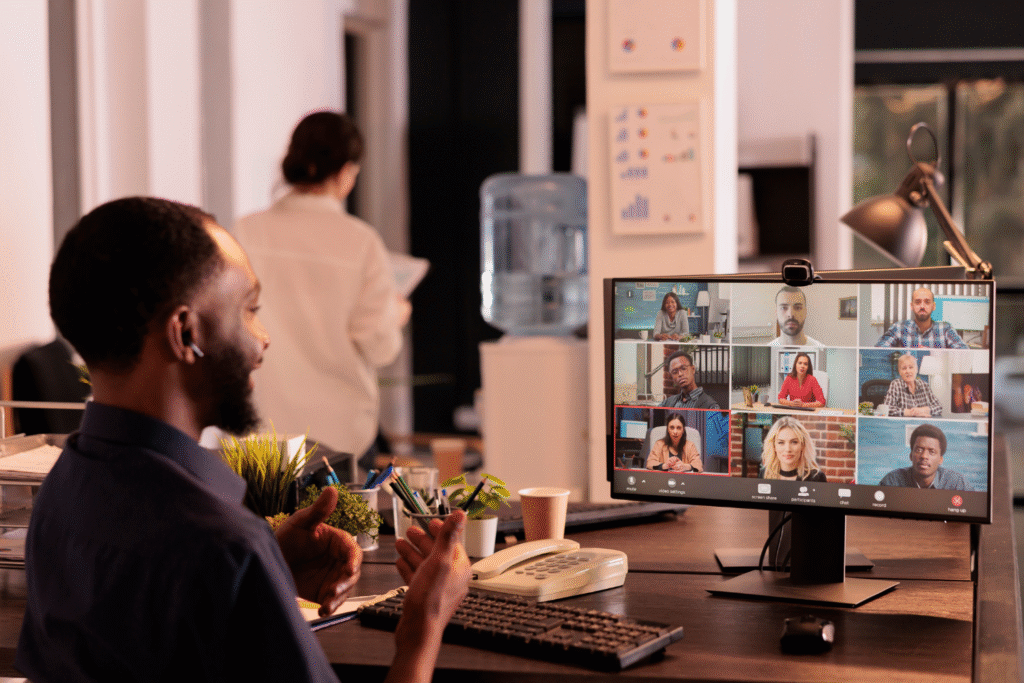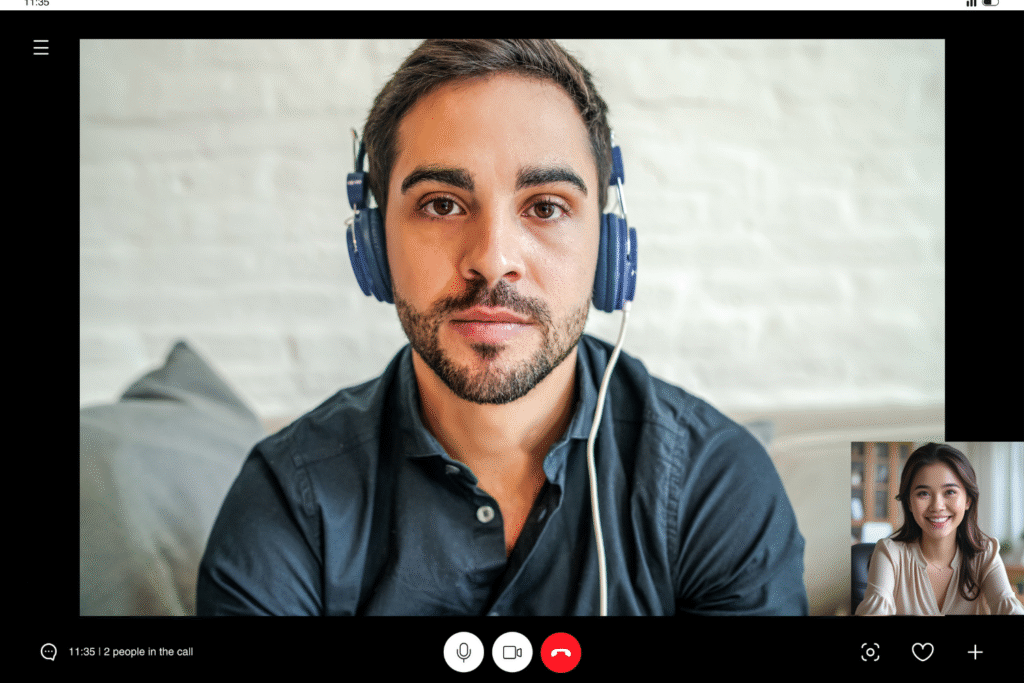

Cross-cultural trust is essential when managing teams from different countries, especially in emerging markets like the Philippines. Without trust, cultural differences can lead to misunderstandings, missed deadlines, and broken communication. Filipino professionals place high importance on relationships, group harmony, and family, which are often reflected in workplace behavior.
This guide will shed light on how cultural norms, values, and interpersonal trust affect teamwork and offer clear strategies to build trust, mutual respect, and cooperation with Filipino professionals. It will help organizations, leaders, and executives create space for mutual understanding, strengthen relationships across cultures, and improve team performance in a global workplace.
What Is Cross-Cultural Trust—and Why Does It Matter?
Cross-cultural trust means building relationships that respect different backgrounds, values, and communication styles. In global teams, trust is shaped by culture—what works for an American team might not work for colleagues in other countries. For example, leaders from the U.S. often expect direct feedback, while Filipino teams may avoid it to protect group harmony.
These differences can create confusion or silence in the workplace if not addressed. When managers fail to adjust, the business loses time, quality, and employee confidence. Understanding cultural differences isn’t just about kindness—it’s a smart business move that helps organizations improve communication, reduce mistakes, and build a workplace that works across cultures.

What Core Filipino Values Should You Understand First?
Filipino cultural norms influence how employees work, talk, and respond. Knowing what drives behavior builds mutual respect and stronger cooperation between teams with different cultural backgrounds.
- Kapwa and Pakikisama: Why Group Harmony Comes First: Filipinos often avoid conflict and focus on the feelings of the group. Group harmony matters more than standing out; people may agree with ideas to keep peace—even if they have a different opinion.
- Utang na Loob: How Loyalty is Earned: Support during difficult times can contribute to stronger loyalty, especially in cultures that value personal connection, such as the Philippines, that goes beyond salary and benefits.
- Hiya and Respect: Managing Feedback and Conflict: Hiya, or shame, affects how feedback is received. Public correction may cause discomfort or loss of face, particularly in cultures that value dignity and social harmony. Team members may avoid direct disagreement or stay quiet to protect their dignity.
- Paggalang: Understanding Hierarchy in Filipino Culture: Respect for authority is expected. Employees often wait for clear instructions and may not question decisions, even if they have helpful insights.
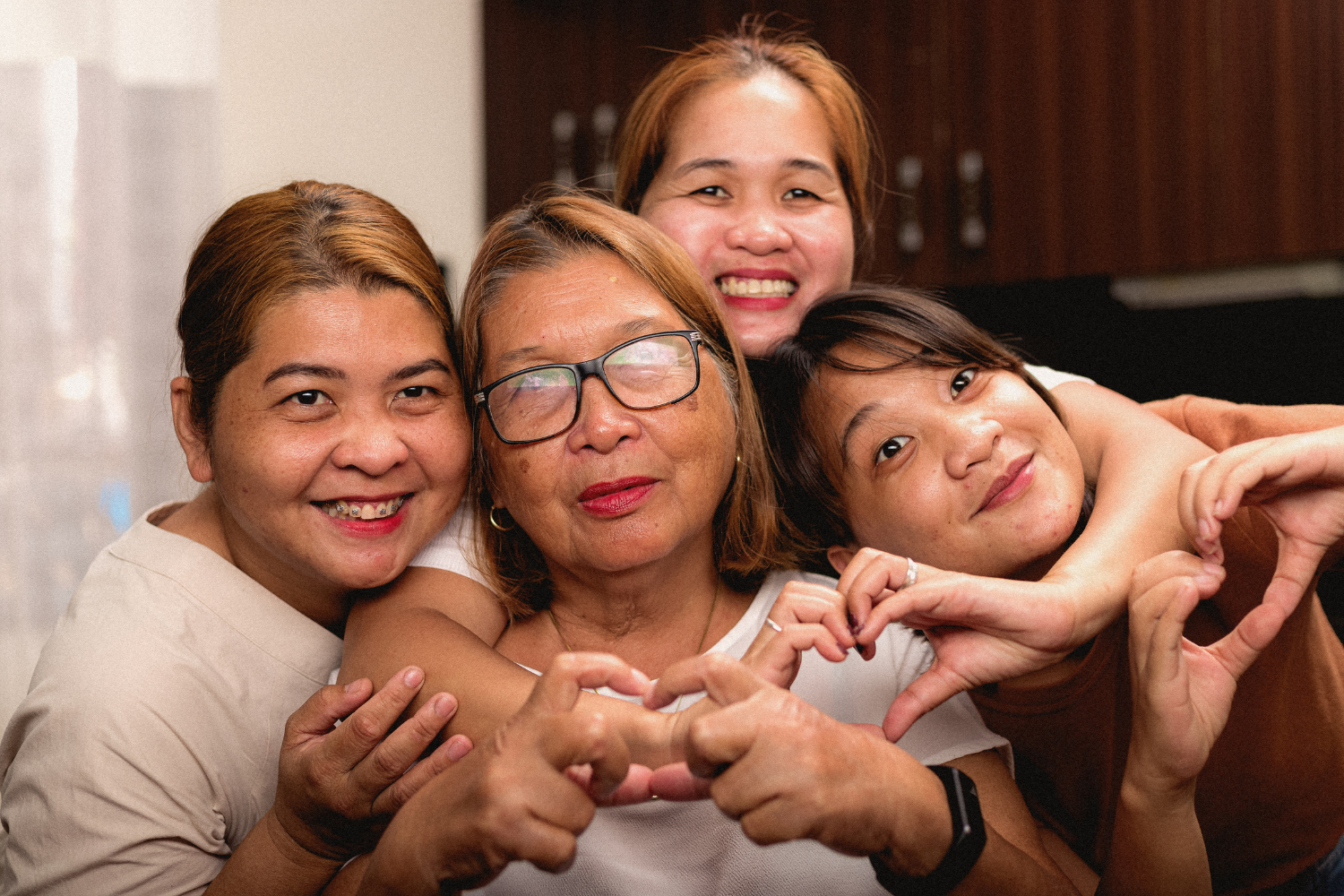
- Family Priorities: How They Influence Work Commitments: Family comes first for many Filipino professionals. Emergencies, holidays, and family events can impact work schedules, but they can also motivate strong performance when the job supports family life.
- Do Regions and Generations Affect Work Style?: Yes. Urban professionals across major cities in the Philippines often have experience with Western business practices. Younger professionals often prefer direct talk and more flexible work styles, while older workers may stick closely to tradition.
How Do You Communicate Clearly Without Offending?
Filipino professionals often prefer indirect communication. Understanding this helps avoid the wrong tone, misread feedback, or silence during meetings.
Why Indirect Communication Is the Norm
In Filipino culture, communication is shaped by respect, face-saving, and the need to avoid tension. People may say “yes” to maintain harmony, even if unsure. This can confuse managers from different cultural backgrounds who expect clear answers. Indirect language helps preserve relationships but also makes room for miscommunication without proper tools or awareness.
How to Ask Questions That Get Honest Answers
To avoid confusion, ask questions focusing on the process—not just yes or no.
- Ask: “How do you plan to complete this task?” instead of “Do you understand?”
- Ask: “What could make this deadline hard to meet?” instead of “Can you hit this date?”
- Ask: “What’s one thing you’d improve?” instead of “Is anything wrong?”
Tools That Help You Deliver Face-Saving Feedback
The right tools can improve communication while protecting dignity.
- Loom or Vidyard: Send short videos to show tone and reduce misread feelings.
- Google Forms or 15Five: Allow anonymous or private feedback.
- Slack Channels for Clarifications: Create space for questions without spotlight.
- Notion Templates: Use structured formats to give respectful and clear feedback.
A Real-world Example of Miscommunication Fixed
One U.S. manager assumed their Filipino staff understood every task because they always said “yes” in meetings. But deadlines were often missed.
The fix came when the manager asked team members to explain tasks in their own words, added private channels for questions, and allowed 24 hours to raise concerns. Miscommunication dropped, and projects stayed on track.

How Should You Handle Authority and Initiative?
Filipino teams often wait for approval before acting. Leaders must give clear signals when independence is encouraged or delays may arise.
How to Encourage Independent Thinking in a Respectful Way
Giving permission makes a big difference. Saying, “You can decide on this without checking with me,” removes confusion. It helps build trust while respecting cultural norms. Praise independent thinking when it happens so team members feel safe trying again.
RACI and Decision Frameworks That Prevent Bottlenecks
Use tools like a RACI matrix to define who is Responsible, Accountable, Consulted, and Informed for each task. Also, create decision levels. For example, daily tasks may not need approval, but budget changes do. This structure builds confidence and speeds up execution, even across different backgrounds.
Success Story: When Delegation Actually Boosted Speed
A software company created a decision document listing what Filipino team members could handle on their own. Over 60 days, team members gained confidence and needed fewer approvals. As a result, decisions got faster, and job satisfaction improved. This small change helped build trust and cut project delays across cultures.
How Do Relationships Affect Team Performance?
Strong relationships help teams from different backgrounds work together with less stress and more cooperation. In Filipino culture, getting to know people personally makes professional teamwork smoother.
Balancing Task Focus and Personal Connection
Filipino employees often prefer to build a sense of connection before jumping into tasks. This doesn’t mean work gets delayed—it means relationships create room for smoother communication and fewer conflicts. American team members may focus on finishing tasks quickly, but blending both approaches creates balance and improves ideas and teamwork across cultures.
Meeting Formats That Build Trust
Meetings work best when they mix updates with time for human connection. Short personal check-ins, peer recognition, or sharing local highlights can help teams feel valued. These small moments help create common ground, improve communication, and increase cooperation between colleagues from different cultural backgrounds.
Rituals That Strengthen Team Unity Over Time
Simple team rituals like weekly one-on-ones, monthly virtual socials, or quarterly cultural exchanges help build trust. These habits support mutual understanding, create space for diverse interests, and reduce gaps that may arise when teams have different cultural backgrounds or life experiences.
How Do You Align on Deadlines and Work Pace?
Cultural differences can affect how teams view deadlines. Understanding these views helps leaders build realistic timelines and reduce project delays.
Why Deadlines May Feel Flexible
For many Filipino workers, deadlines are important but not always strict. Life events, family needs, and a desire to avoid conflict may lead to deadline shifts without warning. These differences in time perception reflect cultural values, not a lack of commitment—they reflect different values around time, relationships, and how to avoid tension in the group.
Building Clarity With Multichannel Deadline Systems
Using more than one way to explain deadlines helps teams understand what’s expected. Verbal instructions, written details, and visual tools like calendars or charts make due dates clearer. Sharing deadlines across platforms creates shared awareness and makes room for smoother delivery.
Tools That Keep Everyone on Track
Tech tools can remove confusion and keep expectations aligned across cultures.
- Asana or ClickUp: Track deadlines with color-coded priorities.
- Google Calendar: Show deadlines in both time zones.
- Loom: Explain complex project timelines using short videos.
- Slack Reminders: Send soft deadline alerts without pressure.
- Notion: Keep clear documentation of due dates and task status.
How Should You Handle Conflict in a Culturally Safe Way?
Workplace conflict is normal, but how people respond depends on culture. In the Philippines, direct confrontation can feel harsh or disrespectful, so safe spaces matter.
Private Conversations Over Public Corrections
When employees come from different countries or cultural backgrounds, public feedback can create stress. Private, calm conversations help resolve misunderstandings while protecting relationships. This approach creates a respectful space and allows people to talk without fear of shame or embarrassment.
The Role of Face-Saving in Conflict Resolution
Face-saving means protecting a person’s dignity, even during conflict. Filipino employees may avoid admitting mistakes to maintain self-respect. Leaders must use language that shows care, avoids blame, and focuses on solutions instead of pointing out what went wrong. This keeps trust strong and reduces long-term damage to relationships.
Frameworks That Turn Tension Into Growth
Using the right systems helps teams turn conflict into progress.
- Private Issue Resolution Template: Use neutral words and ask open questions.
- Graduated Conflict Pathway: Start with one-on-ones, and escalate only when needed.
- Feedback Sandwich Method: Mix praise, improvement, and future steps.
- Face-Saving Scripts: Prepare respectful wording for challenging conversations.

What Systems Build Long-Term Trust Remotely?
Trust takes time to grow, especially across cultures and physical distances. Remote teams need clear systems to keep trust strong over time.
The CREDIT Framework (Consistency, Reciprocity, Empathy, etc.)
This model helps leaders build trust across cultural backgrounds using six key habits.
- Consistency: Stick to commitments and follow through.
- Reciprocity: Give and receive support fairly.
- Empathy: Understand your team’s feelings and local situations.
- Dependability: Pay on time and provide the tools your team needs.
- Inclusion: Make sure everyone feels like part of the group.
- Transparency: Explain decisions and share updates often.
How to Recover When Trust Is Broken
Trust may be affected by issues such as late payments or delayed promotions, especially if communication is lacking. When this occurs, leaders must acknowledge the issue, explain what happened, and show how it will be fixed. Offering solutions, following up, and showing consistency after the mistake helps rebuild trust and avoid long-term damage.
Tech Tools That Make Trust Visible
Tools can create transparency, reduce confusion, and show accountability across cultures.
- Notion or Confluence: Keep shared records of tasks and promises.
- Zoom or Google Meet: Use cameras-on calls for open conversations.
- SurveyMonkey or Culture Amp: Check trust levels with team feedback.
- Wise or Payoneer: Use dependable platforms for on-time payment
- Bonusly or Kudos: Celebrate wins and show appreciation regularly.
How Do You Keep Culture Alive in a Virtual Team?
Remote work can challenge cultural connection, but consistent team engagement helps maintain shared values. Creating space for shared interests and moments allows teams from different countries to connect and build trust.
Culturally Aligned Team-Building Ideas That Work
Filipino teams value connection, creativity, and a sense of fun. Team-building activities that respect these interests make people feel included and seen.
- Virtual Salu-Salo: Order meals and eat together on video
- Talent Showcases: Share music, art, or other personal talents
- Local Tours: Team members give virtual walkthroughs of their area
- Photo Projects: Share photos based on weekly themes
- Group Playlists: Create a shared soundtrack with favorite songs
- Game Shows: Use platforms like Kahoot for friendly competitions
Celebrating Wins the Filipino Way
Public recognition matters to Filipino employees, especially when shared with the group. Highlighting achievements during meetings, sending messages of thanks, or giving small tokens to share with family shows that the organization values both the person and their community. These actions build emotional connection and trust across cultures.
Relationship Mapping to Drive Collaboration
A relationship map helps teams connect through shared interests, skills, and values. Each member lists hobbies, professional strengths, and cultural knowledge. Leaders can use these insights to pair team members from different backgrounds on projects, making cooperation feel natural and grounded in mutual understanding.
How Can You Measure If Trust Is Really Growing?
Trust grows over time, but it can also be tracked. Leaders should measure communication quality, team connection, and overall comfort with cultural differences.
Sample Metrics for Communication and Cultural Integration
Using metrics gives leaders clear signals on how teams from different cultural backgrounds work together.
- Response times between teams across countries
- Clarification requests showing open communication
- Anonymous safety scores on trust and honesty
- Peer support incidents during work challenges
- Cross-team collaboration rates
Simple Surveys to Track Psychological Safety
Short surveys can show how safe your team feels. Ask questions like, “Do you feel comfortable raising concerns?” or “Do you believe your ideas are respected?” Use a 1-to-5 scale. Keep it anonymous so employees feel free to share how they feel without fear of judgment.
Using Data to Adjust Your Approach
Leaders should examine survey responses, communication stats, and team behavior patterns. If people avoid giving feedback or hesitate to take initiative, it’s a sign to revisit your systems. Adjusting tools, meeting formats, or management styles based on data helps teams across cultures build deeper trust and long-term cooperation.
Trust Isn’t a Tactic—It’s a System
Building cross-cultural trust with Filipino teams takes more than goodwill. It starts with understanding Filipino values like group harmony, respect for hierarchy, and strong family ties. It continues with habits like clear feedback, inclusive rituals, and systems that support mutual understanding across cultures. Real trust forms when leaders combine empathy with structure, creating space for different perspectives, open communication, and shared success across cultural backgrounds.
Frequently Asked Questions
What is the fastest way to build trust with a Filipino team?
Show respect, communicate clearly, and follow through on promises.
How do cultural values affect workplace communication in the Philippines?
They encourage indirect talk, face-saving, and polite agreement.
What leadership mistakes break the trust of Filipino professionals?
Public criticism and broken promises may affect trust, especially in cultures that value respect and clear expectations.
How do I know if my Filipino team feels psychologically safe?
Watch for honest feedback, comfort with raising concerns, and regular engagement.
What tools help manage cultural differences in remote teams?
Notion, Slack, Zoom, Bonusly, and SurveyMonkey support better communication and trust.
References
- Enriquez, V. G. (2013). From colonial to liberation psychology: The Philippine experience. https://philpapers.org/rec/ENRFCT
- Gador, M. M. M., & Sudaria, R. (2024). Exploring the Challenges and Opportunities of Filipino Cross-Border Remote Work. https://www.researchgate.net/publication/382426439_Exploring_the_Challenges_and_Opportunities_of_Filipino_Cross-Border_Remote_Work
- Hechanova, R., Calleja, M., & Villaluz, V. (2017). Understanding the Filipino Worker and the Organization, 2nd Ed. https://unipress.ateneo.edu/product/understanding-filipino-worker-and-organization-2nd-ed
- Hechanova, M. R. M., & Go, J. F. C. (2018). Building a culture of workplace wellness: Perspectives from Philippine organizations. http://dx.doi.org/10.5861/ijrsp.2018.3010
- Pe-Pua, R., & Protacio-Marcelino, E. A. (2000). Sikolohiyang Pilipino (Filipino Psychology): A Legacy of Virgilio G. Enriquez. https://www.indigenouspsych.org/Members/Pe-Pua,%20Rogelia/PePua_Marcelino_2000.pdf
- Reyes, G., Bolencis, J. N., & Lima, F. M. C. (2021). Using Quality Circle Story: The iTEACH Experience. https://www.researchgate.net/publication/366877123_Using_Quality_Circle_Story_The_iTEACH_Experience