
In many Filipino remote teams, junior team members often stay quiet during brainstorming sessions, even when they have good ideas. Some junior team members may hesitate to share ideas due to concerns about respect, group harmony, or peer judgment. Creating a safe space for idea sharing is essential to help every person feel comfortable sharing ideas, especially those with less experience.
Focusing on psychological safety and open communication can support collaboration, increase diverse perspectives, and encourage new ideas. This article explores how managers and leaders can support safe idea sharing through the right tools, methods, and feedback—turning hesitation into motivation and helping teams grow through continuous effort and innovation.
Why Junior Team Members Often Stay Quiet
Some junior employees may hold back even in collaborative teams instead of sharing ideas. This is often due to cultural norms that value respect, harmony, and careful communication, especially in Filipino work environments.
Fear of “hiya” or appearing disrespectful
Many Filipino team members grow up with the concept of hiya, a cultural value tied to shame or embarrassment. Speaking up in meetings, especially with a new idea or disagreement, can trigger fear of looking foolish or disrespectful.
A person may avoid contributing if they think their idea might be seen as a bad idea or if it challenges a more senior team member. This fear may discourage open sharing and reduce the flow of ideas if not acknowledged by managers.
Deep respect for hierarchy and authority
Filipino professionals often show strong respect for authority. Junior team members may wait for managers to speak first or avoid contributing during discussions with senior colleagues.
This deep respect for structure can make them feel it’s not their place to share ideas, even if their insights could improve the organization. Without encouragement, junior team members may hold back ideas that could benefit the team.
Preference for indirect communication
Many Filipino employees prefer indirect communication instead of directly discussing problems or sharing feedback. This style avoids confrontation and helps maintain group harmony. However, brainstorming sessions or meetings can prevent honest discussion.
Employees may hint at concerns or use soft language rather than clearly expressing their point. Without clear support for safe idea sharing, important suggestions often go unheard.
Lack of confidence in new or junior roles
New hires or junior team members may doubt their ability to contribute useful ideas. They may assume they lack the experience or authority to speak up. Even when they have a great idea, they hesitate, worrying that others may not take them seriously.
This affects team motivation and limits diverse perspectives. Creating a safe space helps employees overcome this barrier and increases their comfort with sharing.

What a Safe Space Means in Filipino Work Culture
In the Philippines, a safe space goes beyond being friendly or polite. It means building a work environment where employees feel safe speaking honestly without fear, especially when giving feedback or suggesting improvements.
Psychological safety vs. just being “friendly”
Psychological safety means team members feel safe to speak up, admit mistakes, and offer new ideas without fear of punishment or shame. While being friendly can help relationships, it does not always lead to open communication.
Some teams seem warm on the surface but still avoid discussing problems or sharing honest feedback. Psychological safety supports trust, allowing people to feel more comfortable offering their perspectives.
| Psychological Safety | Just Being Friendly |
|---|---|
| Encourages honest feedback and discussion | Avoids hard topics to keep the peace |
| Accepts mistakes as part of learning | Focuses on avoiding conflict |
| Supports sharing new ideas, even unpopular ones | Nods in agreement but may stay silent on issues |
| Uses feedback to improve collaboration and outcomes | Avoids feedback to protect feelings |
| Builds team success through trust and clarity | Maintains comfort, but limits progress |
Creating a “no-blame” environment
A no-blame environment helps team members feel safe when sharing. Instead of pointing fingers when something goes wrong, the team looks at what process failed and how to fix it. This removes the fear of punishment and supports continuous effort and improvement.
When junior employees know that even a bad idea can lead to valuable insight, they’re more likely to speak up. Encouraging idea sharing through learning—not punishment—helps innovation grow.
Trust-building before expecting openness
Trust is the foundation of a safe space. In Filipino teams, people often need to feel personally connected before they are comfortable sharing ideas. Managers must take time to build trust before expecting open discussion.
Small actions like checking in on well-being, showing respect, and recognizing efforts can build this connection. Once trust is in place, people feel safe enough to contribute and collaborate without fear.

Strategies to Encourage Safe Idea-Sharing
Creating a culture of safe idea-sharing takes time and intention. Leaders must set the tone, provide support, and use the right tools and approaches to help team members feel secure and motivated to speak up.
Invite opinions using indirect, respectful phrasing
In Filipino culture, people often feel more comfortable responding to soft, respectful questions. Instead of asking, “What do you think is wrong with this idea?” try phrases like “Do you see any ways we might improve this?” or “What’s one way we could build on this idea?”
These approaches lower the risk of conflict and encourage people to join the discussion. Respectful phrasing helps employees overcome fear while still contributing to innovation and success.
Acknowledge and affirm all contributions
Every idea shared deserves some form of recognition, even if it isn’t used. Saying, “Thanks for sharing that insight” or “That’s a great idea, let’s explore it” builds confidence and encourages more input. Public recognition can motivate others to speak up, too. When team members feel their ideas matter, they’re more likely to continue participating in brainstorming sessions and continuous improvement efforts.
Use warm-up prompts or icebreaker questions
Starting a meeting with a low-pressure question can help junior employees feel more comfortable. These warm-ups can shift the mood and create a space where sharing feels natural and safe. Over time, even shy team members may begin to contribute more freely.
Sample prompts or icebreaker questions:
- “What’s something small that made you smile this week?”
- “What’s a tool or resource you’ve found helpful lately?”
- “If you could fix one thing in our current process, what would it be?”
- “What’s a simple change we could try this week to improve results?”
- “What’s one idea we haven’t tried yet that might help our clients?”
Allow time to prepare ideas before meetings
Not everyone thinks best on the spot. Giving team members time to prepare thoughts before meetings helps them feel more confident. Share the agenda early and encourage team members to write down points or questions.
When people have time to think, the quality of ideas improves. This method supports creativity, especially for those who are quieter in live discussions.
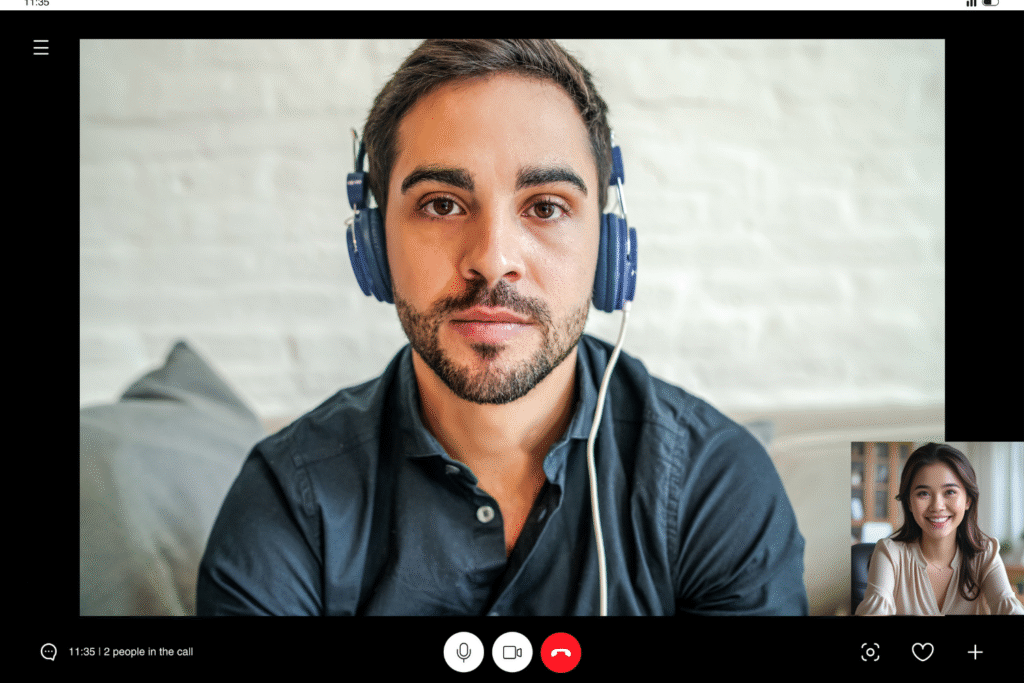
Provide multiple channels (chat, video, async)
Different people feel safe sharing in various ways. Some prefer speaking during meetings, while others may open up more through messages or written formats. Providing multiple avenues helps gather input from as many people as possible, ensuring no good ideas are lost.
Examples of effective channels:
- Chat (Slack, Microsoft Teams) – Good for casual, quick sharing.
- Video meetings (Zoom, Google Meet) – Best for in-depth discussions with real-time feedback.
- Async updates (Notion, Trello comments) – Helpful for time zone differences and reflection.
- Anonymous feedback forms – Allows shy team members to share ideas without fear.
- Shared documents (Google Docs, Confluence) – Great for gathering insights over time.

How to Lead Meetings That Make Space for Junior Voices
Meetings play a big role in safe idea sharing, but many junior team members won’t speak unless invited in the right way. Clear structure and intentional leadership make it easier for everyone to feel safe and contribute their insights.
Structure agendas to include everyone
A well-structured agenda helps ensure that all team members, not just the loudest voices, have a chance to speak. Break the meeting into clear parts: updates, open questions, and time for new ideas. Assign a few team members to lead parts of the discussion so participation is planned.
This gives junior employees the confidence to prepare and share their thoughts without fear. Structuring meetings also helps leaders gather diverse perspectives and show the importance of every person’s contribution.
Rotate facilitation in team discussions
Letting different employees take turns leading parts of the meeting builds ownership and lowers pressure. When junior team members help guide a discussion, they feel more valued and confident.
This method also helps employees overcome the fear of speaking in front of a group. It spreads leadership experience and encourages open communication across levels. Rotation makes meetings feel like a shared space, not just a manager’s platform.
Start with personal check-ins or praise
A few minutes at the beginning of a meeting to check in or highlight recent wins can set the tone for safe idea sharing. Ask how people are doing, celebrate recent improvements, or thank someone for their input on a past project.
Public recognition builds motivation, especially for junior team members who may need that extra support. People are more likely to contribute and stay engaged when they feel seen.
Encourage questions and “what if” ideas
Asking for questions and “what if” ideas helps team members share without needing a perfect answer. It shifts the focus from performance to curiosity and growth. Leaders can say things like, “Is there a point we haven’t thought of yet?” or “What’s something we haven’t tried?”
This approach invites creativity and shows that the organization values all voices, not just senior ones. It helps turn meetings into spaces where safe idea-sharing becomes a normal part of collaboration.

Tools That Support Psychological Safety Remotely
Remote work can make it harder for team members to speak up, especially if they’re new or shy. The right tools help create a safe space for idea sharing, even across time zones or screens.
Anonymous feedback or idea forms
Using anonymous forms allows employees to share insights without fear of judgment. This tool is invaluable when discussing sensitive topics or giving constructive feedback. People who might hold back in a meeting can still contribute to the conversation.
Anonymous submissions may give managers access to more honest opinions and ideas. It’s a simple way to support psychological safety and improve participation.
Visual collaboration boards (like Miro or Mural)
Digital whiteboards allow teams to brainstorm and organize ideas visually. Everyone can add their thoughts at the same time, which reduces pressure and encourages fast idea-sharing.
For junior team members, these tools make it easier to jump in without needing to speak first. Tools like Miro and Mural provide visual ways to brainstorm, which can help team members contribute in different ways.
Slack threads or suggestion channels
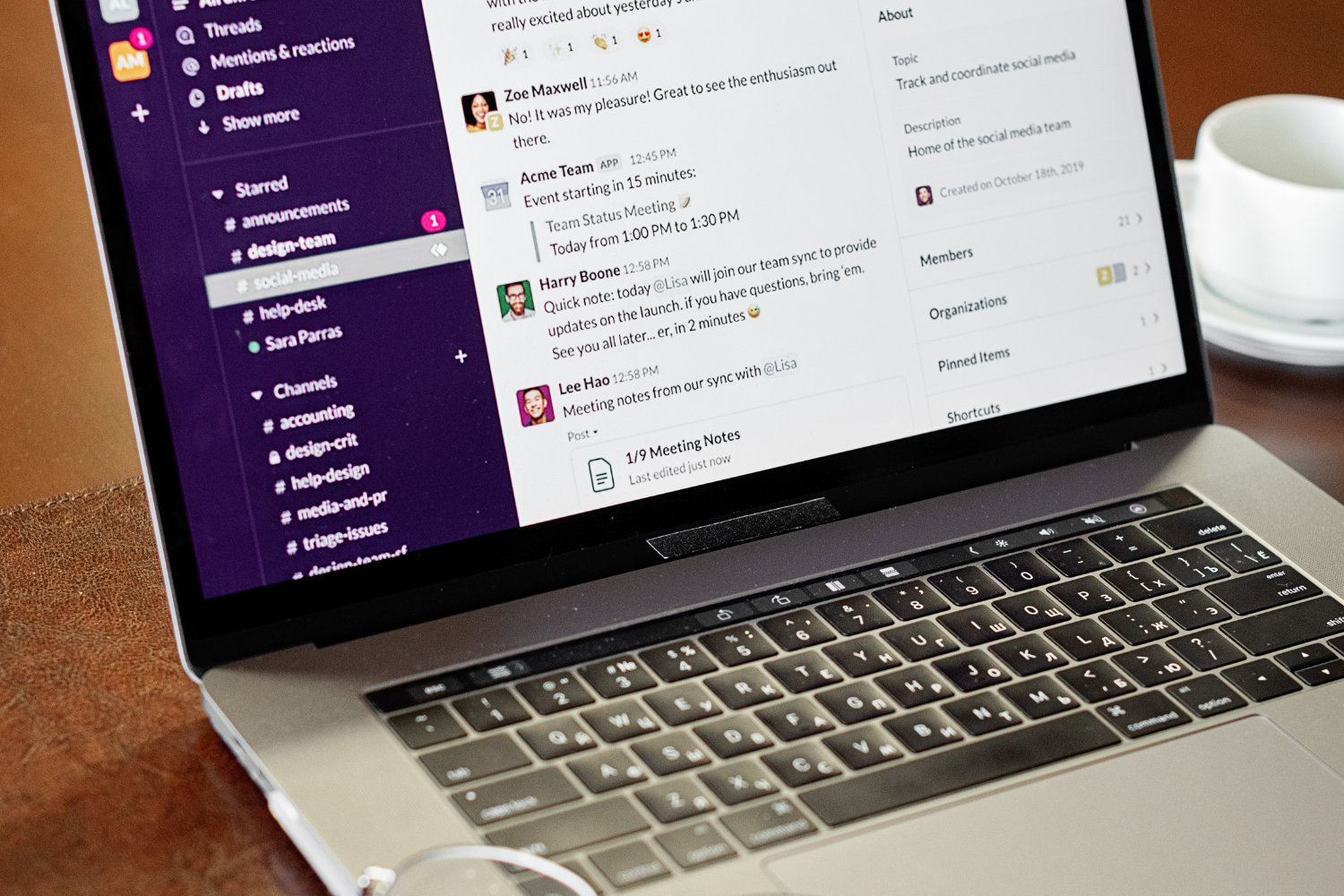
Slack suggestion channels offer a steady place for sharing ideas outside of meetings. These channels create an open communication space where team members can post thoughts, suggestions, or questions.
Slack threads keep the discussion organized and make it easy for managers to respond or highlight good ideas. The casual tone also helps people feel comfortable sharing ideas they might not bring up in formal meetings.
Async videos (via Loom) for shy contributors
Some team members communicate better through recorded video than live meetings. Tools like Loom let employees record their thoughts on their own time without the pressure of real-time discussion.
Async videos allow for clearer explanation, tone, and detail—especially useful when sharing new ideas or giving feedback. These videos help remote employees feel safe and supported, even if they’re still building confidence.
How Quality Circles Can Support Idea-Sharing
Quality circles are small group discussions focused on solving problems or improving systems. These circles help Filipino teams create a supportive environment where safe idea-sharing becomes part of the team culture.
Using group format to reduce pressure
When team members meet in smaller, familiar groups, the pressure to perform goes down. In a quality circle, people feel less judged because the focus is on teamwork and improvement—not individual performance.
Junior team members often feel more comfortable sharing when the group includes peers, not just managers. This group setup supports safe idea sharing and encourages participation from people who might stay silent in larger meetings.
Focusing on process, not personal critique
Quality circles look at systems and methods—not individual faults. People are more likely to contribute ideas when the goal is to improve how the team works rather than point fingers.
This approach helps reduce fear and makes it easier for team members to give constructive feedback. Discussing the process instead of the person keeps the conversation productive and respectful.
Celebrating team-based improvements
When a quality circle’s ideas lead to success, celebrate the group’s achievement. Team-based recognition supports motivation and shows that every role matters.
Acknowledging group wins also builds trust and encourages continuous effort. Public recognition can help reinforce the idea that sharing ideas may lead to team improvements, giving employees the confidence to keep contributing.

Small Changes Lead to Big Contributions
Safe idea sharing doesn’t require a complete shift in your organization—just consistent action, thoughtful leadership, and a clear message that every voice matters. When managers create a safe space, offer multiple avenues for input, and respect the importance of psychological safety, even quiet team members begin to contribute.
Over time, these simple efforts lead to stronger collaboration, more good ideas, and better outcomes for the company. Junior employees often have valuable insights, and with the right environment, they’ll feel safe enough to share them and support team success.
Frequently Asked Questions
Why don’t junior employees speak up in meetings?
They often fear making a mistake, being judged, or appearing disrespectful in front of more senior team members.
What does psychological safety mean in Filipino teams?
It means employees feel safe to share ideas, admit mistakes, and give feedback without fear of embarrassment or punishment.
How do I encourage new team members to share ideas?
Use respectful language, give time to prepare, and create multiple ways to contribute outside of live meetings.
What tools help create safe spaces for remote teams?
Tools like anonymous forms, Slack channels, Loom videos, and Miro boards help support idea sharing and open communication.
Can quality circles help junior employees contribute more?
Yes, they reduce pressure, focus on teamwork, and encourage participation in a supportive, structured setting.
References
- Bangko Sentral ng Pilipinas. (2022). LABOR AND EMPLOYMENT PLAN 2023-2028. https://www.bsp.gov.ph/Pages/IRG/irg-files/Panel%203/DOLE-Cebu.pdf
- Civil Service Commission. (2020). Gov’t issues occupational safety and health standards for public sector. https://www.csc.gov.ph/gov-t-issues-occupational-safety-and-health-standards-for-public-sector
- Department of Information and Communications Technology (DICT). (2019). National ICT Ecosystem Framework. https://ictstatistics.dict.gov.ph/wp-content/uploads/resources/NICTEF.pdf
- Hechanova, M. R., & Franco, E. P. (2008). Leading Philippine Organizations in a Changing World: Research and Best Practices. https://archium.ateneo.edu/psychology-faculty-pubs/214/
- Philippine Development Plan. (2017). 07Promoting Philippine Culture and Values. https://pdp.depdev.gov.ph/wp-content/uploads/2017/01/07-04-07-2017.pdf
- Reyes, G., Bolencis, J. N., & Lima, F. M. C. (2021, December). Using quality circle story: The iTEACH experience. University of the Philippines System; Department of Science and Technology. https://www.researchgate.net/publication/366877123_Using_Quality_Circle_Story_The_iTEACH_Experience