

Improvement plans in the Philippines must be designed with care to support real progress. Many businesses fail to consider how culture, values, and legal frameworks shape performance conversations. In an economy striving for inclusive growth, poverty reduction, and human capital development, as outlined in the Philippine Development Plan, thoughtful improvement plans can play a crucial role.
This article explains how to create improvement plans Philippines teams will respond to—ones that follow the labor code, respect due process, and give workers equal opportunities to participate fully, improve skills, and stay on a high growth path. Using insights aligned with the Philippine Development Plan, you’ll learn how to support job performance and deliver more quality jobs while protecting capabilities and contributing to a globally competitive economy.
Why Typical Improvement Plans Fail in the Philippines
Many companies try to use generic performance improvement plans (PIPs), but these often fall short in the Filipino work setting. Without cultural awareness, even the best intentions can lead to disengagement or resentment instead of growth.
Overlooking cultural values like “hiya” and “pakikisama”
Traditional plans rarely account for values like hiya (saving face) and pakikisama (harmony with others). These shape how Filipino professionals give and receive feedback. When plans focus too much on individual faults, team members may stay quiet or agree to avoid embarrassment instead of addressing the issue openly. Ignoring these values can damage trust and make it harder to protect capabilities or support real progress.
Using fear-based language instead of support
Improvement plans that rely on warnings, ultimatums, or strict deadlines can create fear, not performance. In a country working to accelerate poverty reduction and reinvigorate job creation, team members need regular feedback framed with care. According to HR best practices, harsh or overly strict language may discourage open communication and reduce engagement. A support-based tone makes room for real learning and equal opportunities.
Not building enough trust before delivering feedback
In the Philippines, relationships often matter as much as tasks. Jumping into performance conversations without trust can make workers feel singled out or even face unjust dismissal. Trust builds the foundation for open dialogue and lasting change. Skipping this step risks turning the pip process into a source of confusion or stress instead of progress.

What Makes a Good Improvement Plan in Filipino Work Culture
A successful plan focuses on support, not punishment. In Filipino work culture, a plan’s tone, timing, and structure all affect how it’s received and whether it works.
Support-first tone and mutual commitment
Filipino teams respond best to improvement plans framed around partnership and shared goals. Using a support-first tone signals that the company is invested in the person, not just the output.
This aligns with national goals of inclusive growth and social transformation, where people are seen as key to development. Plans should emphasize commitment from both sides, making it clear that the employee is not alone during the pip period and has full access to tools, resources, and mentorship.
Clear goals without shame or blame
Vague or emotional goals only create confusion. Filipino professionals prefer time-bound, specific targets that allow them to track their own progress. The plan should focus on actions, not personality.
Avoiding shame or blame helps protect dignity and supports better results, which aligns with the environment chapter of the Philippine Development Plan and its focus on work environments that allow people to thrive and grow.
Defined paths to success and support systems
Clear steps make improvement easier to follow and measure. Each plan should include what success looks like, how it will be tracked, and what kind of help is available. For example, offering access to a mentor or using tools like Notion or Google Docs to guide the process.
This helps team members see their development as part of a larger system—contributing to human capital development and preparing them for more quality jobs within the private sector or beyond.

The CLEAR Framework: A Culturally-Aware Model
The CLEAR model supports improvement plans that match Filipino work values. It creates space for honest feedback, shared responsibility, and continued growth without damaging relationships.
C – Connect relationally first
Start with a conversation—not a correction. Ask how they’re doing and show real care. In many Filipino workplaces, building personal connections is seen as a way to foster trust and open communication. This helps create a safe space where people can accept feedback without feeling attacked. It mirrors how civil society organizations and the government work together on programs meant to develop talent and offer increased access to quality roles.
L – Lead with observable patterns
Focus on facts, not feelings. When you raise a concern, use clear examples based on work, not assumptions. This makes it easier for people to understand the problem and feel they’re being treated fairly. Like the evaluation phase of many structured development plans, this step creates clarity and prevents confusion during plan implementation.
E – Explore context and perspective
Instead of jumping to blame, ask questions. Understand if the issue came from unclear instructions, outside pressure, or tools that didn’t work. This step follows the idea of protecting capabilities and reflects how the National Labor Relations Commission encourages two-way understanding in conflict situations. It also supports the broader goal of governance that listens to all sides.
A – Agree on action steps
Work together to create the next steps. Define clear goals and assign timelines. Make sure these are time-bound, achievable, and fair. This supports the production sectors that rely on steady performance and clear guidelines, and it helps both managers and workers stay aligned—similar to Part II and Part III of national planning models that focus on execution and collaboration.
R – Reinforce support and confidence
Close the conversation with encouragement. Remind the team members they’re not alone and that you believe they can improve. Mention past wins or strong efforts.
This helps sustain morale and ensures that improvement plans drive real progress. Reinforcing support aligns with the goals of civil society, the competitive products chapter, and efforts to transform workplaces for a globally competitive future.

What to Include in a Filipino-Friendly Improvement Plan
To work well in the Philippine setting, an improvement plan must include clear goals, a strong support system, and respectful communication. Each part should reflect both job needs and cultural values.
Specific performance areas with measurable metrics
Identify areas that need improvement and use measurable metrics to track progress. These should connect directly to the person’s role, such as accuracy in reports or response time to client emails.
While the Labor Code of the Philippines outlines due process in disciplinary actions, using clear performance standards helps employers follow those requirements effectively. Measurable metrics also align with plan implementation practices used by the government and private sector to improve work outcomes.
Success benchmarks that feel achievable
Unrealistic goals can hurt morale. Benchmarks should reflect growth, not perfection. For example, gradually raise a customer satisfaction score instead of expecting a sudden jump. This approach helps protect dignity while still pushing for progress. It supports equal opportunities and mirrors national efforts to accelerate poverty reduction by giving workers the tools to improve step by step.
Weekly or biweekly check-in schedule
Consistent check-ins build momentum and reduce stress. A weekly or biweekly check-in allows space to review updates, give feedback, and adjust the plan if needed.
This rhythm creates stability and helps team members stay focused during the pip period. Frequent check-ins mirror how programs in the introduction chapter and evaluation chapter of national plans track growth and outcomes.
Resources and mentoring to support improvement
Filipino employees often respond more positively to improvement efforts when paired with tools and mentorship. Offer access to tools, templates, or training videos. Pairing someone with a mentor or senior teammate can also help. This supports human capital development and follows strategies used in the environment chapter of the Philippine Development Plan to expand skill-building and increased access to learning.
Encouraging language that maintains dignity
Use language that invites collaboration, not shame. Instead of focusing on failure, speak about opportunities to grow. Words like “Let’s work on this together” or “Here’s one way we can improve” preserve respect and help workers participate fully in the process. This reflects labor best practices in avoiding unjust dismissal, as encouraged by labor advocates and organizations focused on ethical employment.
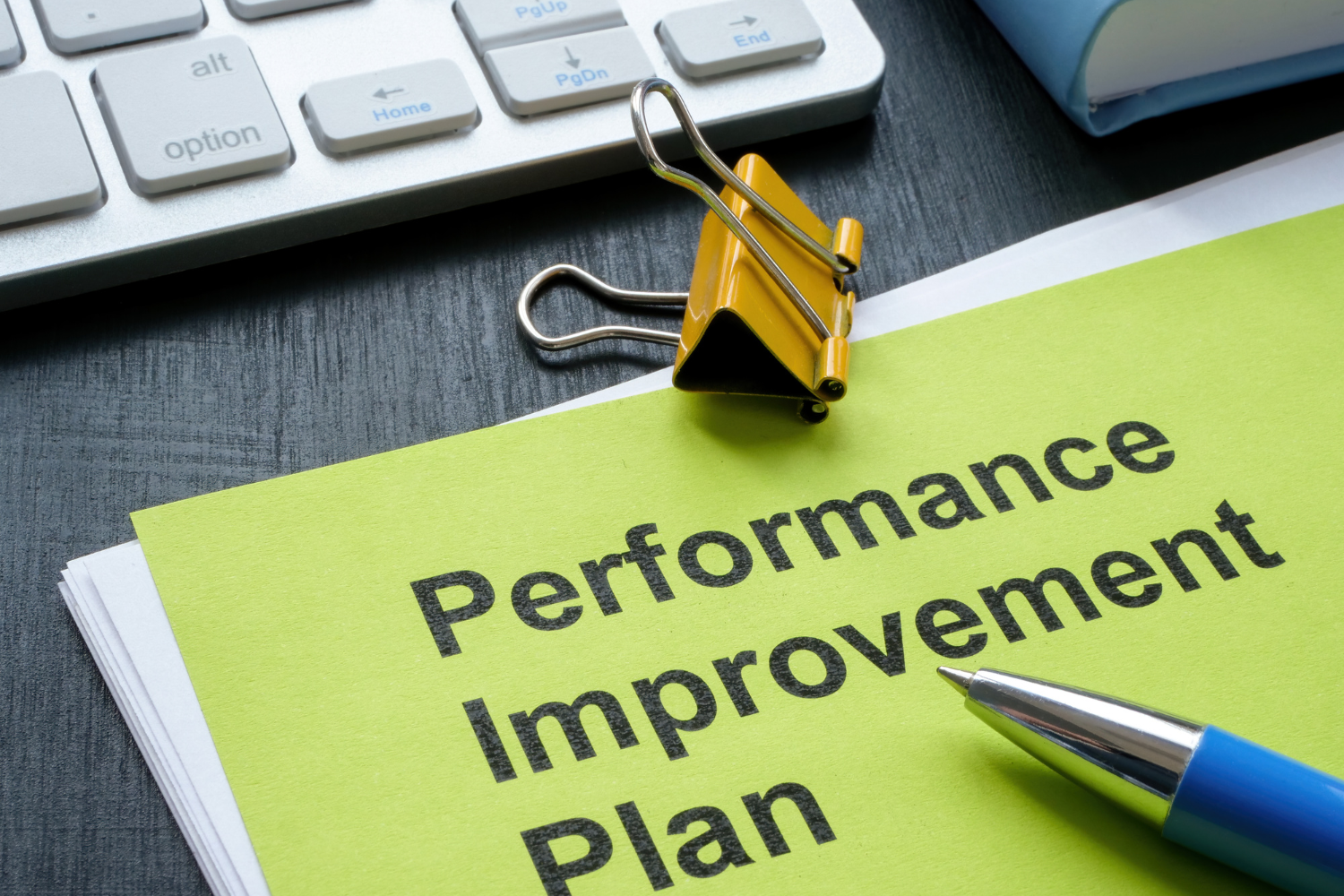
When to Use a Formal Performance Improvement Plan (PIP)
Sometimes, coaching and informal feedback aren’t enough. A structured PIP can help with repeat issues or deeper performance gaps.
Early signs that informal coaching isn’t enough
If issues continue after coaching and feedback, some teams may consider using a formal improvement plan to clarify expectations. These issues may affect team output or client trust.
A documented PIP can help demonstrate due process, which is essential if employment decisions are later questioned under labor regulations. It also aligns with goals of governance that support transparency and fairness at work.
Making the PIP feel supportive, not disciplinary
Many Filipino professionals associate formal plans with punishment. Frame the PIP as a development tool, not a warning. Reinforce that the plan is a shared effort and not a final judgment. Connecting the plan to the company’s commitment to inclusive growth and social transformation helps shift the tone. This approach reflects how national strategies aim to protect capabilities while guiding people toward more quality jobs.
Template elements adapted for Filipino employees
A Filipino-friendly PIP template includes four parts: clear performance gaps, specific goals with time-bound targets, support resources, and a check-in schedule. The format should include respectful wording and a support plan that outlines tools and mentoring. This mirrors national strategies in economic reform efforts focusing on practical improvement and progress tracking.

Delivering the Plan Without Causing Embarrassment
How you introduce an improvement plan is just as important as what’s in it. In Filipino work culture, preserving dignity and building trust help plans succeed.
Setting the right tone for your first conversation
Start the meeting with a calm, respectful tone. Begin with small talk to show care and build connection.
Then, explain the reason for the discussion using a clear and supportive voice. This method builds rapport and mirrors how the government and civil society foster cooperation in programs that aim for inclusive progress.
Words and phrases that preserve trust
Use language that focuses on actions and next steps. Instead of saying, “You failed to meet expectations,” say, “Let’s walk through where things went off track.”
This approach protects trust and helps the person feel like a partner. It’s similar to how reforms in production sectors aim to transform outcomes without causing division.
Following up with encouragement, not pressure
Keep the conversation going after the first meeting. Use your next check-in to share progress, offer help, or thank them for their effort.
Encouragement boosts confidence and shows that growth is possible. This follow-through helps drive results, like how national efforts support job creation, competitive products, and a globally competitive workforce through ongoing investment in people.

Progress Grows in Safe Environments
In the Philippines, improvement plans work best when they combine clear goals, regular support, and cultural awareness. Instead of forcing change through pressure, firm plans offer structure, dignity, and accountability—helping teams grow in a way that supports long-term development.
This approach fits into broader national goals like poverty reduction, job creation, and building a globally competitive economy. With respectful communication, time-bound actions, and access to tools, improvement plans can empower people, strengthen production sectors, and contribute to a high growth path across industries.
Frequently Asked Questions
What is the best way to give a PIP in the Philippines?
Use a respectful tone, set clear goals, and frame the plan as supportive—not disciplinary.
How do I avoid embarrassing Filipino employees during feedback?
Give feedback privately, speak with care, and focus on actions, not personality.
What should I include in an improvement plan?
Add specific performance areas, measurable goals, support resources, and check-in timelines.
How often should I check in during a PIP?
Weekly or biweekly check-ins work best for tracking progress and offering guidance.
Can performance improve without formal warnings?
Yes, regular coaching and structured support can lead to lasting improvement.
References
- LawPhil. (1974). Presidential Decree No. 442, AS AMENDED May 1, 1974. https://lawphil.net/statutes/presdecs/pd1974/pd_442_1974.html
- L&E Global. (2024). Termination of employment contracts in Philippines. https://leglobal.law/countries/philippines/employment-law/employment-law-overview-philippines-2/07-termination-of-employment-contracts-3/
- Philippine Development Plan. (2023). Accelerate Climate Action and Strengthen Disaster Resilience. https://pdp.depdev.gov.ph/wp-content/uploads/2023/07/Chapter-15.pdf
- Philippine Development Plan. (2023). Philippine Development Plan 2023-2028. https://pdp.depdev.gov.ph/philippine-development-plan-2023-2028/
Philippine Development Plan. (2023). Philippine Development Plan 2023-2028 – NEDA. https://pdp.depdev.gov.ph/wp-content/uploads/2023/08/082023-Philippine-Development-Plan-2023-2028.pdf