

Self-assessment for Filipino remote employees is valuable to any performance review process. It helps remote workers build accountability, reflect on their contributions, and track progress over time. For Filipino virtual assistants and remote team members, self-assessment supports skills development and encourages a growth mindset without relying only on managers to direct improvements.
When organizations introduce self-reflection in a supportive way, they respect cultural values like pakikisama and hiya while helping employees evaluate their job-specific skills, figure out areas for improvement, and communicate needs clearly. This practice allows remote teams to work more independently, solve problems early, and strengthen overall performance.
Cultural Insights That Shape Self-Reflection
Understanding Filipino values helps companies introduce self-assessment in a way that supports, not pressures, remote team members. These cultural insights explain why certain methods work better than others.
Importance of Hiya and Saving Face
Hiya, or the sense of saving face, is a key part of Filipino work culture. Many Filipino remote workers avoid actions that might lead to public embarrassment or damage relationships. During performance evaluations, they may downplay achievements or avoid pointing out mistakes to protect harmony.
To support quality self-assessment, employers should avoid public comparisons or harsh feedback. Feedback and reviews that maintain dignity help Filipino employees feel respected and more willing to participate in reflection practices.
Hesitancy to Speak First or Share Problems
Many Filipino remote employees are reluctant to speak up first, especially if the topic involves performance concerns or mistakes. This can make traditional review sessions feel one-sided or uncomfortable. Employees may stay quiet in team settings to avoid appearing negative or critical.
Organizations must create a process that allows input without pressure to speak immediately. Using async forms or private formats gives workers the time and space to think before they respond, leading to better communication and more accurate self-assessments.
Strong Desire to Meet Expectations and Gain Approval
Filipino virtual assistants and other remote workers often want to meet or exceed employer expectations. They may say “yes” to tasks even when unsure because approval from leadership is highly valued. This can lead to inflated answers or hesitation to admit challenges during self-assessments.
Managers should clarify that honest feedback helps with development and that self-reflection is not tied to salary cuts or negative judgments. This allows remote teams to stay open about areas that need support without fear of disappointing the company.
Self-Assessment Must Feel Safe—Not Judgmental
For self-assessment to work, Filipino remote workers need to feel safe. A process that feels like a test or criticism can damage trust and reduce engagement. Managers should frame assessments as a way to track progress and support growth.
Instead of focusing on what went wrong, the form or discussion should explore what went well, what could be improved, and what support is needed. This lowers stress, encourages honest feedback, and supports job-specific skills development across departments.

How to Introduce Self-Assessment to Filipino Employees
To be effective, self-assessment for Filipino remote employees should be introduced in a way that builds comfort and trust. These strategies help managers guide the process without making it feel forced or stressful.
Begin with Private, Low-Pressure Formats
Start with formats that allow employees to reflect privately. Instead of asking remote team members to speak in meetings, give them a self-assessment form or checklist to complete before any performance review.
This allows time for thought and avoids the pressure of speaking on the spot. These private tools work well for Filipino remote workers who value thoughtful communication and prefer not to risk embarrassment. It also helps the company collect more honest and complete responses.
Model Self-Reflection from Leadership First
Leaders should go first when introducing self-reflection. When managers openly discuss their own areas for improvement or skills development, it shows the process is safe and normal. Sharing examples from your own role helps employees feel more comfortable discussing their performance. This is especially important in the Philippine work culture, where respect for authority is high. Modeling reflection helps remove fear and makes the process feel like a shared effort, not a top-down review.
Tie Self-Assessment to Career Growth, Not Evaluation
Filipino remote workers are more likely to participate in self-assessment when it is tied to personal growth, not just performance ratings. Instead of using the process to justify changes in pay or position, connect it to training, development, or future goals.
When reflection helps employees see a path to higher responsibilities or better job alignment, they become more engaged. Organizations that frame this avoid confusion around salary, schedule changes, or job security.
Emphasize Reflection, Not Just Metrics
Many performance management systems focus only on numbers. However, Filipino employees benefit more from a reflection process that includes achievements, feedback, and areas for improvement. The self-assessment should include space for team contributions, personal wins, and challenges—not just tracked data.
This approach respects relationship-based values while still supporting productivity and performance goals. When teams reflect on both effort and outcome, companies see better progress in quality and job satisfaction.

Best Formats for Encouraging Self-Assessment
The format of self-assessment can influence how open and useful the process becomes. Here are the most effective options for Filipino remote teams working across roles and departments.
Pre-Review Questionnaires and Checklists
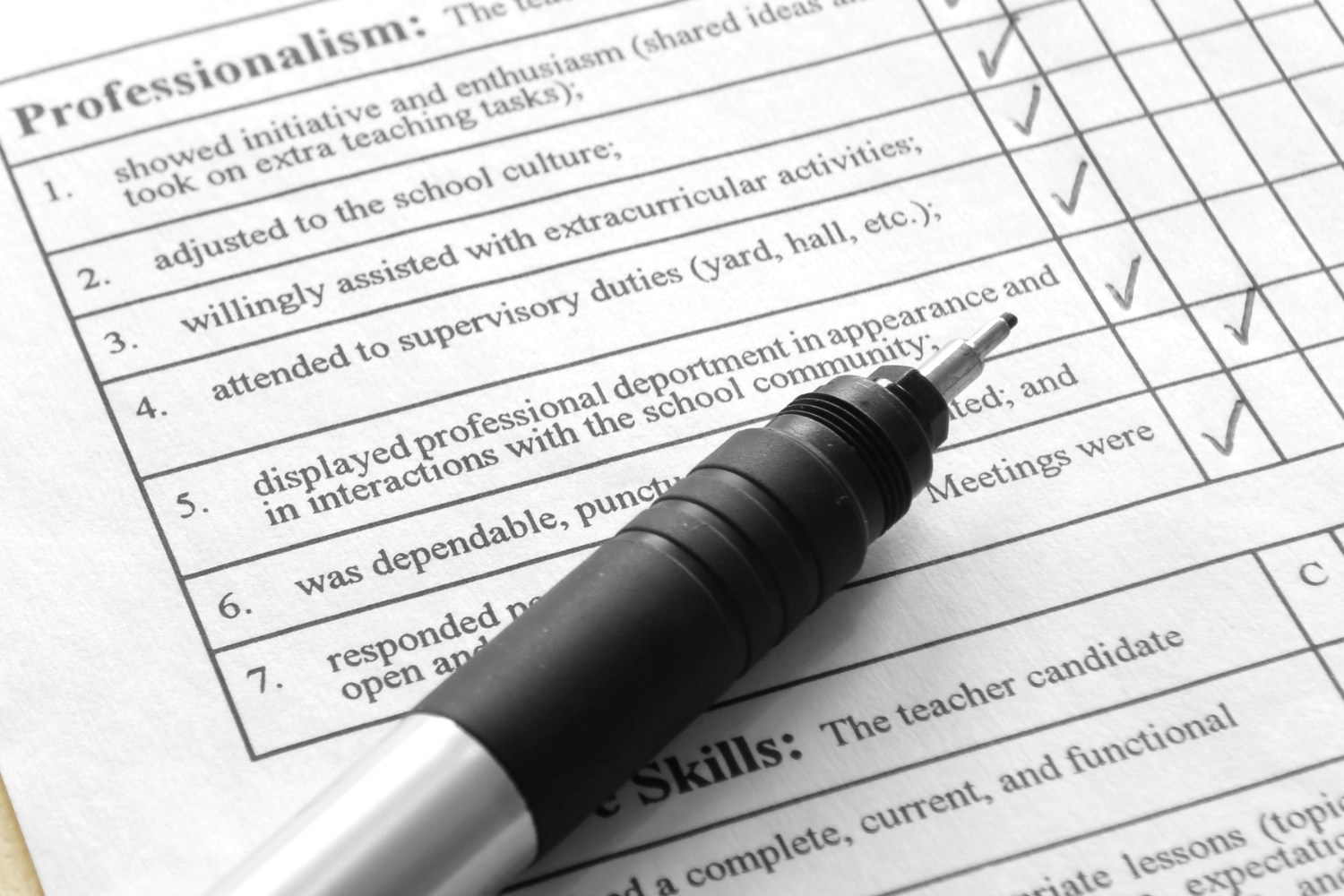
Simple forms or checklists help employees assess their own work before a performance review. These tools can cover key metrics, job-specific skills, and team contributions. Remote workers can complete them without pressure and submit them in advance.
Managers use these forms to guide the conversation, reduce bias, and show employees that their voice matters in the evaluation process. This makes reviews smoother and more collaborative across remote teams.
Reflection Prompts in 1:1 Meetings
During 1:1 check-ins, managers can use short reflection questions to encourage self-assessment. Asking questions like “What’s one thing you’re proud of this week?” or “What’s one task you’d like to improve?” helps Filipino remote workers think through their performance without fear.
These prompts work well because they feel like a conversation, not a formal review. They also give the employer insight into employee development while building trust.
Journaling or Notion-Based Reflection Logs
Encouraging remote employees to track progress through weekly journals or Notion pages gives them space to reflect regularly. These logs can include a summary of completed tasks, challenges, and personal wins. Managers can check them before reviews to spot patterns, quality issues, or improvements. Asynchronous tracking like this keeps the process smooth and consistent for teams that work remotely across different time zones.
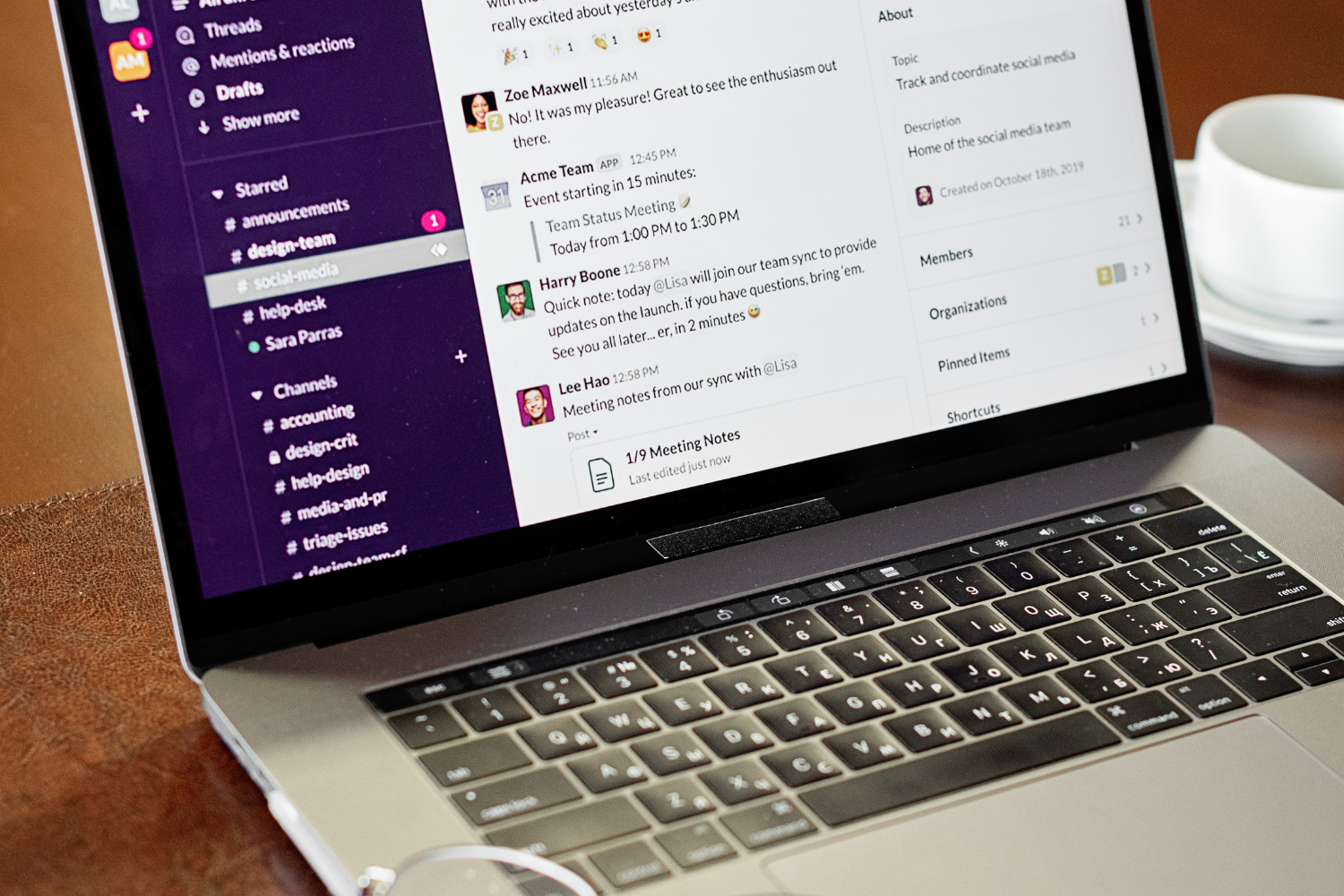
Slack Threads or Google Docs with Async Input
Some Filipino remote employees may feel more comfortable writing than speaking. Using shared Google Docs or Slack threads for reflection allows workers to give feedback and insights at their own pace.
These formats help avoid time zone issues, reduce pressure, and ensure every person has a chance to contribute. Async options also support organizations with large teams, technical roles, or staff dealing with connectivity issues or network security limitations.
Prompts and Questions That Work Well
The right questions can help Filipino remote workers open up during self-assessment. These prompts guide reflection in a way that supports performance without making the process feel negative or uncomfortable.
“What part of this task went well for you?”
This question helps employees focus on their strengths and recognize their own achievements. It encourages them to think about their contributions and the job-specific skills they used.
For Filipino virtual assistants and remote team members, this prompt makes it easier to start the self-assessment process on a positive note. It also gives managers insight into what tasks motivate each person, which helps with performance review planning and skills development.
“What would you do differently next time?”
This prompt allows employees to think about improvements without feeling blamed. Filipino remote workers often avoid direct criticism to protect relationships and save face. This question focuses on solutions and learning instead of mistakes. When used in a performance evaluation or check-in, it encourages problem-solving and supports quality improvements across remote teams. It also helps employers understand which systems or support tools may need to change.
“Was there anything that slowed you down?”
This prompt invites honest feedback about blockers, including technical issues, unclear tasks, or personal workload. Remote workers in the Philippines may hesitate to bring up problems on their own.
Asking this question directly—but without pressure—creates space for workers to discuss process gaps, internet or network security issues, or time challenges. For departments focused on tracking productivity, this feedback helps improve tools and schedules while supporting employee well-being.
“Where do you feel most confident?”
Asking this helps team members reflect on strengths and identify areas where they can take more responsibility. For Filipino remote employees, this builds confidence and supports development without adding stress.
It also helps organizations match tasks to skill sets and plan future roles or training courses. This question supports employee growth and company performance goals when used in regular self-assessments.
Mistakes to Avoid When Asking for Self-Assessment
Self-assessment for Filipino remote employees only works if the approach is thoughtful and culturally aware. These common mistakes can reduce trust, lower engagement, or hurt long-term development.
Forcing Public Sharing
Requiring employees to share self-assessments in front of a group can cause discomfort. In Philippine work culture, public speaking about mistakes or challenges may cause embarrassment or fear of judgment. This is especially true for employees early in the hiring process or their first month.
Companies should use private formats and avoid turning reflection into a group activity. Respecting personal boundaries encourages more honest answers and supports psychological safety in remote teams.
Using It to Spotlight Failure
When employers use self-assessment to highlight what went wrong, the process quickly feels like a blame game. Filipino remote workers may shut down or give vague answers if they think the review is only about errors.
Instead, organizations should focus on both progress and challenges. Linking the assessment to improvements and job development—not just problems—builds trust and supports long-term quality and performance.
Making It a One-Time Event Instead of a Habit
If self-reflection only happens once a year, it becomes harder for employees to see its value. Remote workers need consistent feedback and a clear process to assess growth. Making self-assessment part of regular check-ins, reviews, or goal-setting meetings helps create a habit.
This gives teams a better way to track contributions and figure out support needs. When reflection becomes routine, it supports performance management and ongoing business improvements.
Linking It Directly to Disciplinary Action
Employees may start to fear the process if the company only asks for self-assessments when something goes wrong. This is especially damaging in remote working setups, where trust and communication matter even more.
Filipino remote workers may feel that being asked to reflect means their job is at risk or their salary or pay schedule might be affected. Instead, organizations should present reflection as a normal part of employee development—not a step toward punishment. This approach encourages more open feedback and long-term engagement across departments.

Build Growth Through Gentle Reflection
Filipino remote employees thrive when self-assessment is handled with care and cultural understanding. When done right, it becomes a way to build ownership and encourage progress—not assign blame. Clear, respectful questions and regular reflection formats help remote team members feel supported while improving their job-specific skills.
For organizations managing remote teams across departments, self-assessment is more than a task—it’s a long-term tool that strengthens relationships, tracks development, and supports better performance over time.
Frequently Asked Questions
How do I ask Filipino staff to reflect without pressure?
Use private, low-pressure formats like written forms or 1:1 prompts focusing on growth and support.
What are good self-assessment questions for remote teams?
Ask open-ended questions such as “What went well?”, “What could improve?” and “What slowed you down?”
Should self-assessment be part of reviews or separate?
It works well as part of performance reviews but also adds value during regular check-ins or development talks.
How often should I ask for self-reflection?
Start monthly or quarterly, then adjust based on team needs and performance management goals.
Can I make self-assessment part of onboarding?
Yes, include simple reflection prompts during the first month to encourage early awareness and development.
References
- National Commission for Culture and the Arts. (2023). Filipino Values for the Common Good: A Primer. https://ncca.gov.ph/2023/07/17/filipino-values-for-the-common-good-a-primer/
- Philippine Association of Legitimate Service Contractors. (2020). Labor Advisory No. 09, Series of 2020. https://palscon.org/public/assets/img/labor-laws-advisory/PPT_LA%2009-20%20COVID19%20FWA_8%20March2020.pdf
- Respicio & Co. Law Firm. (2025). Work-from-Home Employment Compensation Rules in the Philippines. https://www.respicio.ph/commentaries/work-from-home-employment-compensation-rules-in-the-philippines