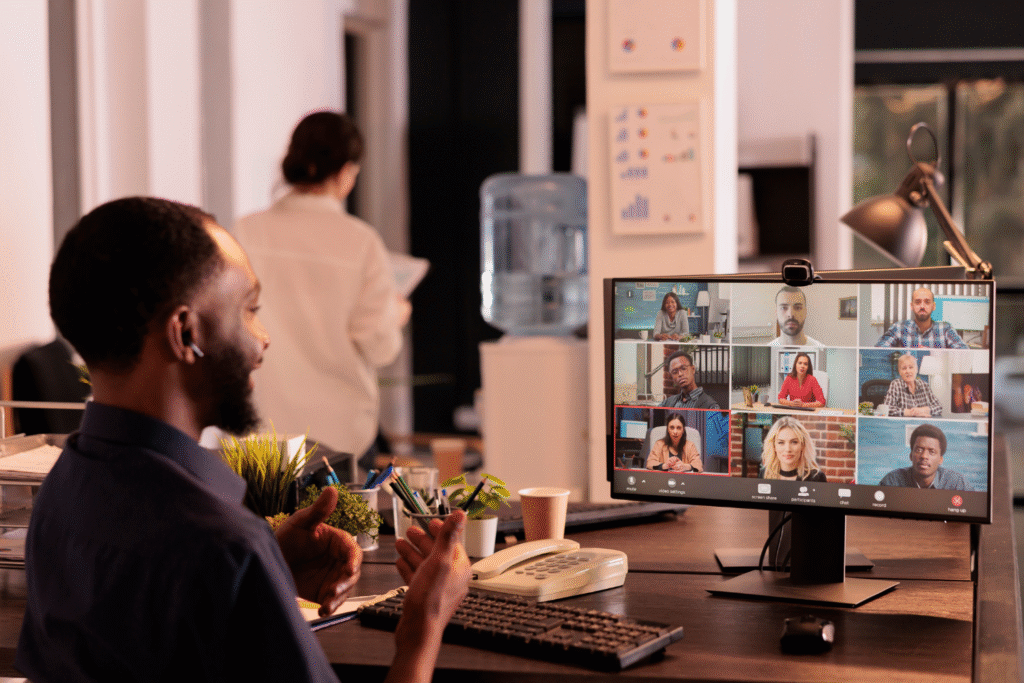

Giving culturally sensitive feedback to Filipino teams is essential to building a productive remote team and maintaining strong team dynamics. Filipino work culture values hiya (saving face) and pakikisama (group harmony), which influence how feedback is received. Many Filipino professionals prefer indirect communication and may feel uncomfortable with blunt or overly direct communication styles common in Western workplaces.
Without cultural sensitivity, feedback can damage trust, lower morale, and create communication barriers. The FILIP Model provides a culturally aware approach to support personal connection, encourage growth, and preserve motivation.
What Makes Feedback Culturally Sensitive in the Philippines?
Culturally sensitive feedback for Filipino teams must match the unique communication style and cultural dynamics of Filipino work culture. Understanding these cultural differences helps global teams avoid misunderstandings and build an inclusive environment.
Feedback should preserve dignity and relationships
In Filipino culture, protecting hiya, or personal dignity, is crucial during feedback. Direct criticism, especially in front of others, can feel like public shaming. Filipino team members often value mutual respect and emotional safety over blunt evaluations.
Culturally sensitive feedback should support psychological safety and maintain harmony in team collaboration. To avoid damaging positive relationships, feedback must be delivered to show care for the person and the outcome.
Indirect communication is preferred over confrontation
Many Filipino professionals may prefer indirect communication, especially in traditional or relational work settings. Instead of pointing out problems directly, they respond better to subtle suggestions or questions that guide improvement. This approach helps avoid confrontation, which may harm group harmony.
Using indirect feedback also shows cultural sensitivity and helps create a supportive work environment. Adapting to this communication style makes feedback feel like encouragement rather than criticism.
Trust and personal rapport come before performance critique
Filipino team members are more open to feedback from someone they trust. Without a personal connection, critiques may be taken defensively or lead to communication barriers.
Building rapport shows mutual understanding and helps team members feel that feedback comes from a place of care. Strong relationships are vital in Filipino work culture, where loyalty and team dynamics are shaped by how well people connect.
Growth is better encouraged than demanded
In many Filipino work environments, feedback that focuses on growth rather than judgment tends to be more effective. Demanding change without support can create stress and damage morale.
Encouraging growth with positive feedback and clear expectations helps build confidence. When managers use communication styles that match cultural context, they create an inclusive work environment where feedback supports career growth instead of fear of failure.

Breakdown of the FILIP Feedback Model
The FILIP feedback model was designed to match the values and communication styles of Filipino professionals. It focuses on relationship building, open communication, and respectful ways to offer constructive criticism across different cultures.
F – Form Relationship First
Start feedback conversations with relationship building. Filipino team members value personal connection and feel more at ease when they know their manager cares about them as individuals. Take time to ask about their day or family before giving feedback.
This shows cultural sensitivity and builds psychological safety. Establishing trust early makes it easier to lead effectively and support long-term team success.
L – Lead with Appreciation
Begin with positive feedback highlighting what your Filipino team member is doing well. Recognizing their effort creates a sense of job security and boosts confidence. Appreciation also helps maintain harmony in the team culture.
It sets a respectful tone and shows that the conversation is meant to support—not criticize. This step is key to fostering open communication and encouraging open dialogue.
I – Invite Self-Assessment
Ask Filipino employees how they think they performed before giving your perspective. This shows mutual respect and values their insights. Inviting self-assessment helps remove communication barriers and promotes active listening. It encourages reflection and gives team members a chance to express challenges or wins in their own words. This step supports diverse perspectives and builds ownership.
P – Present Improvement Areas Clearly
Once the team member shares their view, present any needed improvements using clear but respectful language. Stay focused on actions, not personal traits. Cultural differences make this step important for preserving trust and promoting positive relationships.
- Use neutral, growth-focused language
- Provide examples without blame
- Focus on behaviors, not personality
This approach helps reduce cultural misunderstanding and supports effective communication while setting clear expectations for the team’s success.

Sample FILIP-Based Feedback Script for Managers
Using the FILIP model helps managers provide constructive feedback while respecting Filipino communication style and cultural values. Here are three sample use cases to show how culturally sensitive feedback can be applied in everyday team situations.
Use case: content quality issue
When addressing a content quality issue with a Filipino team member, start with a personal connection and appreciation. “Hi Ana, I really enjoyed the social media post you created this week—it caught a lot of attention. How do you feel the last few blog drafts turned out?” After hearing their self-assessment, gently shift to feedback: “I noticed some formatting and tone mismatches in the last two posts. Let’s take a look together so we can align them more closely with our brand voice.” This approach maintains harmony, encourages ownership, and supports professional development without triggering discomfort.
Use case: timeline delays
If a Filipino worker misses a deadline, use the FILIP model to maintain psychological safety. “Hi Jay, I appreciate how committed you’ve been to the new project. How do you think the last task timeline worked out?” After inviting reflection, present the concern: “The report came in later than expected, which created a challenge for the next phase. What got in the way, and how can we adjust to stay on track next time?” This kind of cross-cultural communication builds mutual understanding and trust while addressing the issue.
Use case: customer communication gaps
To address communication issues with clients, start with supportive language. “Hi Carla, thanks for always showing care in your replies. I’d love to hear how you felt the last few email conversations went.” Then, present a clear example: “A few responses didn’t fully address the customer’s concerns. Let’s walk through those and discuss ways to improve clarity moving forward.” Using this script format helps preserve team culture and creates space for open dialogue without harming the team member’s confidence.

Best Tools for Delivering FILIP-Aligned Feedback Remotely
Remote feedback should match Filipino work culture and support the FILIP model’s values. These digital platforms help maintain clear expectations, build personal connections, and reduce communication barriers.
Loom – Preserves tone for async video messages
Loom allows managers to record short video messages that show tone, facial expressions, and body language. This is helpful for Filipino professionals who value relational cues and a warm, inclusive work environment. Loom can help clarify tone and intent in video messages, making it useful for teams navigating different communication styles.
Slack/Threads – For gentle, private follow-ups
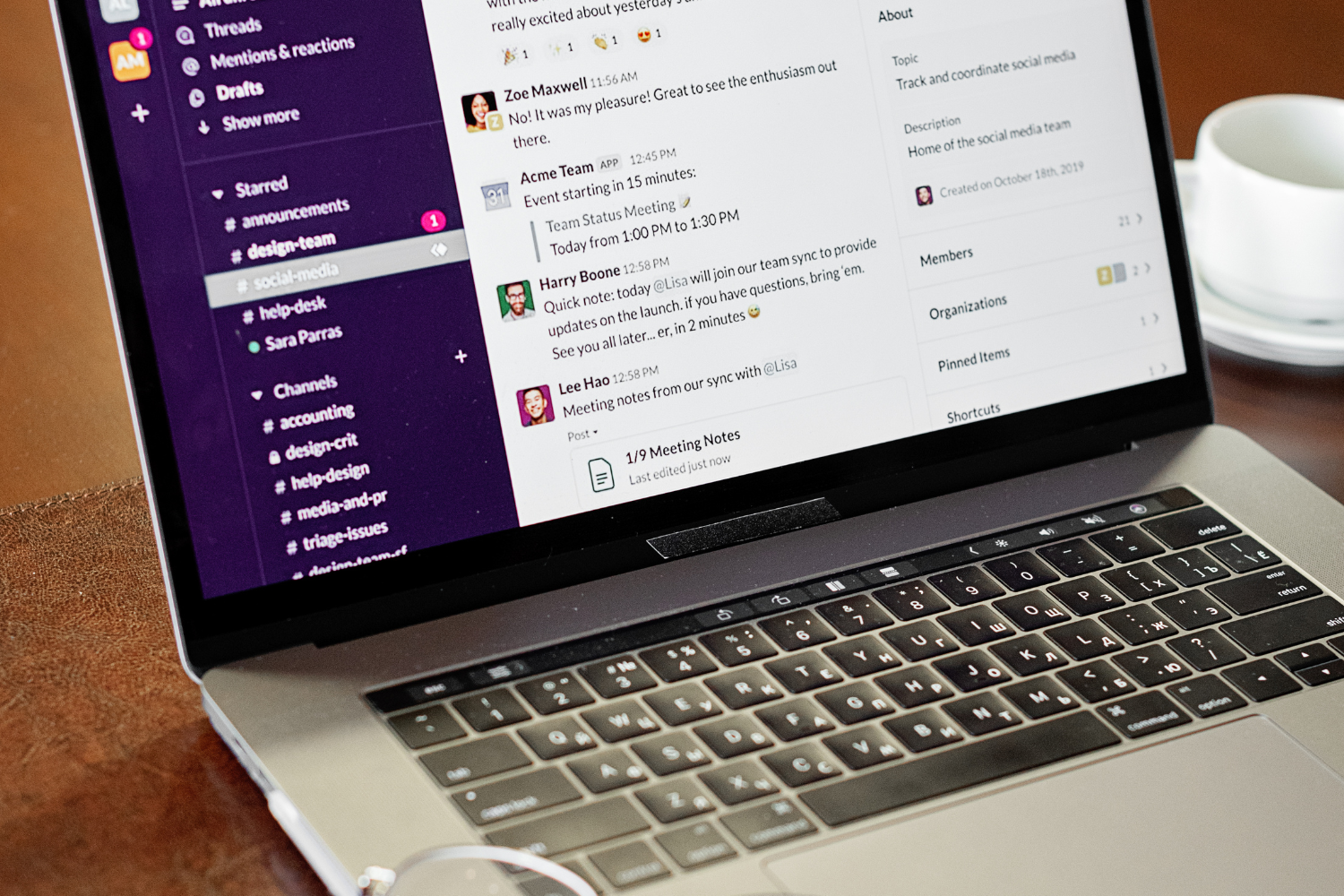
Slack and Threads offer quick, private spaces for check-ins. These tools work well for indirect communication and allow feedback to feel more casual and supportive. Filipino team members often prefer receiving feedback privately, and Slack helps maintain harmony while keeping the conversation open and respectful.
Google Docs/Notion – Collaborative improvement plans
Google Docs and Notion are useful for documenting feedback in ways that support collaboration and shared goals. These tools allow Filipino employees to receive feedback in writing, reflect, and make edits directly. Creating shared documents encourages team collaboration and helps managers lead effectively without sounding critical.
15Five or Lattice – Structured check-in tools
15Five and Lattice offer regular prompts for providing feedback, setting goals, and tracking progress. These structured tools are ideal for remote teams and support psychological safety through routine conversations. They can support ongoing development and communication, which may help ease concerns around role clarity and performance expectations.
What to Avoid When Giving Feedback to Filipino Teams
Cultural sensitivity means knowing not just what to do—but also what to avoid. Ignoring Filipino communication style or cultural nuances can create friction and reduce the impact of feedback.
Public corrections or critiques
Public corrections may lead to discomfort or disrupt group harmony in some Filipino teams due to cultural values like hiya. Even when well-meaning, public feedback can be seen as embarrassing or disrespectful. Keep critiques private to maintain an inclusive environment and show mutual respect.
Aggressive or overly direct phrasing
Filipino communication often avoids harsh language. Direct comments like “You were wrong” may feel too confrontational. Use culturally sensitive language that encourages improvement. A softer tone protects dignity and keeps communication open.
Feedback without relational context
Jumping into performance issues without a personal connection can make Filipino team members feel unsupported. Cultural differences affect how feedback is received, especially in global teams. Relationship building is key to ensuring that feedback strengthens—not weakens—trust.
Focusing only on what went wrong
Focusing only on problems may impact morale and team dynamics, especially in cultures that value balanced feedback. Filipino professionals value balance and encouragement. Include positive feedback alongside areas for growth to promote a supportive work environment and help your remote team thrive.

Feedback That Respects, Encourages, and Improves
Culturally sensitive feedback for Filipino teams builds trust, strengthens team dynamics, and improves performance without creating stress. The FILIP model offers a roadmap that matches Filipino work culture, balancing respect, growth, and effective communication.
This approach can support stronger manager-employee relationships and promote more effective team collaboration. It’s not just about giving feedback—it’s about creating an inclusive work environment that values personal connection, mutual understanding, and continuous improvement.
Frequently Asked Questions
What is the best way to give feedback to Filipino employees?
Start with appreciation, maintain dignity, and use indirect communication supported by personal rapport.
Why is cultural sensitivity important in remote feedback?
It helps avoid communication barriers, builds trust, and strengthens remote team relationships.
How does the FILIP model compare to other feedback frameworks?
The FILIP model is tailored to Filipino communication style and prioritizes relationship-based, respectful coaching.
Can I use the FILIP model with other cultures?
Yes, but it works best in cultures that value indirect communication, psychological safety, and group harmony.
What tools help implement culturally sensitive feedback remotely?
Tools like Loom, Slack, Google Docs, Notion, and Lattice support feedback delivery with transparency and care.
References
- Enriquez, V. G. (1992). From colonial to liberation psychology : the Philippine experience. Retrieved from https://archive.org/details/fromcolonialtoli0000enri
- Hechanova, M. R. M. (2012). Employee Readiness for Change Through the Lens of The Cultural Self-Representation Theory. https://archium.ateneo.edu/cgi/viewcontent.cgi?article=1043&context=psychology-faculty-pubs
- Hechanova, M. R. M., & Villaluz, V. (2017). Understanding the Filipino Worker and the Organization, 2nd Ed. https://unipress.ateneo.edu/product/understanding-filipino-worker-and-organization-2nd-ed
- L&E Global. (2024). Working conditions in the Philippines. https://leglobal.law/countries/philippines/employment-law/employment-law-overview-philippines-2/03-working-conditions-2/
- Philippine Statistics Authority. (2025). Highlights of the April 2025 Labor Force Survey. https://psa.gov.ph/statistics/labor-force-survey
- Presidential Communications Office – PCO. (2023). PH considered as one of the world’s top remote work hubs. https://pco.gov.ph/news_releases/ph-one-of-the-worlds-top-remote-work-hubs/
- Psych Safety. (2023). Psychological Safety & Giving Feedback. https://psychsafety.com/giving-feedback-with-psychological-safety/