
Offshore performance management in the Philippines requires a tailored approach due to cultural differences, time zone differences, and unique communication styles. While offshoring companies often promise significant cost savings and access to a highly skilled workforce, failing to manage offshore staff properly can lead to poor employee productivity, missed deadlines, and serious setbacks in business operations.
This guide walks you through the key elements of managing Philippine offshore teams effectively—including setting clear performance metrics, using the right project management software, building trust, tracking progress, and applying culturally aware feedback mechanisms to ensure operational efficiency.

Why Filipino Work Culture Impacts Performance Systems
Managing offshore employees in the Philippines isn’t just about using the right tools—it’s about understanding the people behind the work. Cultural values profoundly shape how Filipino team members respond to performance expectations, feedback, and daily tasks.
Key cultural values you must understand
To succeed in offshore performance management in the Philippines, aligning your systems with local cultural values is important. These values influence how team members react to pressure, communicate with foreign managers, and handle mistakes or praise.
- Pakikisama (Harmony): Filipino offshore staff often value group harmony over personal recognition. Public criticism or singling someone out can disrupt this harmony and lower morale. Team-based recognition works better in these settings.
- Hiya (Saving Face): Avoiding shame is a strong cultural force. Confrontation, even when well-intended, can lead to silence or withdrawal. Offshore outsourcing companies may find private, respectful feedback often helps preserve trust and team harmony.
- Utang na Loob (Reciprocity): Many Filipino professionals show strong loyalty and go above and beyond their assigned tasks once trust is earned. Recognizing their efforts builds long-term commitment and supports professional growth.
- Respect for Authority: Clear instructions from leadership are valued. Offshore team members often prefer detailed guidance upfront and may wait for approval before taking action, especially if they’ve worked in structured business process outsourcing environments.
Regional differences to watch for
The Philippine outsourcing industry spans urban centers and provincial areas, each with different work environments and access to infrastructure. Understanding these differences helps set realistic expectations and ensures more accurate tracking of team performance.
| Region | Infrastructure | Familiarity with KPIs |
|---|---|---|
| Metro Manila | Reliable internet, fewer power issues, strong tech access | High awareness due to presence of major BPO companies |
| Provincial Areas | Slower internet, more power interruptions, limited tech tools | Varies widely; may need onboarding for performance metrics |

How to Build KPIs That Work for Filipino Remote Workers
Creating the right KPIs for your offshore team means balancing clear goals with local work habits. Offshore outsourcing companies that succeed in the Philippines use metrics that support team collaboration, quality, and trust.
Start with role-specific success factors
Each role needs performance metrics that match its core responsibilities. When working with outsourcing services in the Philippines, these role-based KPIs guide both the service provider and the offshore staff toward better results.
- Virtual Assistants (VAs): High task completion rate, fast response to messages, strong calendar accuracy, and low data entry errors.
- Customer Support Reps: Quick response to customer inquiries, high satisfaction ratings, low escalation rates, and empathy in tone.
- Content Writers/Social Media Managers: On-time delivery, audience engagement rates, content quality scores, and creativity in trend adaptation.
- Web Developers: On-schedule project delivery, low bug counts, strong documentation, and code quality based on internal benchmarks.
- Bookkeepers/Accounting Staff: Transaction accuracy, timely financial reporting, compliance with financial standards, and reconciliation completion.
Balance team and individual goals
Western companies often use performance leaderboards to rank individual team members. In the Philippine outsourcing industry, this approach can reduce collaboration and create pressure that damages relationships. A 70/30 structure—70% individual goals and 30% team performance—helps encourage responsibility while still promoting teamwork. It respects the strong sense of group identity in most Filipino remote teams, leading to better outcomes over time.
Blend quality, speed, and improvement
Tracking only output or deadlines doesn’t show the full picture. A balanced framework that includes productivity, quality, timeliness, and innovation helps offshore outsourcing companies support growth and maintain high standards. This approach fits well with Filipino values around continuous learning and collective progress.
| Category | Sample Metrics |
|---|---|
| Productivity | Tasks completed, utilization rate, administrative tasks managed |
| Quality | Accuracy rate, error rate, quality assurance scores |
| Timeliness | On-time delivery, response speed, time to resolution for customer inquiries |
| Innovation/Improvement | Suggestions made, process improvements, skills development, collaboration tools used |

Monitoring Systems That Respect Filipino Team Dynamics
Successful offshore performance management in the Philippines relies on systems that balance structure with trust. Offshore teams thrive when tools support accountability without making employees feel constantly watched.
The 3-layer monitoring system explained
A three-layer system helps track progress while respecting the work culture of Philippine offshore employees. This model works best when 70% of focus is on results, 20% on activity, and 10% on process adherence. Offshore outsourcing companies should track completed work and client outcomes first.
Light monitoring of daily activity through project management software adds visibility without micromanaging. Process adherence checks—such as following communication rules—can be used sparingly to keep operations smooth without creating pressure.
Recommended time-tracking and reporting tools
Not all tools work well for remote teams in other countries, especially when internet stability is an issue. The tools below support offshore staff in the Philippines by offering low-bandwidth or offline access, making them ideal for daily use.
- Time Doctor – Offers time tracking and activity monitoring with limited offline support; performance may vary depending on internet stability.
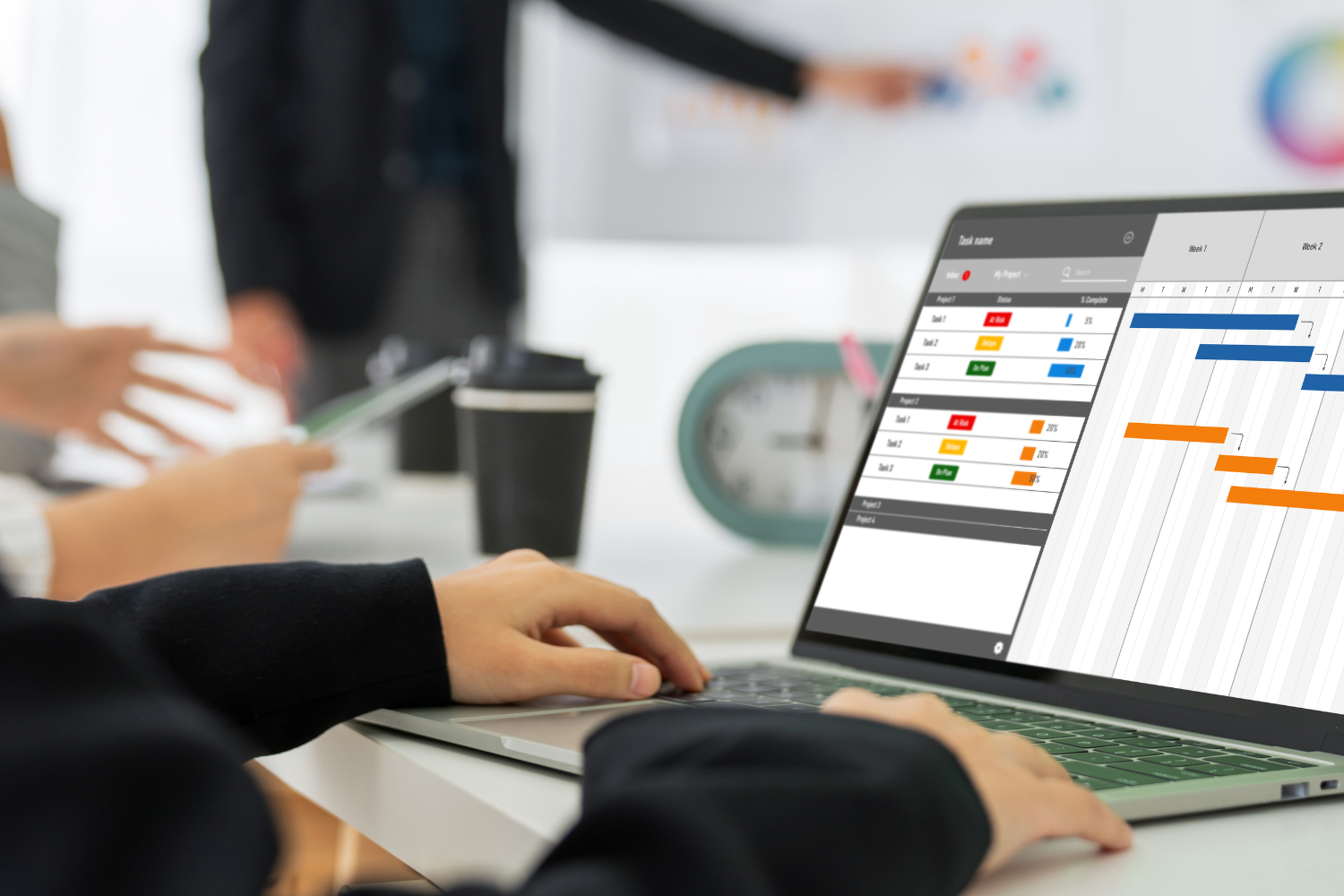
- ClickUp – Combines task management, reporting, and real-time insights for various business functions.
- Toggl – Simple interface and mobile access, great for tracking tasks in creative or flexible roles.
- Microsoft Teams – Built-in presence indicators and integration with other collaboration tools.
- Asana + Timery – Easy to use with mobile apps and good for managing administrative tasks remotely.
Infrastructure realities you must plan for
Many Filipino professionals live in areas where internet connectivity, power interruptions, or limited bandwidth can affect work. These challenges are common in provincial regions but can also impact urban teams during typhoons or outages.
Offshore outsourcing companies must plan for mobile-based backups, offline-capable apps, and cloud tools that sync once connections are restored. Providing UPS units or internet stipends may reduce the risk of work interruptions and help teams stay on schedule.
Feedback That Motivates Without Causing Shame
In offshore performance management, how you deliver feedback matters as much as what you say. Feedback systems must focus on relationships, tone, and growth for Filipino offshore employees.
Why direct criticism often backfires in Filipino culture
In some Filipino work environments, direct criticism may be perceived as overly harsh, especially if delivered publicly. Because Filipino team members come from cultural backgrounds that value harmony and saving face, poorly timed feedback can damage trust.
Offshore outsourcing companies must build feedback mechanisms around mutual respect, private conversations, and supportive phrasing. The stronger the relationship, the more open team members are to coaching and change.
How to use the FILIP feedback method
The FILIP method helps outsourcing companies give feedback in a way that matches Filipino communication styles. Start by Forming a relationship with a quick personal check-in. Then, Lead with appreciation by recognizing recent wins. Next, Invite self-assessment to hear their view of what’s working and what isn’t. Finally, Present areas for improvement with specific examples and clear expectations. This approach supports continuous learning and encourages honest conversations.
Tools for giving feedback across time zones
Using the right platforms helps teams stay connected without needing live calls every time. These tools let offshore staff receive feedback clearly and respond on their own schedule:
- Loom – Record video messages to explain feedback with tone and visuals
- Slack – Create threads for private, ongoing feedback without interrupting workflow
- 15Five – Structured performance check-ins with goal tracking and reflection prompts
- Notion – Share feedback, task updates, and improvement plans in a single workspace
- Google Docs – Leave comments directly on shared content for collaborative review

What to Do When Performance Issues Arise
Every offshore team runs into challenges. Instead of reacting quickly, outsourcing companies must identify what’s causing the problem and respond in a way that supports improvement.
Spot the root cause (not just the symptom)
Many performance issues in the Philippine BPO industry are tied to factors like unclear instructions, delayed approvals, or unstable infrastructure. It’s essential to ask the right questions and confirm what’s behind the drop in team performance.
- Communication problems – Unclear tasks, language barriers, or lack of regular check-ins
- Autonomy gaps – Offshore staff waiting for approval due to strong respect for authority
- Deadline misalignment – Time zone differences or unrealistic time estimates
- Connectivity issues – Power outages or weak internet in certain regions
Use the CLEAR improvement framework
The CLEAR method helps address offshore team issues without causing embarrassment. This structured feedback model works well for Filipino employees:
- Connect relationally – Start with positive reinforcement and relationship-building
- Lead with examples – Share real patterns or missed goals, not general comments
- Explore the context – Ask what got in the way or what support is missing
- Agree on next steps – Set action plans with clear deadlines and metrics
- Reinforce support – End with encouragement and a plan to track progress
When to implement a Performance Improvement Plan (PIP)
A formal PIP can help reset expectations and provide support if performance issues continue. In the Philippines, framing the plan as a growth opportunity, not a punishment is important. Use clear benchmarks and regular follow-ups to guide improvement.
| Section | Details |
|---|---|
| Employee Name | [Insert Name] |
| Role | [Insert Role] |
| Manager | [Insert Name] |
| Start Date | [Insert Date] |
| Review Date | [30 Days Later] |
| Focus Areas | Accuracy, customer inquiries, communication, or other business functions |
| Improvement Goals | Task completion rate >95%, customer satisfaction >4.5, response time <1 hr |
| Support Plan | Weekly check-ins, feedback via Microsoft Teams, project tracking tools |
| Timeline | Goals reviewed weekly with final decision after 30 days |
| Purpose Statement | “This plan supports your success and provides structure for improvement.” |

Long-Term: Building a Quality-Focused Offshore Culture
A strong offshore performance management system doesn’t stop at tracking metrics. To make offshoring sustainable, companies must create a work culture that values trust, shared goals, and professional growth.
How to run Quality Circles for Filipino teams
Quality Circles help offshore teams in the Philippines improve business functions while strengthening team performance. These small group sessions give offshore employees a safe space to share ideas, suggest improvements, and solve problems together.
- Use meeting templates: Follow a structured agenda—start with check-ins, review past actions, and brainstorm the next steps.
- Apply cultural tweaks: Include time for small talk, let junior team members speak freely, and avoid public criticism.
- Use recognition methods: Highlight group achievements instead of individual wins and tie praise to real outcomes like reduced customer inquiries or improved response time.
Continuous improvement through collaborative systems
Offshore outsourcing companies can drive long-term gains through simple systems that keep feedback and progress ongoing. Offshore staff are more engaged and productive when collaboration tools are paired with encouragement.
- Celebrate wins: Use team channels or meetings to recognize improvement, even small gains in productivity or quality assurance.
- Promote relationship-driven growth: Regular check-ins build a strong sense of connection and boost motivation.
- Build feedback loops: Use performance dashboards, weekly summaries, and project management software to give real-time insights without micromanaging.

Smarter Offshore Performance Management in the Philippines
Successful offshore performance management in the Philippines depends on more than tools and targets. It requires cultural alignment, clear expectations, and respectful systems. Companies that work with Philippine outsourcing industry teams must balance structure with empathy—tracking performance without damaging trust.
Focus on building systems that match cultural values, use role-based performance metrics, apply monitoring fairly, and give feedback that motivates, not shames. This approach can support stronger teams and more consistent business performance, especially when aligned with legal compliance and HR policies.
Frequently Asked Questions
What are the best tools for performance tracking in the Philippines?
Time Doctor, ClickUp, Toggl, and Microsoft Teams work well with local infrastructure.
How do I give feedback without offending my Filipino team?
Use private messages, lead with appreciation, and invite self-assessment before sharing suggestions.
What metrics should I avoid using with Filipino remote staff?
Avoid competitive rankings or public scoreboards that may harm group harmony.
Can I monitor Filipino teams without screen tracking?
Yes, track progress using deliverables, project tools, and regular check-ins instead of constant surveillance.
How do I handle underperformance in a culturally sensitive way?
Use the CLEAR method: connect first, give examples, explore causes, agree on actions, and offer support.
References
- Bangko Sentral ng Pilipinas. (2023). LABOR AND EMPLOYMENT PLAN 2023-2028. https://www.bsp.gov.ph/Pages/IRG/irg-files/Panel%203/DOLE-Cebu.pdf
- Department of Information and Communications Technology. (n.d.). National Broadband Plan. https://dict.gov.ph/national-broadband-plan
- HIMAP. (2024). IT-BPM LEAP. https://himap.ph/wp-content/uploads/2024/02/The-Big-PH-IT-BPM-Leap-HIMAP-Roadmap-2028.pdf
- Morillo, H. M., Capuno, J. J., & Mendoza, A. M. Jr. (2013). Views and Values on Family among Filipinos: An Empirical Exploration. http://dx.doi.org/10.1163/15685314-12341278
- Philippine Statistics Authority. (2023). Annual Survey of Philippine Business and Industry (ASPBI). https://psa.gov.ph/statistics/survey/business-and-industry/index