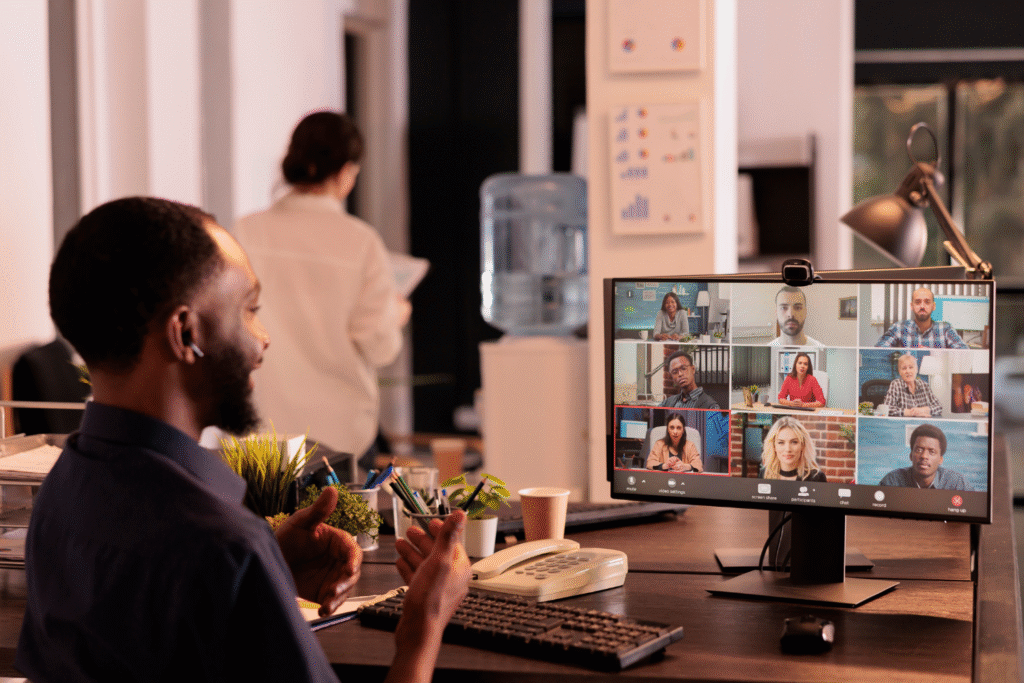

Filipino team engagement depends on more than tasks and deadlines—it’s shaped by interpersonal relationships, cultural nuances, and a positive work environment. In the Philippine workplace, especially in business process outsourcing and remote work setups, small team rituals grounded in mutual respect and shared values can boost morale, foster employee engagement, and improve job satisfaction.
When Filipino employees feel heard, supported, and part of something bigger, they become part of an engaged workforce that drives organizational success. This article shares key strategies to create simple but powerful rituals that motivate Filipino team members, enhance employee engagement, and build a thriving workforce rooted in Filipino work culture.
Why Engagement Looks Different in Filipino Teams
Filipino workplace culture is built around strong social bonds and shared values. Unlike in some Western cultures where independence is emphasized, Filipino teams thrive on mutual support, interpersonal relationships, and a sense of belonging.
The cultural role of “pakikisama” (group harmony)
In Filipino work culture, “pakikisama” means maintaining harmony within the group. It plays a major role in how Filipino professionals interact, collaborate, and solve problems. Team members often go out of their way to avoid conflict, support one another, and keep a smooth working relationship.
This value shapes how Filipino team members respond to feedback, contribute to team-building activities, and prioritize group success over personal recognition. Understanding Filipino workplace culture means recognizing how “pakikisama” influences decision-making, team morale, and overall well-being.
Why relationships drive loyalty more than perks
Filipino workers are more likely to stay with a company that shows respect, offers open communication, and values personal connection. While perks like bonuses or free meals are appreciated, strong relationships with leaders and teammates have a bigger impact on long-term engagement.
When Filipino employees feel valued and experience mutual respect, they are more motivated to grow, contribute ideas, and remain loyal to the company’s mission. This is one of the key factors in creating a thriving workforce in the Philippines.
How remote work can weaken team spirit—if left unchecked
Remote work offers flexible work arrangements but can also create distance between team members if the connection isn’t built intentionally. Filipino team members may feel isolated and disconnected from the group without regular team-building activities or shared rituals.
Over time, this weakens employee engagement, lowers job satisfaction, and makes maintaining a healthy workplace culture harder. Remote Filipino teams need regular check-ins, feedback loops, and communication styles that strengthen team morale.

Team Rituals That Build Real Engagement
Simple, consistent rituals can strengthen engagement and connection in Filipino teams. These habits create space for recognition, support, and shared moments that align with Filipino culture.
Weekly wins and shoutouts: Celebrating progress
Highlighting weekly wins helps boost employee engagement and reinforces the Filipino work ethic of contributing to team success. A quick “shoutout” during a team meeting or chat channel allows Filipino team members to feel seen for their efforts.
This type of recognition program makes employees feel appreciated and builds a culture where everyone notices progress. When Filipino professionals are acknowledged regularly, team morale improves, and performance often follows.

Personal check-ins before project updates
Taking time to ask how someone’s weekend went or how their family is doing helps build trust with Filipino colleagues. These small, intentional moments matter in Filipino workplace culture, where interpersonal relationships are central to engagement.
Before diving into work updates, starting with personal check-ins can make Filipino employees feel more connected and supported. This simple habit shows care and encourages honest feedback, helping build a more engaged workforce.

Monthly themed hangouts or virtual lunches
Regular team-building activities like themed virtual hangouts, trivia nights, or lunch breaks create a fun break from work and strengthen team bonds. Filipino teams appreciate casual spaces to relax, laugh, and connect beyond tasks.
These shared experiences help build a positive work environment, especially in remote setups where casual office chats don’t happen naturally. For younger generations in the Filipino workforce, these rituals are also a way to build camaraderie and boost morale.
Recognizing Filipino holidays and milestones together
Celebrating Filipino holidays, birthdays, or work anniversaries shows respect for Filipino culture and helps employees feel like they are part of the team. These simple acts can include sending a birthday message, holding a virtual celebration, or recognizing national holidays like Independence Day.
Doing this not only supports a more inclusive Filipino workplace but also creates opportunities for shared joy. It reinforces that Filipino employees are valued beyond their roles and adds to overall well-being in the workplace.

How to Design Effective Team Rituals for Remote Settings
Creating rituals that fit the Filipino workplace takes more than good intentions—it also means using tools your team already knows, keeping things simple, and making it easy to repeat.
Use tools your team already knows (e.g., Viber, Zoom)
Filipino teams are most engaged when rituals feel familiar and easy to join. Instead of introducing new apps, start with tools your Filipino team members already use. This removes barriers and makes it easier to focus on building connections. Leveraging technology that fits the Filipino work culture helps keep engagement strategies smooth and stress-free.
Common tools used by remote Filipino professionals:
- Viber – Widely used in the Philippines for both work and personal messages.
- Zoom – Great for video calls, team-building activities, and celebrations.
- Google Workspace – Useful for collaboration, shared docs, and team calendars.
- Slack – Helps organize different conversations by topic or project.
- Trello or ClickUp – Keeps everyone aligned without losing track of progress.
Keep rituals short, meaningful, and consistent
Filipino employees have packed schedules and often support their families at home, so respecting their time is essential. Rituals don’t need to be long to be meaningful. A five-minute recognition moment or a short wellness check-in can make a huge difference. Keeping things short and regular helps maintain a healthy work-life balance while boosting employee engagement.
Let team members take turns leading activities
Giving Filipino team members a chance to lead small parts of team rituals builds confidence and increases ownership. Leadership rotation supports professional development, improves communication styles, and makes everyone feel involved. This is also a great way to spot future leaders and support their career growth without disrupting workflows.
Document and share rituals so they become repeatable
When rituals are written down, training new hires and keeping your team’s engagement strong becomes easier. Simple documentation helps everyone follow the same steps and makes it easy to maintain routines—even during busy periods. Filipino teams value structure, and writing down engagement strategies shows respect for their time and effort.
Examples from Successful Remote Filipino Teams
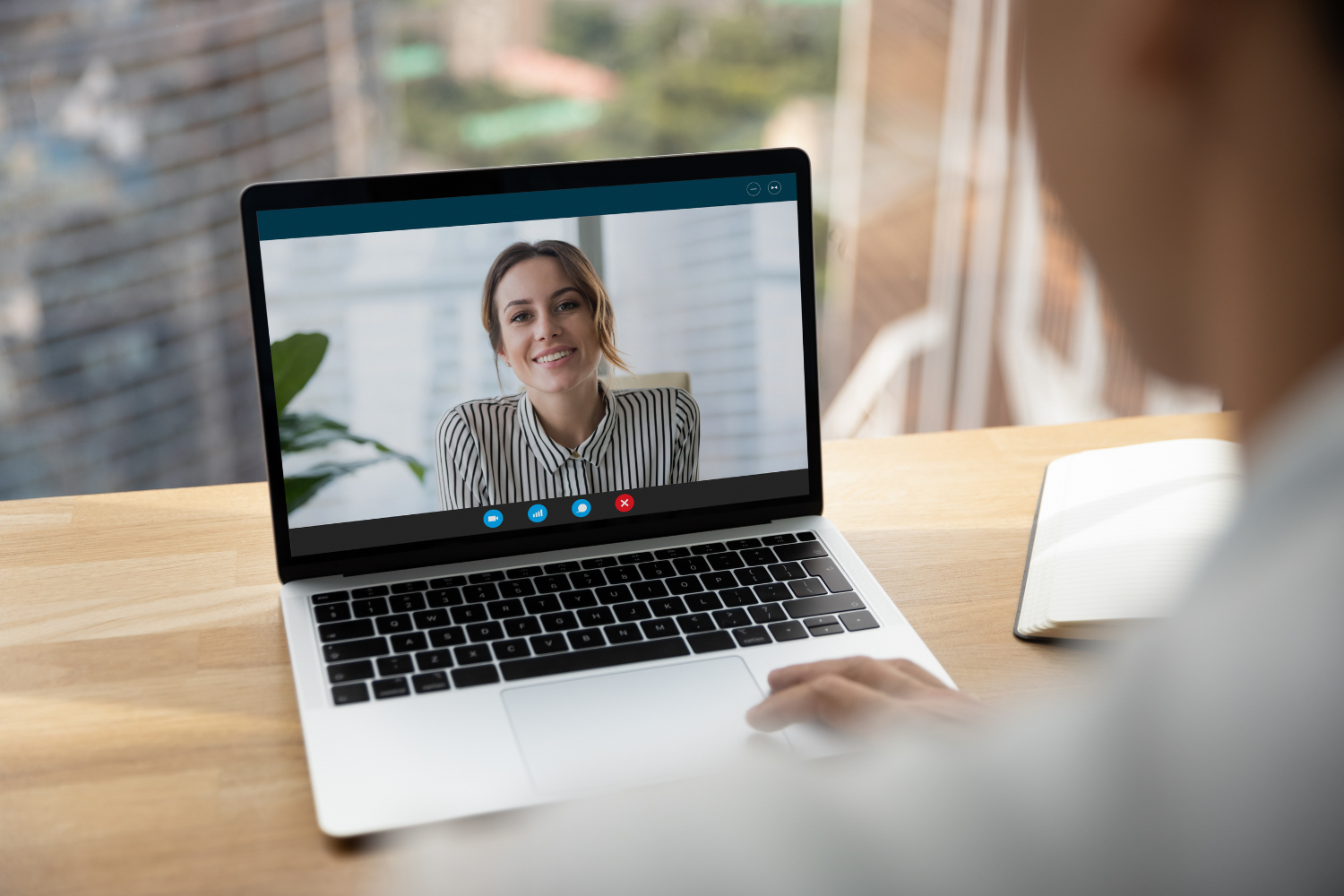
The most effective rituals come from real teams that understand Filipino workplace culture. These examples show how remote Filipino professionals build connections, celebrate wins, and support each other.
“Kumustahan Mondays” for personal updates
Every Monday morning, teams set aside 10 minutes for casual updates before diving into work. Filipino workers use this time to share how their weekend went, talk about family, or share hobbies. These check-ins build mutual support and show an understanding of Filipino work culture, helping team members feel more connected even in remote settings.
Birthday surprise fund via GCash or GrabFood
Remote Filipino teams often pool a small fund to send surprise birthday meals using local services like GCash or GrabFood. These acts support work-life balance and show Filipino team members that their milestones are remembered and celebrated. It’s a simple gesture that makes employees feel valued and appreciated.

Virtual talent shows or team games
Once a quarter, some teams host online games or talent shows to break the routine and boost morale. These team-building activities help younger generations express themselves and give everyone a chance to laugh and bond. They also support mental health and keep the team’s engagement high without needing a big budget.
Friday wins the wrap-up email with visuals or quotes
Before the weekend, team leaders send out a short email highlighting wins from the week. Some include graphics, memes, or motivational quotes that fit the Filipino culture. These emails boost employee engagement, give honest feedback, and remind the team of what they’ve accomplished together.

Tips to Sustain Engagement Long-Term
Maintaining Filipino team engagement requires effort and flexibility. Rituals work best when they grow with your team’s needs and interests.
Rotate rituals to keep them fresh and inclusive
Doing the same thing every week can lead to disengagement. Rotating rituals helps include more people and keeps activities aligned with changing team dynamics. Involving different Filipino team members in the planning shows mutual respect and keeps engagement strategies relevant.
Ask the team for new ideas regularly
Solicit feedback from your Filipino workforce about which rituals they enjoy and what could be improved. Filipino professionals appreciate being heard, and asking for input helps you build personalized career development plans and improve overall well-being. This also shows open communication and builds a culture of shared ownership.
Balance fun with focus—engagement without distraction
It’s important to boost employee engagement without losing sight of your team’s goals. Align rituals with your team’s workload so they don’t interrupt flow or lower productivity. Filipino employees appreciate flexible working hours but also value structure. Keeping a balance between fun and focus helps the team stay motivated and efficient.
Strong Rituals Lead to Stronger Teams
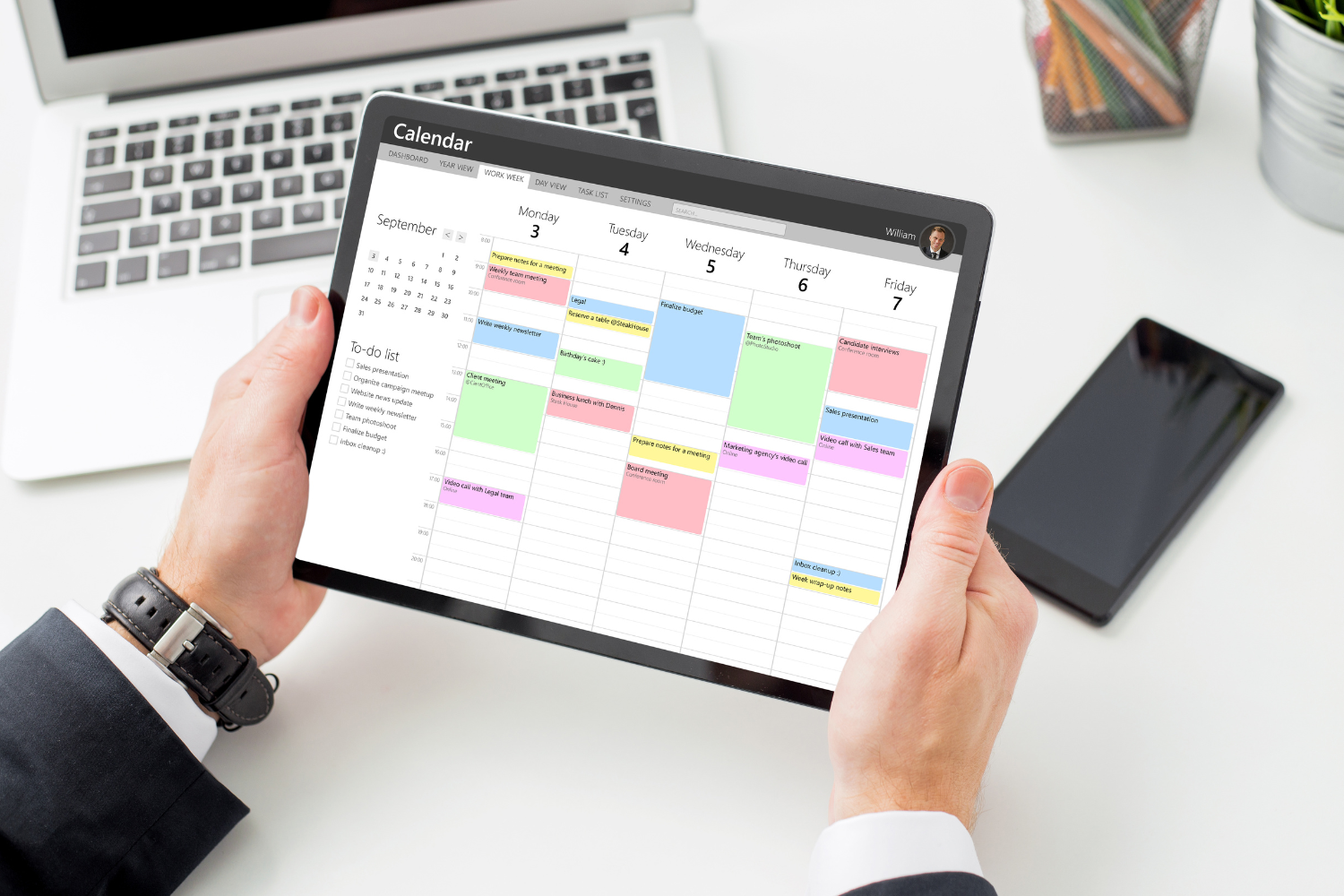
Engaging the Filipino workforce starts with simple, thoughtful actions that reflect an understanding of Filipino workplace values. Designing team rituals supporting connection, growth, and recognition helps Filipino professionals feel supported in their career advancement and day-to-day work. These habits encourage team members to stay motivated, communicate openly, and contribute to a more engaged workforce that drives long-term organizational success.
Frequently Asked Questions
What are the best engagement ideas for Filipino remote workers?
Personal check-ins, recognition shoutouts, birthday surprises, and virtual games work well.
How often should team rituals happen?
Weekly or monthly rituals are ideal to stay consistent without overwhelming the team.
Can small rituals really improve retention?
Yes, consistent rituals help Filipino employees feel valued, which supports loyalty and retention.
What tools help support remote team culture?
Tools like Viber, Zoom, Trello, and Google Workspace help streamline processes and support engagement.
How do I know if my team feels engaged?
Look for signs like open communication, proactive updates, honest feedback, and high participation in activities.
References
- Asian Development Bank. (n.d.). Education in Asia and the Pacific. https://www.adb.org/what-we-do/topics/education
- Bangko Sentral ng Pilipinas. (2022). 2022 Status of Digital Payments. https://www.bsp.gov.ph/PaymentAndSettlement/2022_Report_on_E-payments_Measurement.pdf
- Jocano, F. L. (1999). Working with Filipinos: A cross-cultural encounter. https://www.abebooks.com/9789716220094/Working-Filipinos-cross-cultural-encounter-Jocano-971622009X/plp
- Morillo, H. M., Capuno, J. J., & Mendoza, A. M., Jr. (2013). Views and values on family among Filipinos: An empirical exploration. Asian Journal of Social Science, 41(1), 5–28. http://dx.doi.org/10.1163/15685314-12341278
- Philippine Statistics Authority. (2024). 2022 Annual Survey of Philippine Business and Industry (ASPBI) – Information Technology – Business Process Management (IT-BPM) Industries: Final Results. https://psa.gov.ph/content/2022-annual-survey-philippine-business-and-industry-aspbi-information-technology-business
- Rey, W. P., Villaluz, A. C., & Rey, K. W. J. D. (2024). The impact of digital transformation in the Philippines: A study of the key drivers and barriers. In Proceedings of the 2024 7th International Conference on Computers in Management and Business (ICCMB ’24) (pp. 107–113). ACM. https://doi.org/10.1145/3647782.3647799
- Supreme Court E-Library. (2021). REPUBLIC ACT NO. 11165. https://elibrary.judiciary.gov.ph/thebookshelf/showdocs/2/86319